

Basecamp
by Basecamp
What is Basecamp?
Get Best Quote for Basecamp
Connect with SaaSrat experts to get the best quote for your business.
You're all set!
A specialist for Basecamp will reach out within 1 business day.
Basecamp Features
To do lists
Message boards
Schedules
Docs & files
Group chat
Automatic check ins
View All 31 Features
Basecamp Pricing Plans
Business
- Unlimited Users
- Unlimited Projects
Basecamp Resources
Basecamp Screenshots
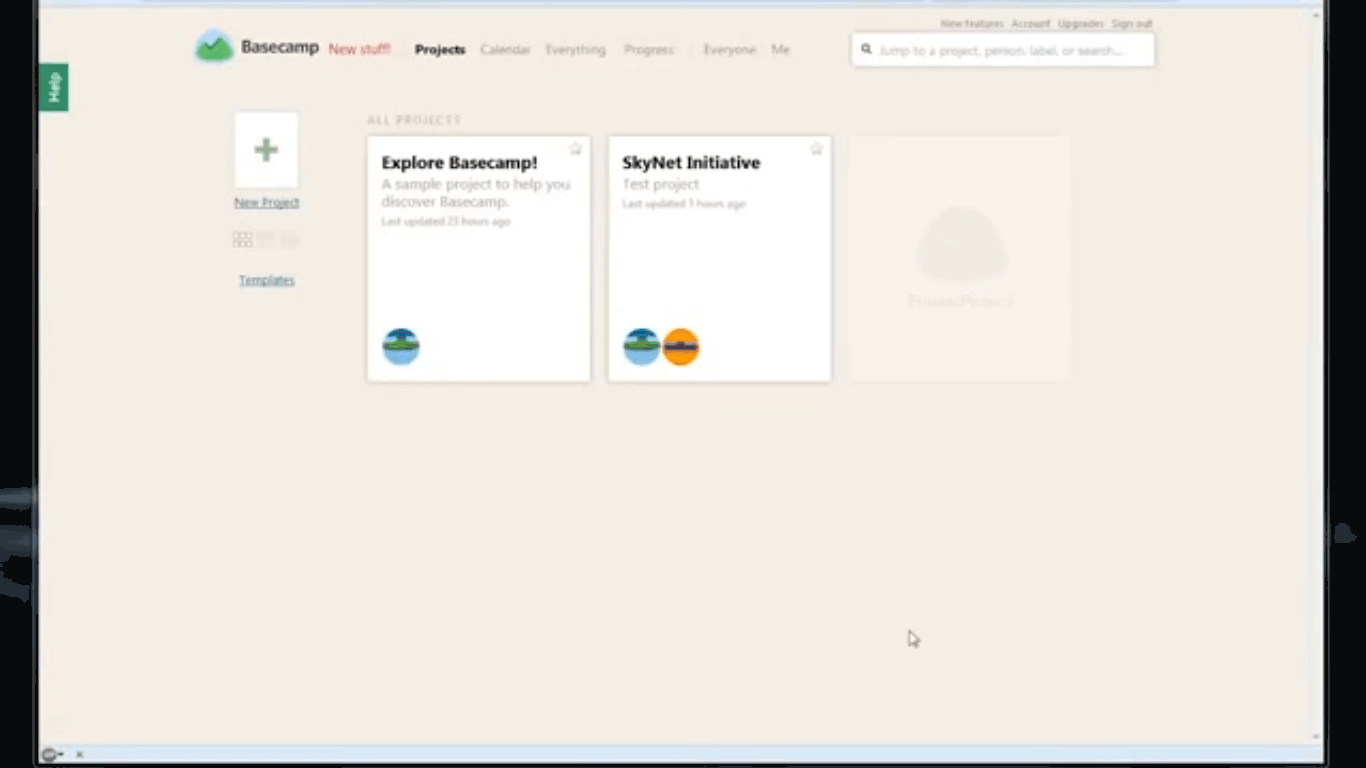
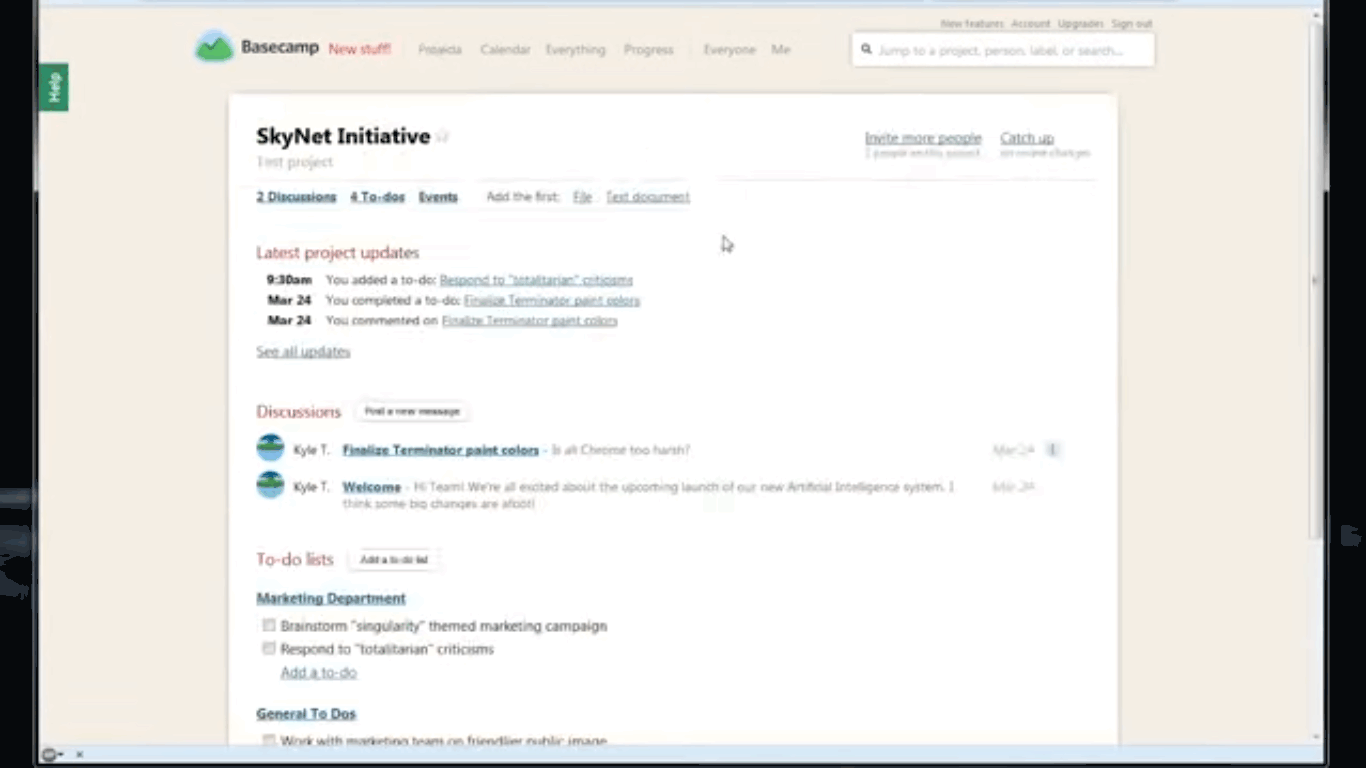
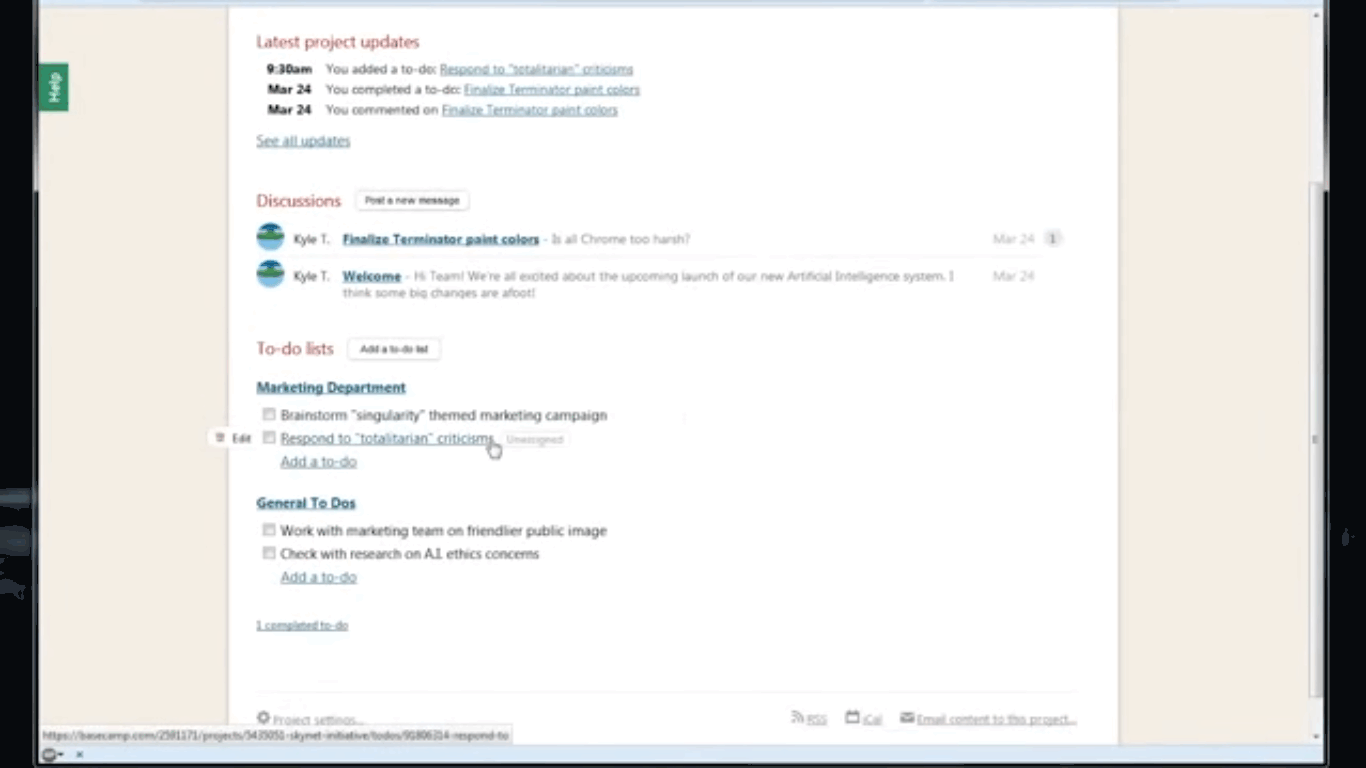
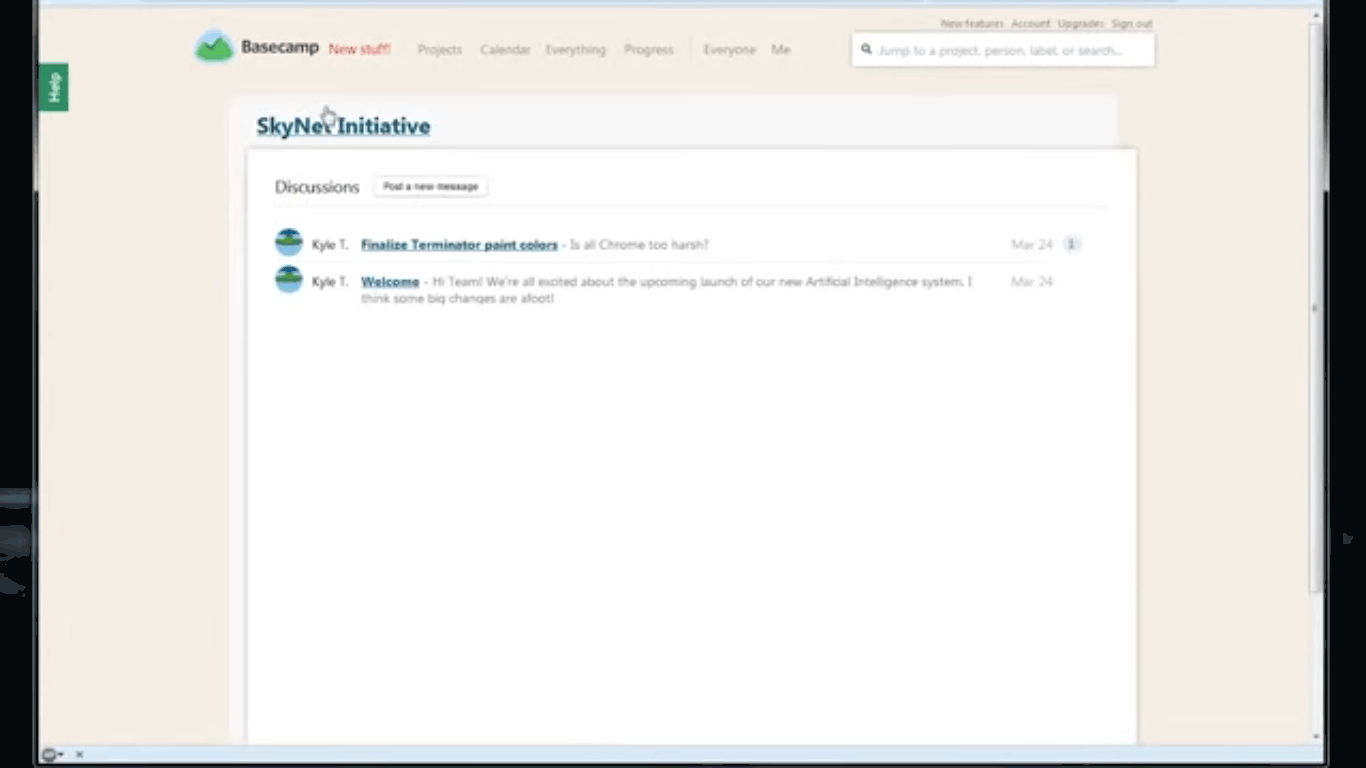
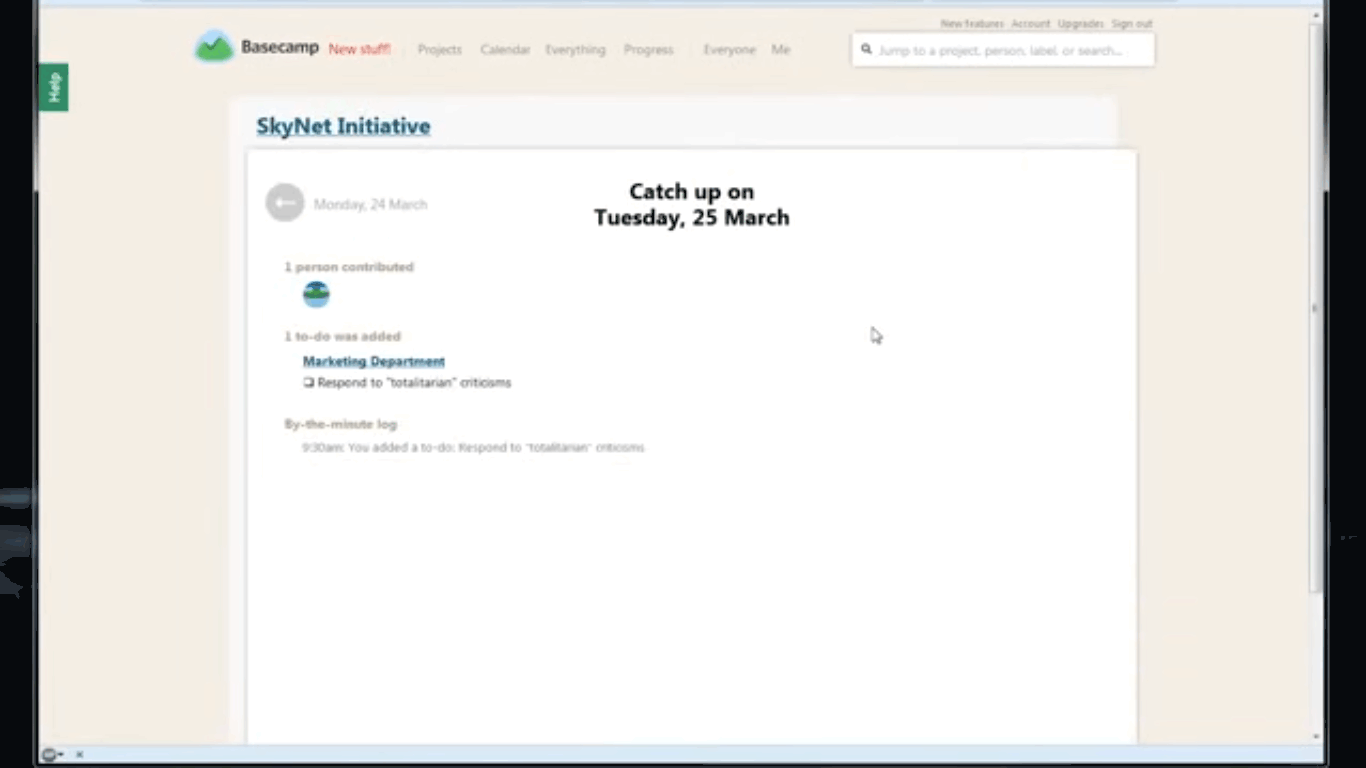
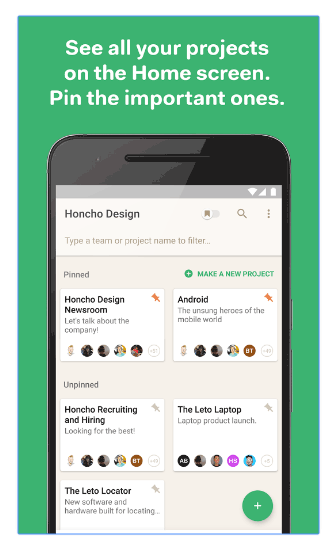
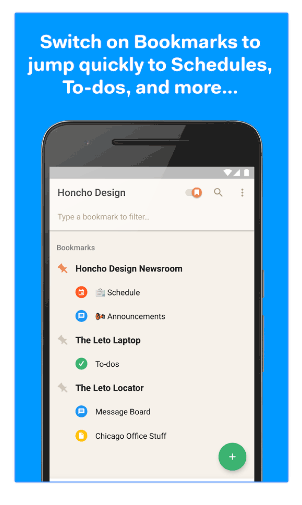
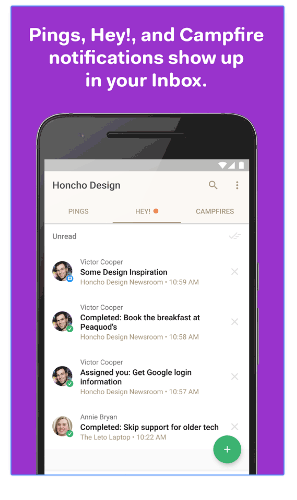
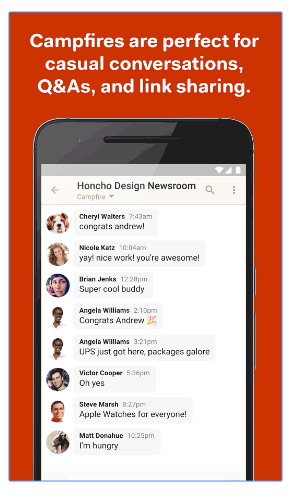
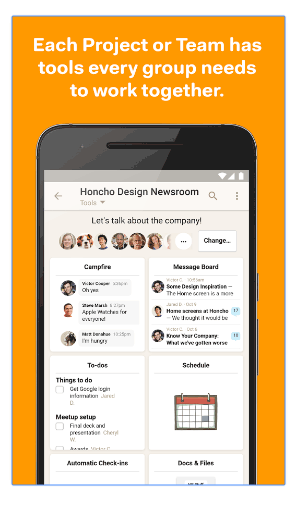
Description
Basecamp Field Guide
| Best fit for | Small businesses, agencies, consulting firms, and remote-first teams (3-100 employees) that want flat-fee project collaboration covering message boards, to-dos, schedules, docs and files, and group chat in a single platform with no per-user pricing |
|---|---|
| Industries | Marketing and design agencies, web development shops, consulting firms, freelancer collectives, small professional services, nonprofits, education, real estate teams, healthcare admin teams, small SaaS startups |
| Core capability | Project-based message boards, to-do lists with assignments and due dates, schedules with calendar view, docs and files repository, Campfire group chat per project, automatic check-ins (recurring questions to the team), Hill Charts (visual progress representation), client access mode, Card Table (light kanban), email-in for to-dos, simple time tracking via integration, mobile apps |
| Pricing | Basecamp $15/user/mo (no annual lock-in), Basecamp Pro Unlimited $349/mo flat for unlimited users and projects ($299/mo billed annually). Free 30-day trial. Verified at basecamp.com/pricing on 2026-06-04. The Pro Unlimited flat-fee is the signature pricing model that has defined Basecamp since 2019. |
| Differentiator | The opinionated calm-software alternative to feature-bloated PM platforms. Owned by 37signals (Jason Fried and David Heinemeier Hansson, creators of Ruby on Rails) - the company famously rejects venture funding and engineering for "growth at all costs" trends. Basecamp Pro Unlimited at $349/mo flat covers unlimited users; growing teams stop seeing PM software as a per-seat cost center. |
| Headquarters | Chicago, Illinois, USA. Founded 1999 by Jason Fried, Carlos Segura, and Ernest Kim as 37signals (originally a web design firm); pivoted to product company 2004 with the launch of Basecamp. Privately held - 37signals has never taken outside funding. Fully remote workforce across the US and internationally. |
| Customers | 75,000+ paying customers globally with millions of users; named customers include shopify-era teams, NASA Jet Propulsion Laboratory (specific groups), thousands of agencies and consulting firms. Basecamp prioritizes long-tenured customers - typical Basecamp account has been on the platform for 7+ years. |
| Mobile | iOS and Android native apps with offline-aware sync, push notifications, and full project access from mobile. |
Where Basecamp Wins
Flat-fee unlimited-users pricing at Pro Unlimited. $349/mo flat ($299 annual) covers unlimited users, unlimited projects, and unlimited storage. A 50-person agency pays the same as a 10-person agency. A 200-person consulting firm pays the same as a 20-person firm. Growing companies stop seeing PM software as a per-seat cost center - a structural advantage that Asana, Monday, and ClickUp cannot match.
Opinionated calm software. Basecamp ships with intentional simplicity. There are no time-tracking modules, no Gantt charts, no resource management, no portfolio rollups - and that is the entire point. 37signals' book "It Doesn't Have to Be Crazy at Work" frames the design philosophy. Teams that have been burned by enterprise PM platforms feel relief opening Basecamp for the first time.
Project-based collaboration model. Each Basecamp project gets its own message board, to-do lists, schedule, docs and files area, and group chat (Campfire). Cross-project sprawl is minimized. Client work fits especially well - agencies create one Basecamp project per client and grant client access. Clients get a clean view of their work without seeing other clients.
Automatic check-ins. Basecamp asks recurring questions ("What did you work on today?" or "Any blockers?") on a schedule and posts answers to a shared thread. Replaces standup meetings for distributed teams. Used heavily by remote-first agencies and consulting firms.
37signals long-term independence. Privately held, no venture funding, no IPO pressure, no quarterly growth-at-all-costs metrics. Jason Fried and David Heinemeier Hansson are still the founders running the company in 2026. Basecamp's roadmap is the founders' editorial roadmap, not a board-driven feature treadmill.
Client access mode. External clients get a clean read-and-write view of their projects without seeing the agency's internal projects. Critical for any agency or consulting firm that wants to use one PM platform for client work and internal work.
Where Basecamp Falls Short
Deliberately limited feature set. No time tracking, no Gantt charts, no resource management, no portfolio rollups, no advanced reporting, no formal automation rules, no enterprise SSO at the standard tier. Mid-market teams that need any of these will not find them in Basecamp. The lack of features is the design philosophy - but it does mean Basecamp is not for every team.
No native time tracking or invoicing. Agencies billing by the hour must integrate Harvest or Toggl for time tracking, then a separate invoicing tool. The integration ecosystem is functional but not as deep as Asana or Monday.
Reporting and analytics are minimal. Project-level views show what is happening on each project but there is no portfolio-level dashboard, no resource utilization view, no time-to-completion trend analysis. Operations leaders that need cross-project analytics will not find them.
Not engineer-native. Basecamp handles software project work but is not built for scrum, kanban, or code-aware integrations. Software engineering teams typically pick Jira, Linear, or Shortcut.
Integration ecosystem is smaller. Basecamp integrates with most popular tools (Slack, Zapier, Harvest, etc.) but the ecosystem is intentionally smaller than Asana 270+ integrations or Jira 3,000+ Marketplace apps. Power users that need niche integrations will hit walls.
Who Should Use Basecamp?
Basecamp is built for when a small business, agency, consulting firm, or remote-first team (3-100 employees) wants flat-fee unlimited-users project collaboration with intentional simplicity, client access mode, and 37signals' opinionated calm-software design philosophy. Within the Project Management category at SaaSRat, strongest fits are marketing and design agencies, web development shops, consulting firms, freelancer collectives, small professional services, nonprofits, education, real estate teams, healthcare admin teams, and small SaaS startups.
Basecamp is the wrong call for software engineering teams running deep scrum (evaluate Jira or Linear), for mid-market and enterprise teams needing portfolio reporting (evaluate Asana), for finance and operations teams transitioning from Excel (evaluate Smartsheet), for visual board-first workflow building (evaluate Monday), and for documentation-led teams wanting integrated wiki (evaluate Notion).
Basecamp Alternatives
Trello - kanban-first simpler alternative with free tier.
Asana - mature cross-functional work management with portfolio reporting.
Notion - all-in-one workspace alternative with wiki + docs + tasks.
Monday - visual board-first work OS.
ClickUp - all-in-one work platform at lower per-user pricing.
Teamwork - agency-focused alternative with built-in time tracking and client portals.
Hey World - 37signals' newer email + writing product (different category but same calm-software philosophy).
What G2 and Capterra Reviewers Say
G2 reviewers rate Basecamp consistently for the calm-software design and flat-fee Pro Unlimited pricing, citing client access mode and automatic check-ins as agency-specific differentiators. Capterra reviews reflect similar themes from agency and small-business customer base.
Discussions on r/basecamp and r/agency surface the deliberately-limited-features philosophy and the flat-fee pricing advantage at scale. Buyers picking Basecamp cite simplicity + Pro Unlimited pricing; buyers picking Asana cite portfolio reporting; buyers picking Notion cite documentation flexibility.
Final Take on Basecamp
Basecamp is the right call when a small business, agency, consulting firm, or remote-first team wants flat-fee unlimited-users project collaboration with intentional simplicity, client access, and 37signals' opinionated calm-software design philosophy. Marketing and design agencies, web development shops, consulting firms, freelancer collectives, small professional services, nonprofits, education, real estate teams, healthcare admin teams, and small SaaS startups get the cleanest fit. The 75,000+ customer base, flat-fee Pro Unlimited pricing, project-based collaboration model, client access mode, automatic check-ins, and 37signals' long-term independence together exceed what feature-rich PM platforms deliver for calm-software-philosophy teams.
For kanban-first simpler, Trello. For cross-functional portfolio reporting, Asana. For all-in-one workspace, Notion. For visual board-first, Monday. For all-in-one at lower price, ClickUp. For agency-focused with billing, Teamwork. Basecamp owns the flat-fee calm-software lane for small teams and agencies.
Adjacent reading: Small business buyers comparing Basecamp also evaluate task management tools for individual contributor focus, Todoist for personal task management, and Paymo for agencies needing built-in time and billing.
Implementation considerations: Basecamp is the fastest-to-deploy PM tool in this category - small teams get to production in 1-3 days. Larger teams (50-100 users) take 1-2 weeks for project structure and client-access setup. There is no admin training requirement - Basecamp is opinionated enough that there is little to configure.
Buyer evaluation tips: Start with the free 30-day trial of Pro Unlimited. For teams above 25 users, Pro Unlimited ($349/mo flat) is cheaper than per-user Basecamp ($15/user/mo) within a year - calculate the break-even. For teams under 25 users, per-user Basecamp may be more cost-effective. Accept that Basecamp lacks features other platforms have - the calm-software philosophy is the product.
Verified on 2026-06-04 by the SaaSRat Editorial Team. Vendor facts cross-checked against basecamp.com, basecamp.com/pricing, and current 2025-2026 37signals disclosures. About our methodology.
Frequently Asked Questions
How much does Basecamp cost in 2026?
Basecamp vs Asana vs Notion?
What is Basecamp Pro Unlimited?
Who owns Basecamp?
Does Basecamp have client access for agencies?
Does Basecamp have time tracking or invoicing?
Is Basecamp good for software engineering teams?
What are Basecamp automatic check-ins?
How long does a Basecamp implementation typically take?
Is Basecamp publicly traded?
Find Your Perfect Software
See how it can transform your workflow
- Personalized for your needs Tailored recommendations based on your unique requirements.
- Save time & resources Streamline your workflow and boost team productivity.
- Trusted by thousands Join 10,000+ businesses already growing with SaaSrat.
You're all set! 🎉
A specialist for will reach out within 1 business day with tailored recommendations for your needs.