

Redmine
by Redmine
What is Redmine?
Get Best Quote for Redmine
Connect with SaaSrat experts to get the best quote for your business.
You're all set!
A specialist for Redmine will reach out within 1 business day.
Redmine Features
Issue tracking
Gantt chart
Calendar
Time tracking
Custom fields
Role based access control
View All 32 Features
Redmine Pricing Plans
Open Source (GPL v2)
- No licensing fee
- Full source code access
- Run on Linux server
- Database: PostgreSQL, MySQL, SQLite
- 1,000+ community plugins
- Multilingual
- Self-managed hosting cost
- Community support via redmine.org
Commercial Managed Hosting
- Managed Redmine-as-a-Service
- Planio, Easy Redmine, RedmineUP, and other providers
- Backup and disaster recovery included
- Plugin compatibility managed
- Vendor support contracts
- SSL certificates included
- Pricing scales by user count
Redmine Screenshots
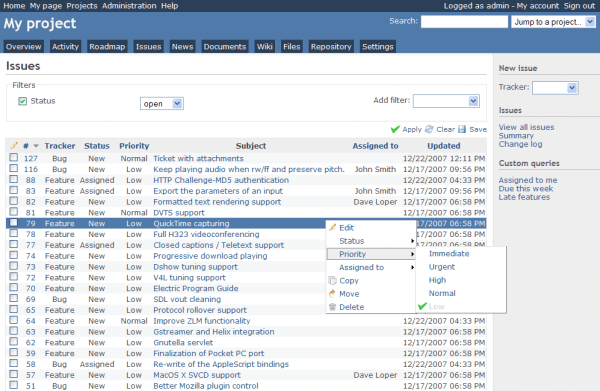
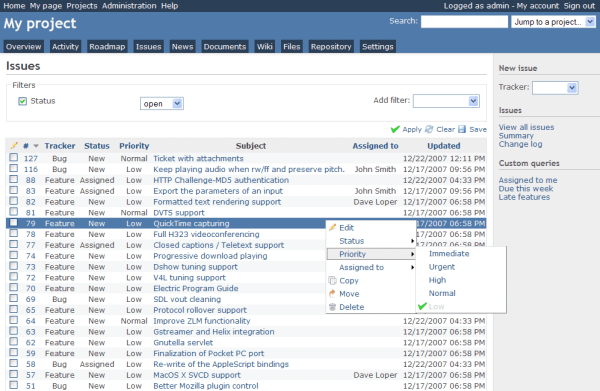
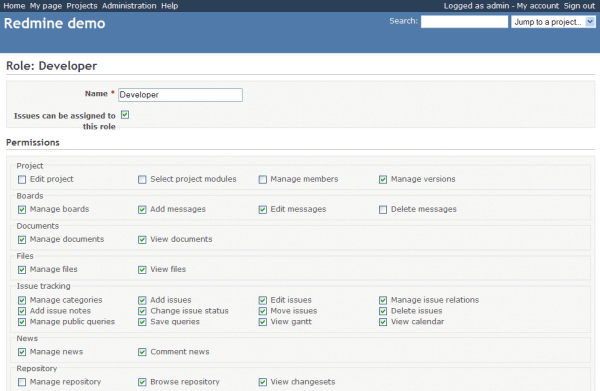
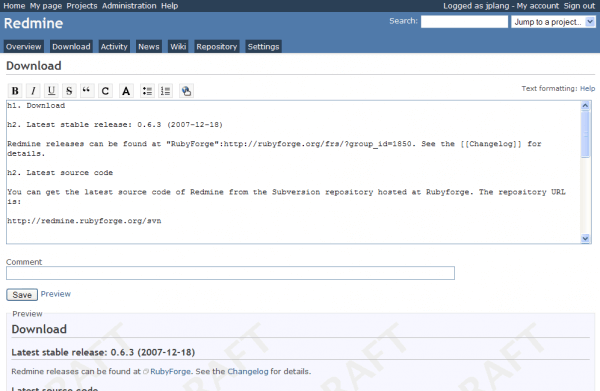
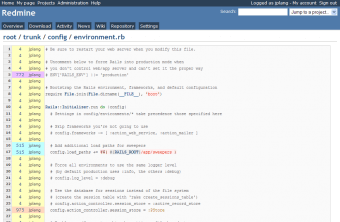
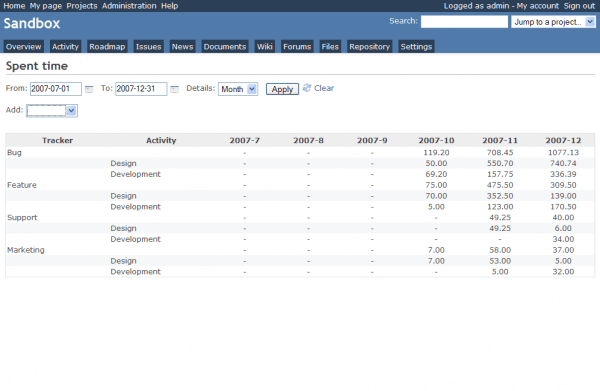
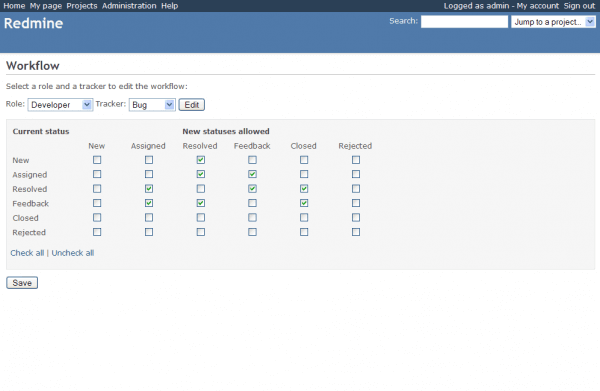
Description
Redmine Field Guide
| Best fit for | Open-source-friendly engineering teams, software development organizations, infrastructure and DevOps teams (5-1,000 people) that want a self-hosted issue tracker and project management platform with no per-user subscription cost, full data ownership, and deep customization via plugins rather than paying recurring SaaS fees to Jira or Linear |
|---|---|
| Industries | Software development organizations, open-source communities, university research groups, IT services and infrastructure teams, defense and intelligence with air-gapped requirements, public sector and government, regulated SaaS companies needing self-hosted issue tracking, educational institutions, hosting and infrastructure providers |
| Core capability | Self-hosted issue tracking with custom workflows, project management with subprojects, Gantt charts and calendars, time tracking, news and forums per project, document management, wiki per project, file management, repositories integration with Git, Subversion, Mercurial, Bazaar, CVS, role-based access control with custom roles, custom fields, multiple LDAP authentication, email-driven workflow, RSS feeds, SOAP and REST APIs, multilingual support, theming and plugin ecosystem with 1,000+ community plugins |
| Pricing | Redmine is free open-source software licensed under GNU GPL v2 with no licensing cost. Total cost of ownership covers hosting (self-hosted on Linux server or commercial managed hosting), database, optional commercial plugins, optional support contracts from hosting providers, and internal administration time. Commercial hosting providers like Planio offer Redmine-as-a-Service starting around $25 per month. Verified at redmine.org on 2026-06-06. |
| Differentiator | The longest-running open-source project management and issue tracker still in active community development. Redmine offers full source code access, no per-user subscription cost, complete data ownership, and a plugin ecosystem with 1,000+ community plugins covering specialized workflows from Agile Scrum to CRM integration. Organizations that need self-hosted issue tracking for compliance, air-gapped networks, or budget reasons get a battle-tested platform that has powered engineering teams since the mid-2000s. |
| Headquarters | Redmine is an open-source community project led by founder Jean-Philippe Lang and maintained by a global community of contributors. There is no commercial vendor headquarters. The project is hosted on redmine.org with community-led development, security patches, and feature releases. Commercial support and hosting are available from third-party providers (Planio, Easy Redmine, RedmineUP) operating across Europe and North America. |
| Customers | Used by Ruby on Rails community projects, university research groups, software development organizations, IT infrastructure teams, defense contractors with air-gapped requirements, public sector and government IT, regulated SaaS companies, educational institutions, and hosting providers. Strong adoption in budget-conscious engineering organizations and self-hosted-preferring infrastructure teams. |
| Mobile | Mobile-responsive web that runs on iOS Safari and Android Chrome for issue access, status updates, and review workflows from phone or tablet. Third-party Redmine mobile apps available in the iOS App Store and Google Play (RedminePM, Redmine Mobile, and others). No official native mobile apps from the core project. |
Where Redmine Wins
Zero per-user subscription cost. Redmine is GNU GPL v2 open-source software with no licensing fees regardless of team size. Engineering organizations running 200+ contributors that would pay $10,000+ per month for Jira Software Standard or Linear Business at equivalent scale pay only hosting costs. Total cost of ownership scales with infrastructure rather than seat count, which matters at engineering organizations with many contributors.
Full source code access and data ownership. Self-hosted on the organization's own Linux server with the organization's own database (PostgreSQL, MySQL, SQLite). No vendor lock-in, no data passing through external SaaS cloud, no risk of pricing changes or feature removals breaking workflows. Regulated industries (defense, healthcare, banking) with air-gapped network requirements get an issue tracker that meets compliance without sacrificing engineering workflow.
1,000+ community plugins covering specialized workflows. Agile Scrum, kanban boards, advanced time tracking, CRM integration, Git deployment, document management, two-factor authentication, custom dashboards, and 1,000+ more. Organizations with specialized engineering or operational workflows get plugin coverage that proprietary platforms require integration partner ecosystems to match.
Repository integration across SCM systems. Native integration with Git, Subversion, Mercurial, Bazaar, and CVS. Commit messages reference issues by ID and update status automatically. Engineering teams running multiple SCM systems across legacy and modern codebases get unified issue tracking across all repositories.
Per-project workflows and customization. Each Redmine project gets its own issue types, statuses, workflows, custom fields, trackers, and access control. Organizations running diverse projects (consumer product, internal tools, infrastructure, compliance work) get per-project flexibility rather than one-size-fits-all workflows.
Multilingual support and global community. Redmine ships with translations in 50+ languages. Global engineering organizations with multilingual contributors get native UX in their working language. The international community contributes plugins, translations, and bug fixes.
Long-tenured stability. Redmine has been in active development since the mid-2000s. The project ships consistent security patches and feature releases without venture-funded growth-stage pivots. Long-tenured stability matters for engineering organizations that prioritize platform consistency over feature churn.
Where Redmine Falls Short
Setup and operational complexity. Running Redmine requires Linux server administration, Ruby on Rails dependency management, database administration, web server configuration (Nginx or Apache), email server integration, ongoing security patching, and plugin compatibility testing across upgrades. Organizations without dedicated IT operations staff face significant administrative overhead. Commercial hosting providers (Planio, Easy Redmine, RedmineUP) remove this complexity at a cost.
UI is functional but dated. Redmine's interface reflects its mid-2000s origins. Engineering teams that grew up on Linear or Jira Cloud find the navigation and visual design utilitarian. Modern themes and third-party UI overlays exist but require additional setup and maintenance.
AI features missing from core project. Modern engineering issue trackers (Linear AI, Jira Intelligence, GitHub Copilot integration) ship aggressive AI features for triage, summarization, and automation. Redmine core has no AI features. Teams that want AI-first issue management must build custom integrations or evaluate alternatives.
Plugin ecosystem fragmented and inconsistent. 1,000+ plugins offer breadth but quality and compatibility vary widely. Each plugin needs verification against the current Redmine version. Plugin abandonment or incompatibility can break upgrade paths. Plan plugin selection carefully against long-term maintenance burden.
Total cost of ownership higher than naive estimates. The "free open source" headline ignores hosting costs (Linux server, database, backup), administrator time (often 0.25-0.5 FTE for mid-size deployments), commercial plugin licenses, and optional support contracts. Total cost can match or exceed equivalent SaaS subscriptions at smaller team sizes.
Who Should Use Redmine?
Redmine is the right call when an open-source-friendly engineering team, software development organization, or infrastructure and DevOps team (5-1,000 people) wants a self-hosted issue tracker and project management platform with no per-user subscription cost, full data ownership, and deep customization via plugins rather than paying recurring SaaS fees to Jira or Linear. Within the Project Management category at SaaSRat and the broader engineering workspace, the strongest fits are software development organizations, open-source communities, university research groups, IT services and infrastructure teams, defense and intelligence with air-gapped requirements, public sector and government, regulated SaaS companies needing self-hosted issue tracking, educational institutions, and hosting and infrastructure providers.
Redmine is the wrong call for cross-functional non-engineering PM (evaluate Asana, Monday, or ClickUp), for modern AI-first engineering issue tracking (evaluate Linear or Jira), for documentation-led knowledge work (evaluate Notion), for client services agencies needing billable hours (evaluate Teamwork), and for organizations without IT operations staff for self-hosted maintenance.
Redmine Alternatives
Jira - the de facto enterprise engineering issue tracker with deep marketplace and Atlassian ecosystem.
Linear - modern AI-first issue tracker for product engineering teams.
Shortcut - sprint planning and issue tracking for product engineering.
OpenProject - open-source PM and issue tracker with stronger commercial support.
GitLab - DevOps platform with integrated issue tracker for self-hosted Git-anchored workflows.
Easy Redmine / RedmineUP / Planio - commercial managed Redmine hosting and enhanced editions.
YouTrack (JetBrains) - issue tracker with self-hosted option and JetBrains IDE integration.
What Reddit and LinkedIn Reviewers Say
Discussions on r/sysadmin and r/selfhosted surface a recurring pattern. Engineering organizations running self-hosted infrastructure for compliance, budget, or sovereignty reasons cite Redmine as the stable open-source default. Trade-offs flagged: setup complexity, dated UI, and missing AI features. Buyers cite plugin ecosystem and zero per-user cost as the buying signals.
LinkedIn discussions among engineering directors and infrastructure leads at regulated organizations highlight Redmine's long-tenured stability as the differentiator vs venture-funded SaaS alternatives. Defense, public sector, and university engineering teams consistently name it as the option for air-gapped or sovereignty-sensitive deployments.
Final Take on Redmine
Redmine is the right call when an open-source-friendly engineering team, software development organization, or infrastructure and DevOps team wants a self-hosted issue tracker and project management platform with no per-user subscription cost, full data ownership, and deep customization via plugins. Software development organizations, open-source communities, university research groups, IT services and infrastructure teams, defense and intelligence with air-gapped requirements, public sector and government, regulated SaaS companies, educational institutions, and hosting and infrastructure providers get the natural fit. The zero per-user subscription cost, full source code access and data ownership, 1,000+ community plugins, repository integration across SCM systems, per-project workflows and customization, multilingual support, and long-tenured stability combination delivers value commercial SaaS issue trackers cannot match for self-hosted-preferring organizations.
For enterprise SaaS engineering, Jira. For modern AI-first, Linear. For sprint planning, Shortcut. For open-source with stronger commercial support, OpenProject. For DevOps-integrated self-hosted, GitLab. For commercial managed Redmine, Easy Redmine or Planio. For JetBrains-integrated, YouTrack. Redmine is the long-tenured open-source self-hosted issue tracker pick for budget-conscious and sovereignty-sensitive engineering organizations.
Adjacent reading: Redmine buyers comparing for cross-functional workflows also evaluate task management tools for individual contributor focus and Notion for documentation alongside engineering issue tracking.
Implementation considerations: Small teams (5-25 users) self-host Redmine in 1-4 weeks including Linux server setup, database configuration, Ruby on Rails deployment, plugin selection, email server integration, role-based access control design, and team training. Mid-market deployments (50-500 users) run 4-12 weeks including capacity planning, high-availability database setup, LDAP/SSO integration, plugin compatibility testing, repository integration (Git, Subversion), and partner-led implementation. Enterprise deployments (1,000+ users) routinely run 8-26 weeks including air-gapped deployment, disaster recovery, multi-region setup, and full integration ecosystem rollout. Commercial managed hosting (Planio, Easy Redmine) removes operational complexity.
Buyer evaluation tips: Calculate true total cost of ownership before committing - hosting, administrator time (0.25-0.5 FTE typical), commercial plugins, and support contracts. The "free open source" headline can mislead at smaller team sizes where SaaS subscriptions may cost less than equivalent self-hosted infrastructure plus admin overhead. For teams 50+ engineers, self-hosted Redmine pricing economics typically beat SaaS alternatives. Start with commercial managed Redmine (Planio at $25 per month and up) to validate the workflow before committing to self-hosted infrastructure. Plan plugin selection carefully against long-term upgrade compatibility.
Verified on 2026-06-06 by the SaaSRat Editorial Team. Vendor facts cross-checked against redmine.org, GitHub repository, and current 2025-2026 community disclosures. About our methodology.
Frequently Asked Questions
How much does Redmine cost in 2026?
Redmine vs Jira vs Linear vs OpenProject?
Is Redmine really free?
Can Redmine integrate with Git?
Who maintains Redmine?
How many plugins does Redmine have?
Can Redmine be self-hosted in an air-gapped network?
Does Redmine have AI features?
Does Redmine have a mobile app?
How long does a Redmine implementation typically take?
Find Your Perfect Software
See how it can transform your workflow
- Personalized for your needs Tailored recommendations based on your unique requirements.
- Save time & resources Streamline your workflow and boost team productivity.
- Trusted by thousands Join 10,000+ businesses already growing with SaaSrat.
You're all set! 🎉
A specialist for will reach out within 1 business day with tailored recommendations for your needs.