

Trigger
by NetEngine
What is Trigger?
Get Best Quote for Trigger
Connect with SaaSrat experts to get the best quote for your business.
You're all set!
A specialist for Trigger will reach out within 1 business day.
Trigger Features
Task management
Project planning
Time tracking
Resource allocation
Collaboration tools
Gantt charts
View All 32 Features
Trigger Resources
Trigger Screenshots
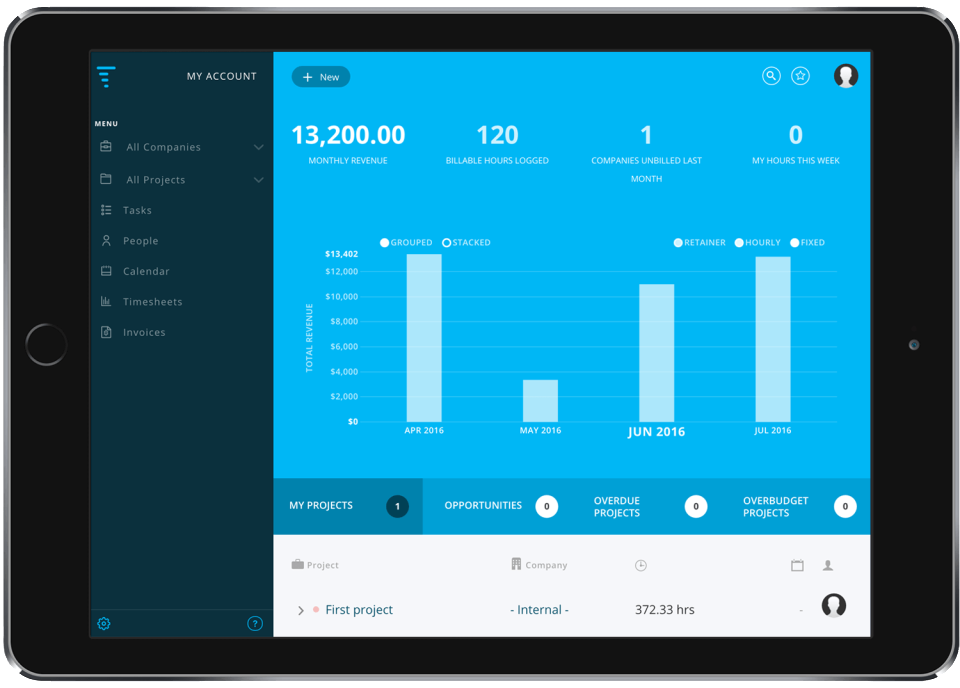
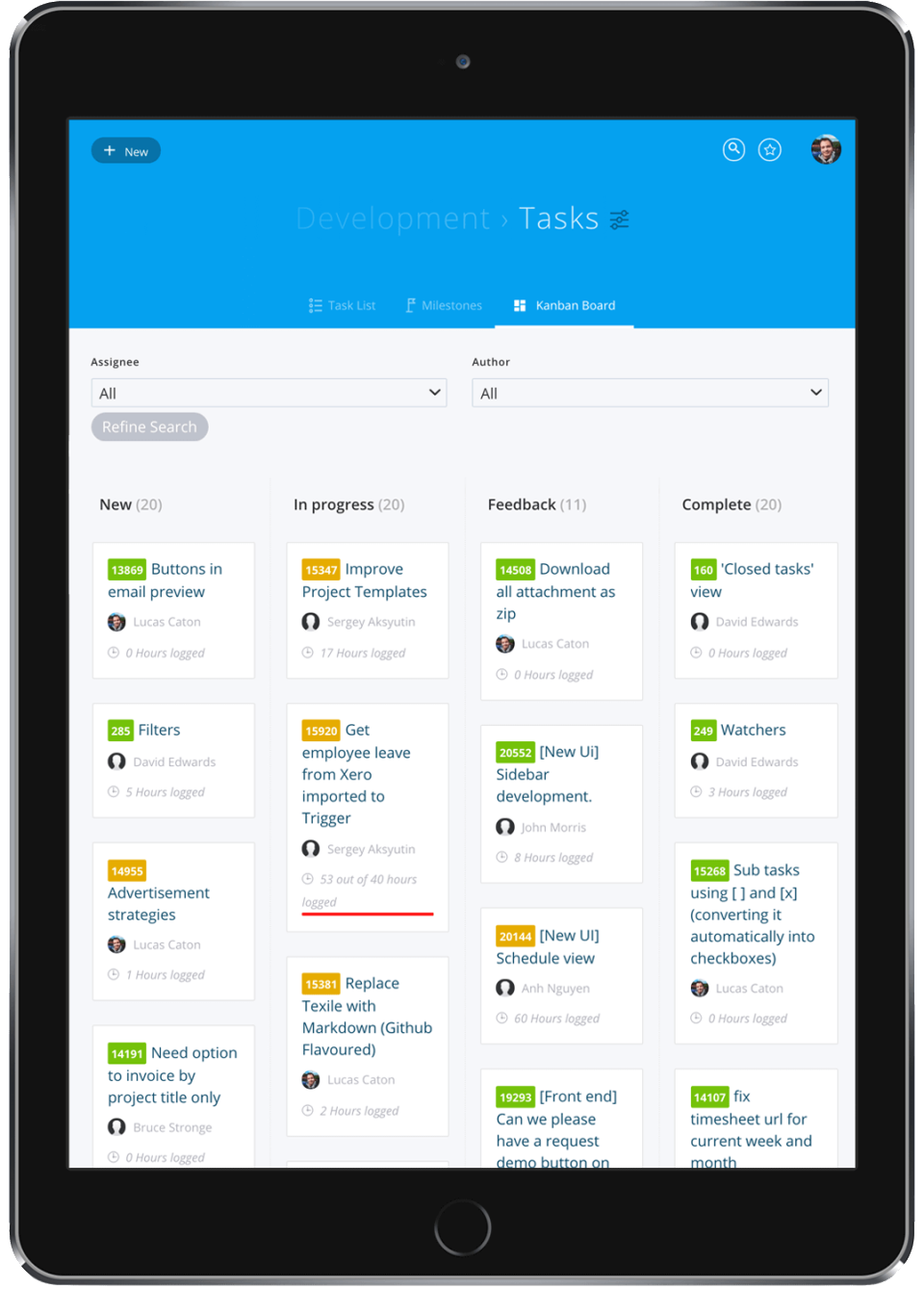
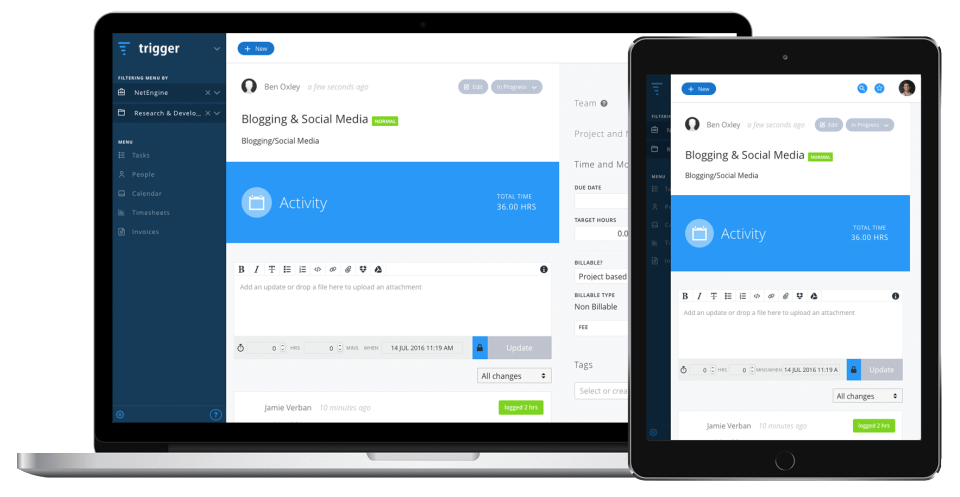
Description
Trigger.dev Field Guide
| Best fit for | Software engineering teams and AI product teams that need to build and deploy long-running background jobs, AI agents, and durable workflows in TypeScript with retries, queues, observability, and elastic scaling without owning the underlying infrastructure |
|---|---|
| Industries | AI and ML product teams, SaaS and software engineering, fintech engineering, ecommerce engineering, developer-tools companies, data engineering teams running ETL workflows, startups building AI agents and copilots, technology vendors running webhook processing at scale, enterprise engineering teams running serverless background work |
| Core capability | TypeScript-first background jobs and workflows, long-running tasks with automatic retries and dead-letter queues, durable execution that survives crashes and restarts, real-time observability with traces and logs, elastic scaling with concurrency controls, scheduled cron-style jobs, event-driven triggers from webhooks and queues, AI workflow patterns (LLM calls, tool use, multi-step reasoning), open-source self-hosted option, cloud-managed option with team collaboration, integrations with OpenAI, Anthropic, Stripe, Resend, Slack, Supabase, and major SaaS APIs |
| Pricing | Free tier with monthly run quota for personal projects and validation. Cloud paid tiers (Hobby, Pro, Enterprise) scale by monthly runs and concurrency limits with seat-based access controls. Self-hosted open-source is free to deploy on your own infrastructure with optional paid support contracts. Verified at trigger.dev/pricing on 2026-06-04 - exact tier quotas and prices visible on the live pricing page. |
| Differentiator | The open-source TypeScript-first background jobs and AI workflow platform. Engineering teams ship long-running tasks (multi-hour AI agent runs, webhook processing, scheduled ETL, event-driven workflows) without writing queue infrastructure, retry logic, or observability scaffolding from scratch. The TypeScript-first design philosophy and the open-source self-hosted option differentiate from queue-only services like AWS SQS or workflow engines like Temporal. |
| Headquarters | Trigger.dev operates with a remote-first engineering team distributed globally and a public open-source presence on GitHub. The company maintains active open-source contribution from the broader developer community while running a hosted cloud service alongside the open-source self-hosted distribution. |
| Customers | Used by AI product teams, fintech engineering organizations, SaaS companies running webhook processing at scale, and developer-tools companies. The customer base concentrates in modern TypeScript-anchored engineering teams that have grown beyond ad-hoc cron jobs and need durable execution for production AI workloads. |
| Mobile | Trigger.dev is a developer tool - the primary surface is the web dashboard for observability and the IDE (VS Code, Cursor) where developers write the TypeScript task code. Mobile is not a relevant interface for the platform. |
Where Trigger.dev Wins
TypeScript-first developer experience. Trigger.dev tasks are written as TypeScript functions with full type safety, IDE autocomplete, and the modern Node.js developer experience. Engineers do not learn a separate DSL, configuration language, or visual workflow builder - they write code in the language they already use for the rest of the application. This is the primary reason TypeScript-anchored AI and SaaS teams pick Trigger.dev over visual workflow tools or Python-first alternatives.
Durable execution for long-running AI agent workloads. Multi-hour AI agent runs, multi-step LLM workflows with tool use, and long-running data processing tasks survive server crashes, deployments, and infrastructure churn. The durable execution model is critical for production AI workloads where a single agent run may take 5-30 minutes and cost meaningful LLM tokens that cannot be lost to a server restart.
Open-source self-hosted option. Trigger.dev ships as open-source with a self-hosted distribution that engineering teams deploy on their own infrastructure (AWS, GCP, Azure, on-prem). Organizations with strict data-residency rules, regulated industries, and security-conscious procurement teams get the durable execution platform without vendor lock-in. Optional paid support contracts cover production self-hosted deployments.
Built-in observability with traces and logs. Real-time traces show every task run with timing, retries, dead-letter queue routing, and error context. Engineering teams debug production AI workflows from the Trigger.dev dashboard without instrumenting separate observability tooling. The observability depth is closer to Datadog or Honeycomb than to traditional queue services.
Elastic scaling with concurrency controls. Tasks scale elastically based on queue depth with per-task and per-environment concurrency limits. AI workloads that spike from 10 to 10,000 concurrent agent runs handle the spike without manual infrastructure work. The concurrency-control model maps directly to LLM API rate limits (Anthropic, OpenAI) which is critical for production AI scaling.
AI workflow patterns as first-class primitives. LLM calls, tool use, multi-step reasoning, retries on rate limits, and conversation-state durability ship as first-class patterns rather than developer-built abstractions. Teams building AI agents, AI copilots, and AI-powered workflows skip the boilerplate of writing these patterns from scratch.
Native integrations with the modern SaaS stack. OpenAI, Anthropic, Stripe, Resend (transactional email), Slack, Supabase (Postgres), and major SaaS APIs ship with typed SDK integrations. Developers write idiomatic TypeScript calls to these services without writing separate client libraries.
Where Trigger.dev Falls Short
Not a project management tool. Trigger.dev is a background jobs and workflow execution platform - it runs the code that powers application features, not the team's project work. Teams that need PM should pair Trigger.dev (for engineering execution) with Jira, Linear, or Asana (for project management). Saasrat's project-management category includes Trigger.dev because the workflow-execution use case overlaps with engineering workflow tooling, but Trigger.dev is not a Jira substitute.
TypeScript and Node.js only. Teams running Python, Go, Rust, Ruby, or other primary backend languages will find Trigger.dev a TypeScript-side adjunct rather than the main workflow platform. Python-anchored AI teams should evaluate Temporal, Prefect, Airflow, or Inngest for first-class Python support.
Smaller customer base than enterprise workflow incumbents. Trigger.dev is a newer entrant compared to Temporal (Stripe, Datadog, Coinbase customer base), Airflow (data engineering standard), or AWS Step Functions (AWS-anchored organizations). Enterprise procurement teams running formal vendor-risk reviews on five-year horizons should evaluate Trigger.dev's growth trajectory against the more established alternatives.
Self-hosted operational burden. The open-source self-hosted distribution requires engineering teams to operate Postgres, Redis, and the Trigger.dev runtime themselves. Smaller teams without dedicated DevOps capacity should use the cloud-managed offering instead. The self-hosted option is powerful but it is real infrastructure work.
Pricing-tier opacity for high-volume cloud customers. The published tier quotas (monthly runs, concurrency) are clear for small and mid-volume customers, but very high-volume production AI workloads (millions of runs per month, peak concurrency in the thousands) require quote-based enterprise contracts. Cost predictability at scale requires direct vendor conversations.
Who Should Use Trigger.dev?
Trigger.dev is the choice when a software engineering team or AI product team builds and deploys long-running background jobs, AI agents, and durable workflows in TypeScript and needs retries, queues, observability, and elastic scaling without owning the underlying infrastructure - or wants the open-source self-hosted option for organizations with strict data-residency or security requirements. Within the Project Management category at SaaSRat (where workflow execution overlaps with engineering tooling), the strongest fits are AI and ML product teams, SaaS engineering, fintech engineering, ecommerce engineering, developer-tools companies, data engineering teams, AI agent and copilot startups, technology vendors running webhook processing at scale, and enterprise engineering teams running serverless background work.
Trigger.dev is the wrong call for teams that need project management (use Jira, Linear, or Asana instead), for Python-anchored teams needing first-class Python support (evaluate Temporal, Prefect, Airflow, or Inngest), for enterprises with very high-volume workloads needing established multi-year vendor relationships (evaluate Temporal or AWS Step Functions), for teams without TypeScript expertise on the engineering side, and for organizations needing the self-hosted option without DevOps capacity to operate Postgres and Redis themselves.
Trigger.dev Alternatives
Temporal - the durable execution incumbent with deep Stripe, Datadog, Coinbase customer references; multi-language support including Go, Java, Python.
Inngest - durable functions platform with TypeScript-first design and step-function patterns.
Prefect - Python-first workflow orchestration popular in data engineering and ML pipelines.
Apache Airflow - open-source workflow orchestration standard in data engineering.
AWS Step Functions - AWS-native serverless workflow orchestration for AWS-anchored teams.
Hatchet - open-source background jobs and workflow platform with Postgres-first design.
Defer.run - serverless background jobs for TypeScript and Python.
What Reddit and LinkedIn Reviewers Say
Discussions on r/nextjs, r/javascript, and r/typescript surface a consistent pattern. Engineers picking Trigger.dev cite the TypeScript-first developer experience, the open-source self-hosted option, and the durable-execution model for production AI workloads. Engineers picking Temporal over Trigger.dev cite multi-language support and the larger enterprise customer base. Engineers picking Inngest cite step-function patterns and similar TypeScript-first design.
LinkedIn discussions among engineering managers building AI products and AI-agent startups highlight Trigger.dev as the modern TypeScript pick for production AI workloads. The open-source self-hosted option is consistently cited as a differentiator for organizations with data-residency requirements or vendor-risk concerns about cloud-only workflow platforms.
Final Take on Trigger.dev
Trigger.dev fits when a software engineering team or AI product team builds and deploys long-running background jobs, AI agents, and durable workflows in TypeScript and needs retries, queues, observability, and elastic scaling without owning the underlying infrastructure - or wants the open-source self-hosted option. AI and ML product teams, SaaS engineering, fintech engineering, ecommerce engineering, developer-tools companies, data engineering teams, AI agent and copilot startups, technology vendors running webhook processing at scale, and enterprise engineering teams running serverless background work get the strongest match. The TypeScript-first developer experience, durable execution for long-running AI workloads, open-source self-hosted option, built-in observability with traces and logs, elastic scaling with concurrency controls, AI workflow patterns as first-class primitives, and native modern-SaaS integrations together exceed what traditional workflow incumbents deliver for TypeScript-anchored teams.
For multi-language durable execution at enterprise scale, Temporal. For TypeScript step-function patterns, Inngest. For Python-first data workflows, Prefect or Airflow. For AWS-native serverless workflows, AWS Step Functions. For open-source Postgres-first, Hatchet. For serverless background jobs in multiple languages, Defer.run. Trigger.dev is the TypeScript-first durable execution platform for AI workloads in 2026.
Adjacent reading: Engineering teams comparing Trigger.dev for workflow execution also evaluate Jira or Linear for the project-management layer that runs alongside Trigger.dev workflow execution, and Notion for the engineering documentation around AI agent and workflow patterns, Shortcut for mid-market engineering project management, Backlog for engineering PM with bundled Git, Monday for cross-functional work coordination around AI agent and workflow patterns.
Implementation considerations: Small teams adopt Trigger.dev cloud-managed in 1-3 days from project creation to first production task. Self-hosted deployments add 1-3 weeks for Postgres, Redis, and runtime infrastructure setup. Mid-market AI product teams (100-1,000 engineers across multiple services) run 4-12 week migrations from existing workflow tools (Bull, BullMQ, AWS Lambda + SQS, or custom Postgres queues) to Trigger.dev, including durability testing under production-load conditions. AI workload migrations from one-off cron jobs typically run faster than complex multi-step orchestration migrations.
Buyer evaluation tips: Start with the Free tier to validate the TypeScript developer experience and observability depth. Cloud Hobby tier is the right starting point for production validation on real workloads. Move to Pro or Enterprise as concurrency and monthly-run quotas scale. For organizations with strict data-residency or security requirements, evaluate the open-source self-hosted option early - the migration from cloud to self-hosted later is operationally heavier than starting self-hosted. For Python-anchored teams, evaluate Temporal, Prefect, or Inngest alongside Trigger.dev rather than forcing TypeScript adoption.
Verified on 2026-06-04 by the SaaSRat Editorial Team. Vendor facts cross-checked against trigger.dev, trigger.dev/pricing, the public GitHub repository, and current 2025-2026 vendor disclosures. About our methodology.
Frequently Asked Questions
How much does Trigger.dev cost in 2026?
Trigger.dev vs Temporal vs Inngest?
Is Trigger.dev a project management tool?
Is Trigger.dev open source?
What is durable execution in Trigger.dev?
Does Trigger.dev integrate with OpenAI and Anthropic?
Can I use Trigger.dev with Python or other languages?
Does Trigger.dev have built-in observability?
Who uses Trigger.dev?
How long does a Trigger.dev implementation typically take?
Find Your Perfect Software
See how it can transform your workflow
- Personalized for your needs Tailored recommendations based on your unique requirements.
- Save time & resources Streamline your workflow and boost team productivity.
- Trusted by thousands Join 10,000+ businesses already growing with SaaSrat.
You're all set! 🎉
A specialist for will reach out within 1 business day with tailored recommendations for your needs.