
Paycor
by Paycor, Inc • Founded 1990
What is Paycor?
Get Best Quote for Paycor
Connect with SaaSrat experts to get the best quote for your business.
You're all set!
A specialist for Paycor will reach out within 1 business day.
Paycor Features
Payroll management
Time and attendance tracking
Employee self service
Benefits administration
Onboarding
Applicant tracking system (ats)
View All 329 Features
Paycor Pricing Plans
paycor Quote-based
- See Core Capability section in profile body for full feature breakdown
- Contact vendor for tailored quote based on employee count, module mix, country deployment, and managed services scope
Paycor Resources
Paycor Screenshots
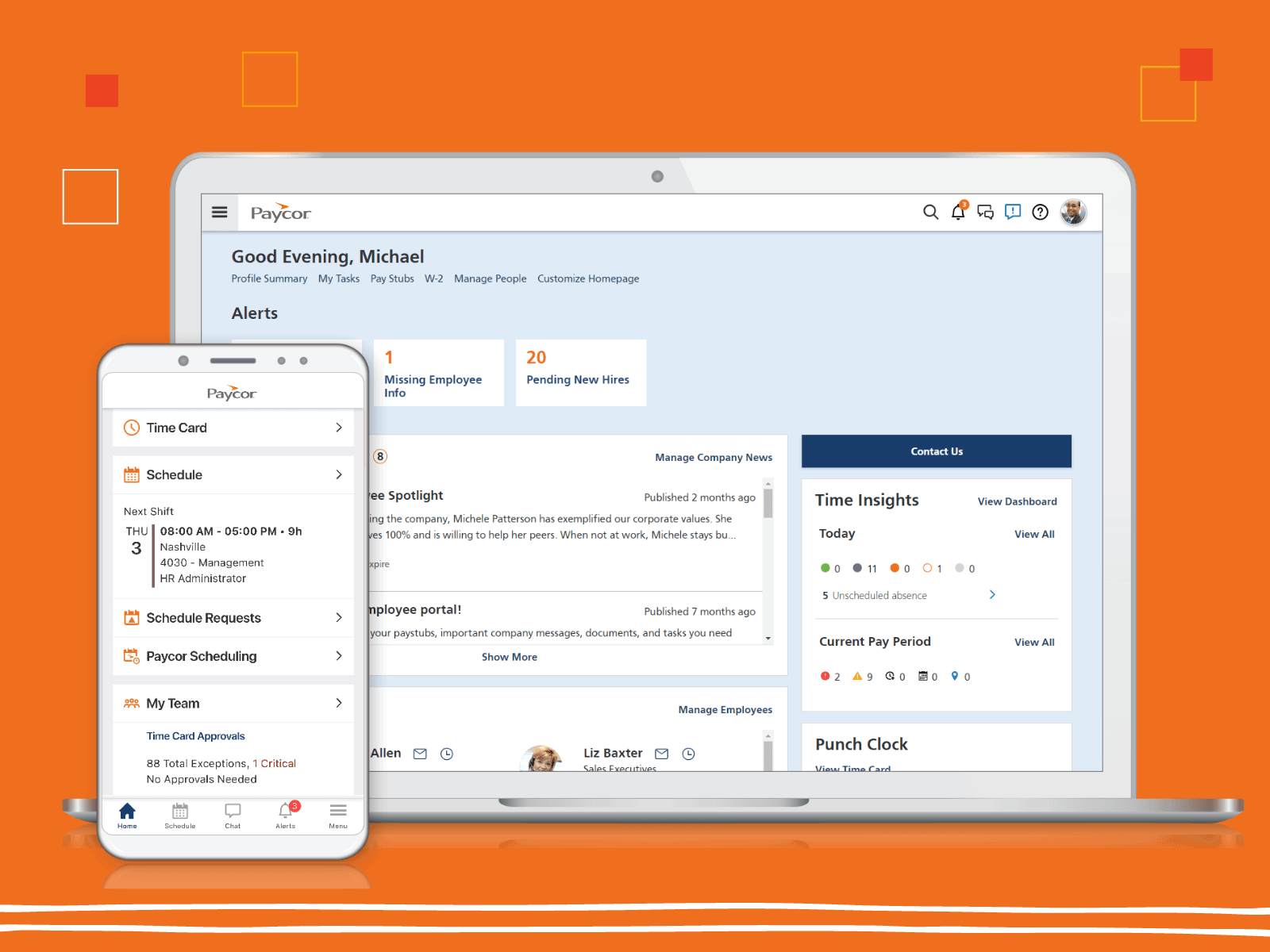
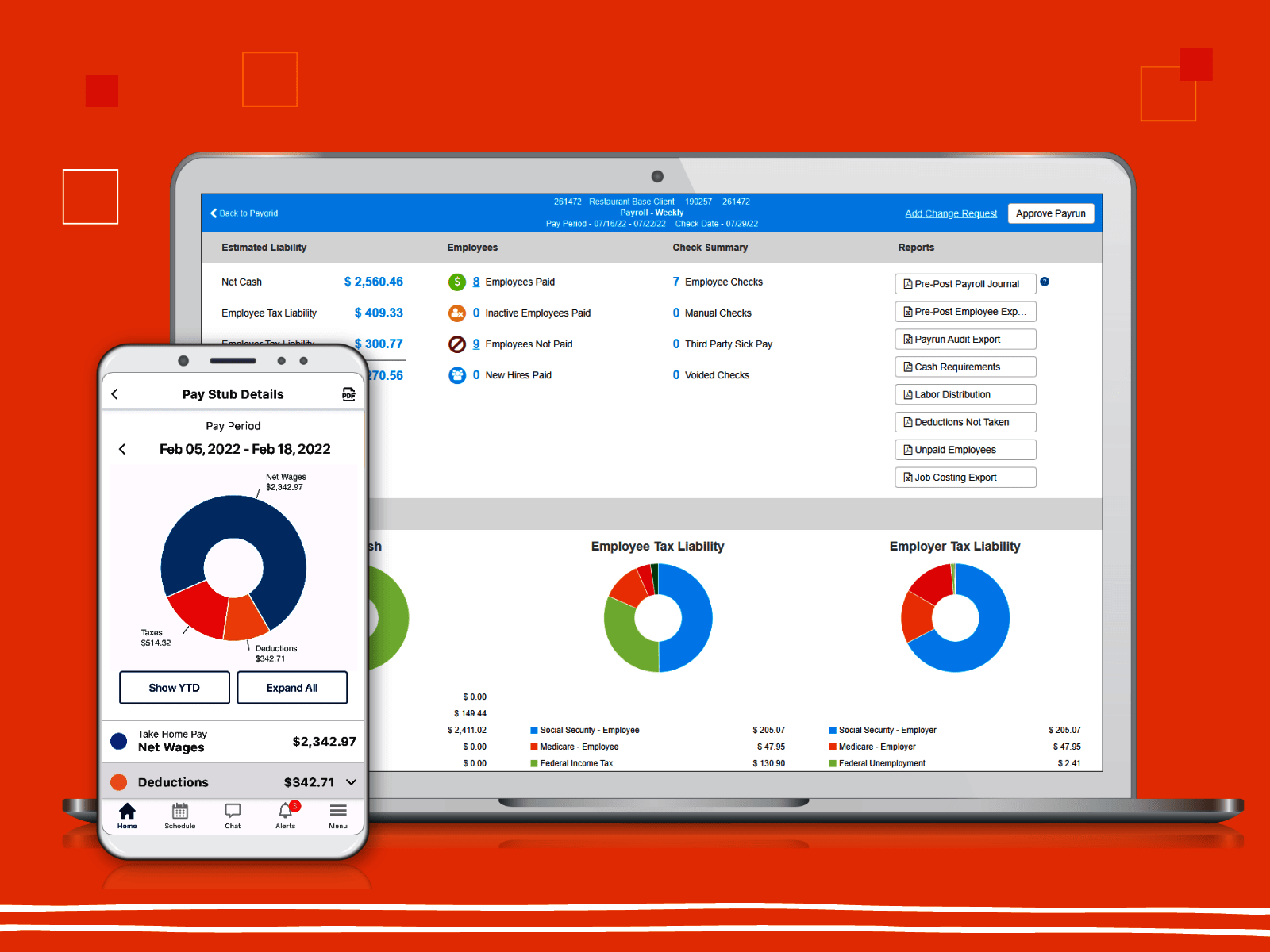
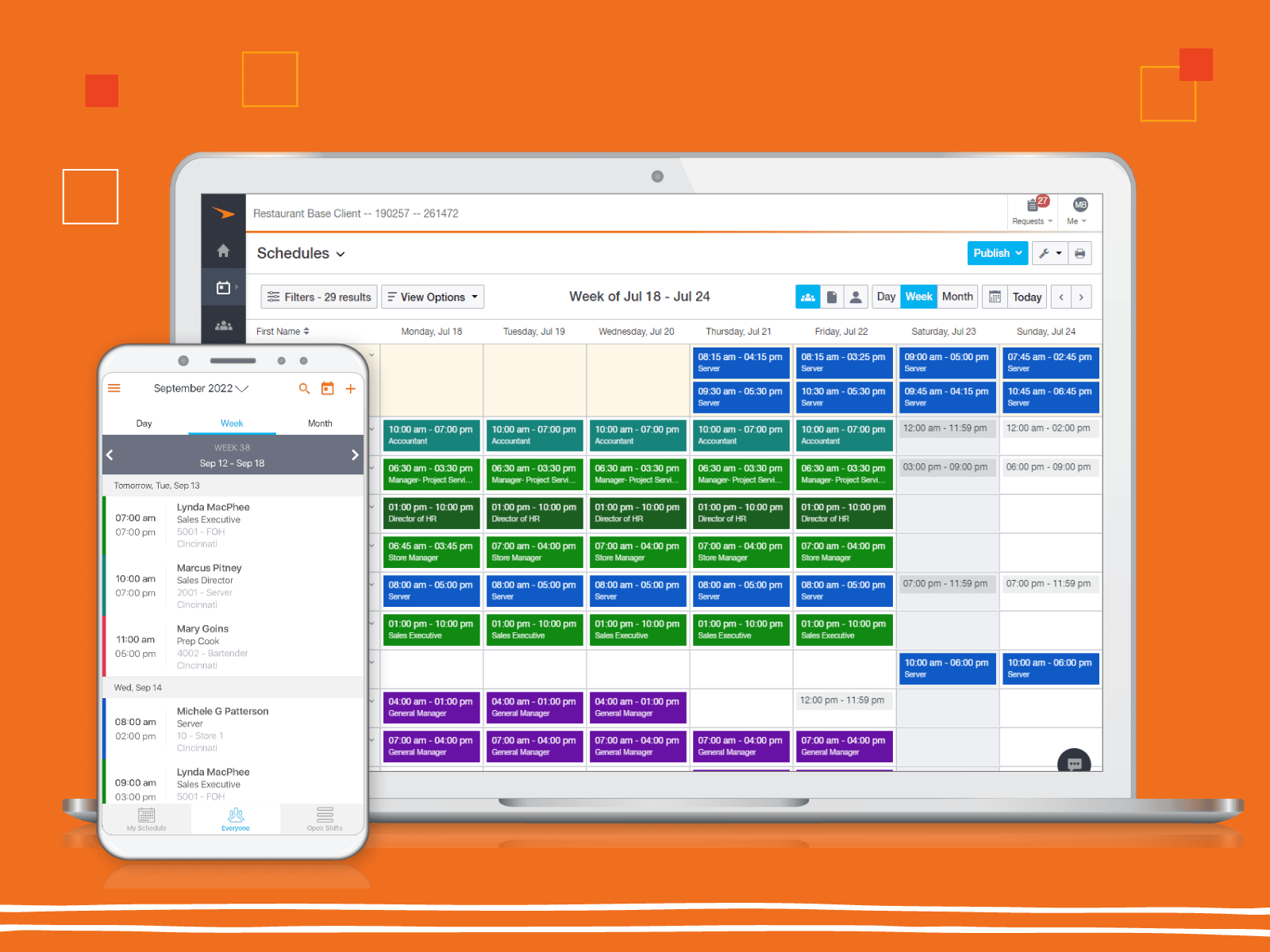
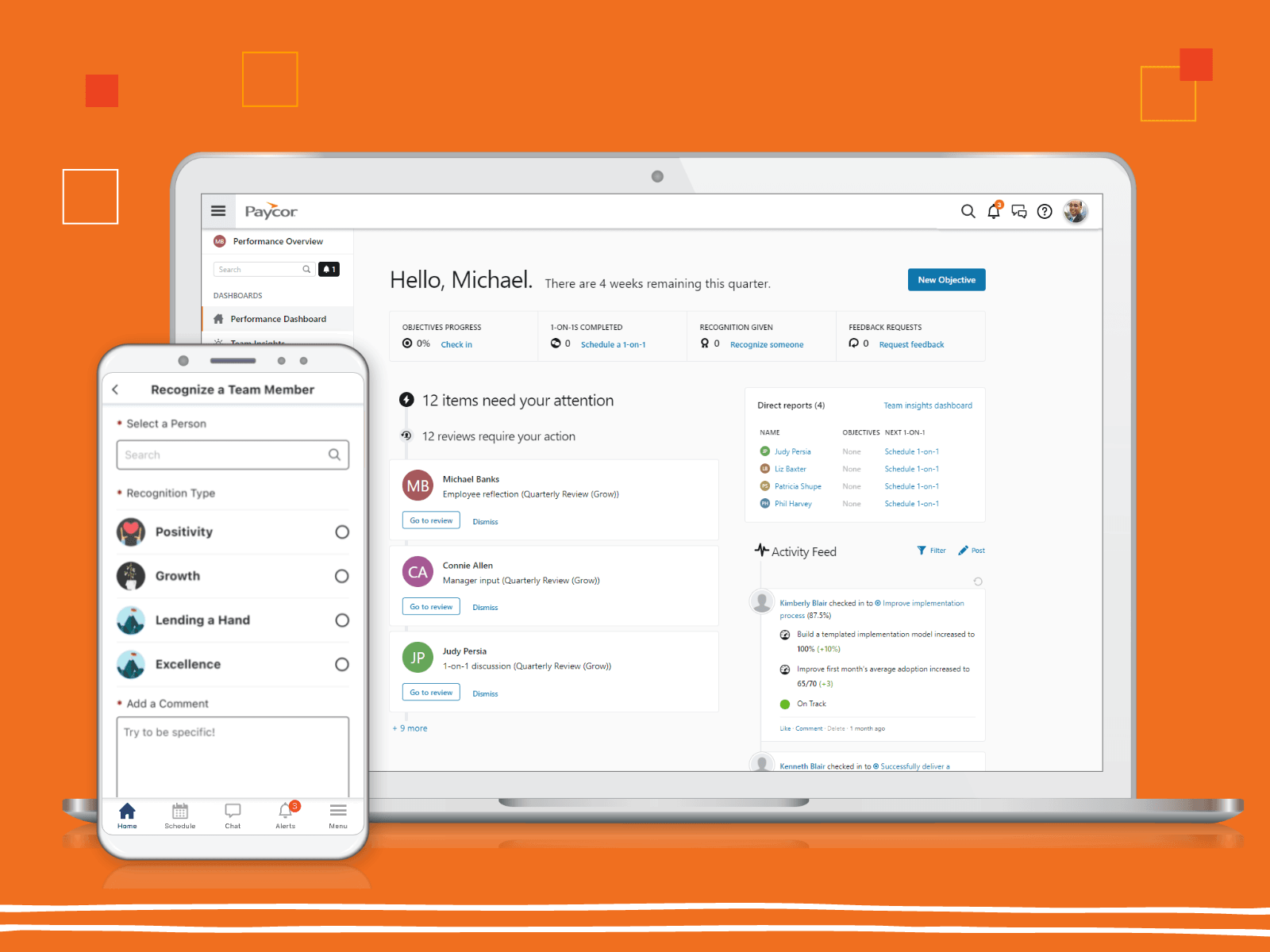
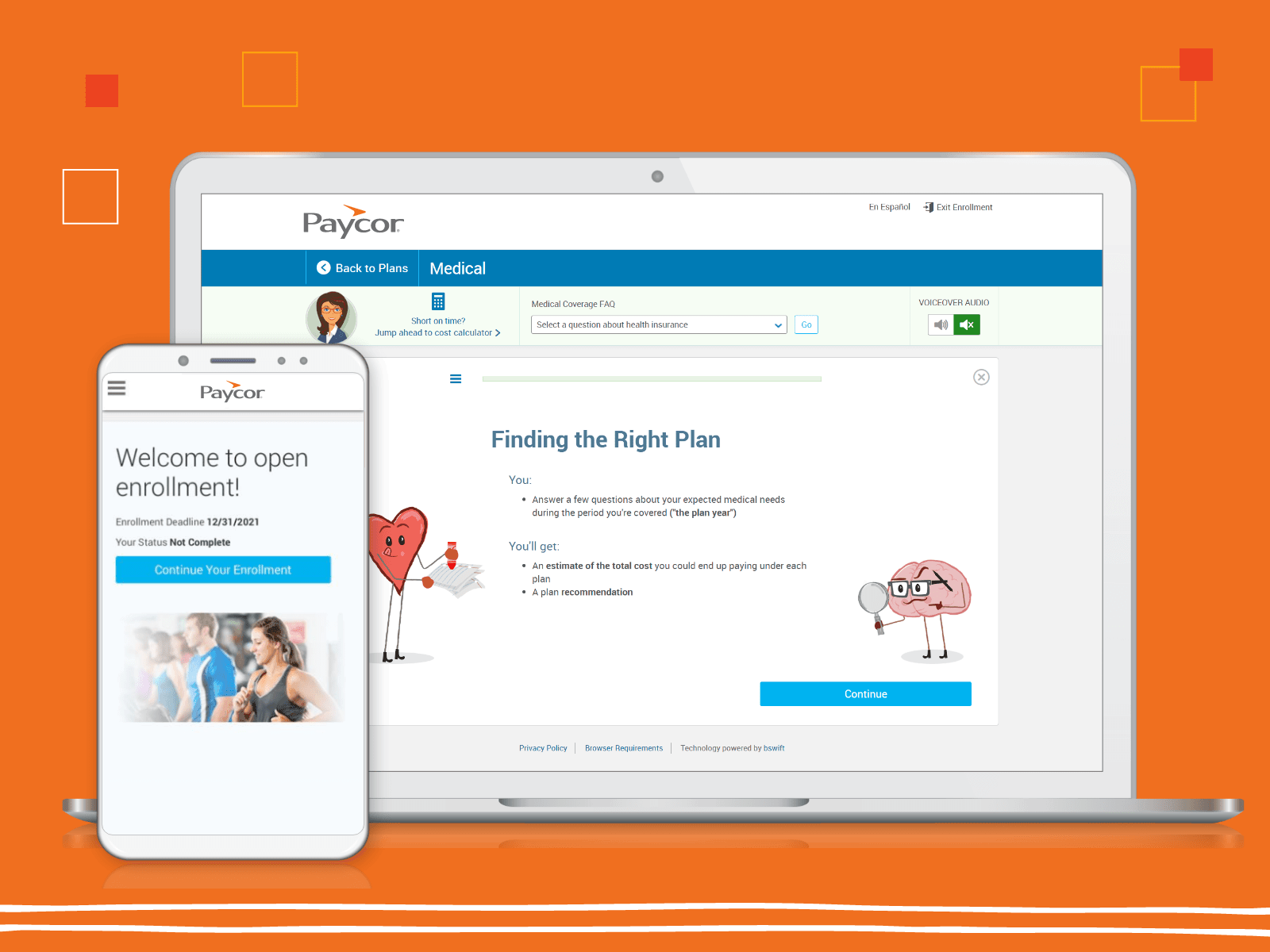
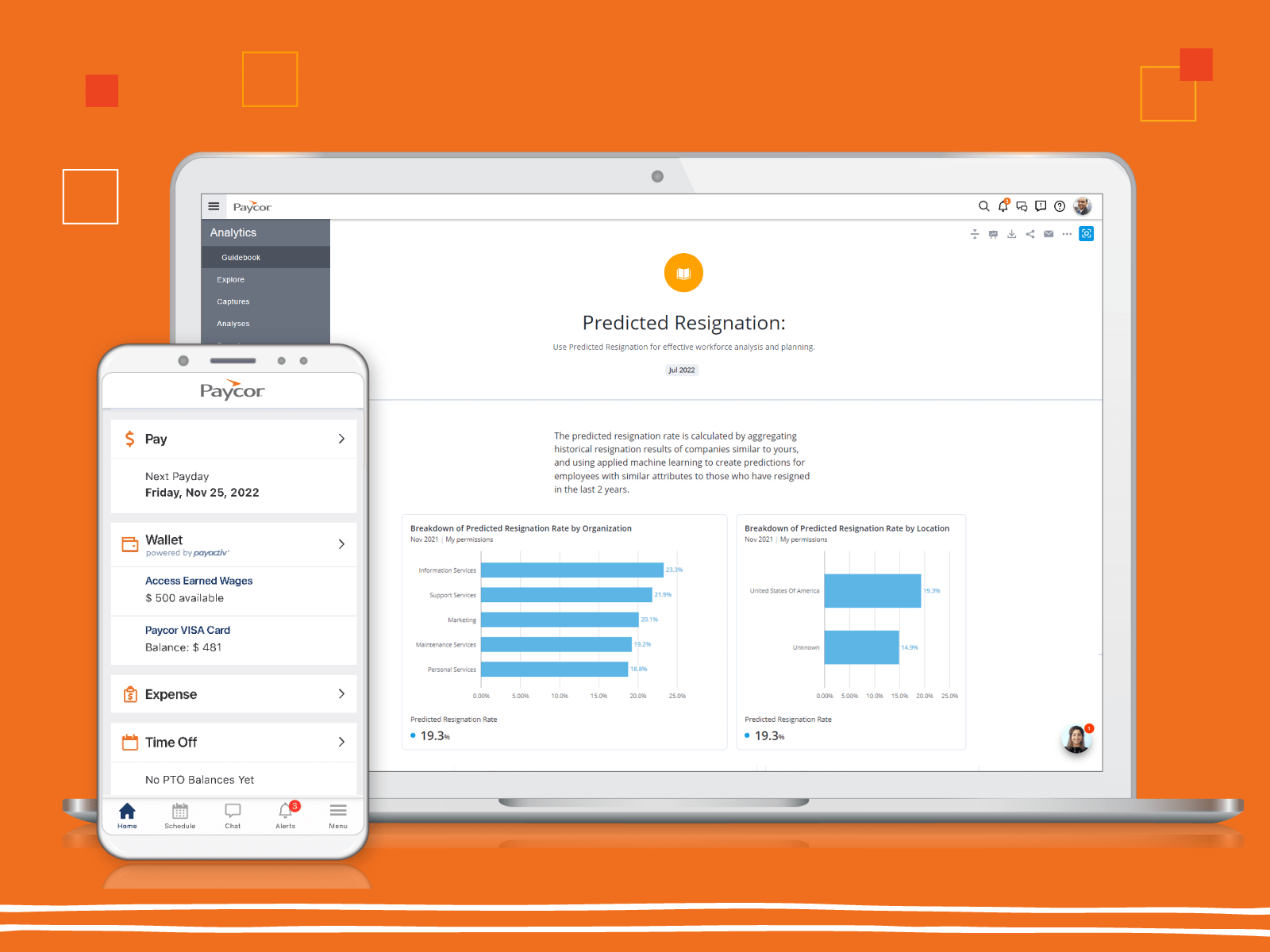
Description
Paycor Field Guide
| Best fit for | US SMB and mid-market HR teams (10-5,000+ employees) needing HR plus payroll plus talent management plus analytics with US tax filing depth, modern UX, and Paycor mobile experience for distributed workforces |
|---|---|
| Industries | US SMB and mid-market organizations across manufacturing, healthcare, professional services, retail, restaurants, hospitality, financial services, non-profit, education, construction, and other US-domestic sectors |
| Core capability | Unified HCM with payroll and US federal/state/local tax filings, core HR, time and attendance with scheduling, benefits administration, talent acquisition with applicant tracking, employee onboarding, performance management, learning, employee engagement and pulse surveys, compensation planning, predictive analytics, Paycor Mobile, integrations with leading business systems |
| Pricing | Paycor pricing is quote-based and scaled by employee count, module mix, payroll tax filing scope, and managed services. Vendor publishes Request a Demo intake at paycor.com with no published per-employee rates. Contact Paycor for tailored quote. |
| Differentiator | Paycor is positioned as a US SMB-to-mid-market HCM with empowerment-led leadership tooling. Where Paylocity emphasizes modern UX at mid-market and Paychex Flex targets SMB with managed services, Paycor positions on leader empowerment, predictive insights, and analytics depth for people-first organizations. |
| Headquarters | Paycor is headquartered in Cincinnati, Ohio, USA and is publicly traded on the NASDAQ (NASDAQ: PYCR). The company serves 30,000+ US businesses with cloud-based HCM platform plus customer success services. |
| Customers | Trusted by 30,000+ US businesses across manufacturing, healthcare, professional services, retail, restaurants, hospitality, financial services, non-profit, education, and construction. Paycor is publicly traded on NASDAQ. |
| Mobile | Native iOS and Android Paycor Mobile apps for employees and managers covering payslip access, time clock-in, scheduling, leave requests, benefits enrollment, performance updates, and HR self-service. |
Where Paycor Wins
US tax filing depth. Federal, state, and local payroll tax filings handled directly by Paycor. Reduces US compliance overhead.
Leader empowerment positioning. Designed to empower leaders with predictive insights and analytics for people-first HR decisions.
Unified HCM platform. Payroll, HR, time, benefits, talent, performance, engagement, learning, compensation on one platform.
NASDAQ-listed financial stability. Publicly traded company providing financial transparency for enterprise procurement.
Modern Paycor Mobile app. Mobile-first experience for distributed US workforces.
Strong customer success services. Implementation and ongoing customer success services for SMB and mid-market customers.
Where Paycor Falls Short
Pricing opacity. Quote-based with no published rates. Procurement should pressure-test against Paylocity, Paychex Flex, and Rippling.
US-domestic focus. Optimized for US payroll. Multi-country organizations evaluate Workday or Rippling.
Implementation cycles. HCM deployments touching payroll, time, benefits, talent need 8-20 weeks for mid-market rollout.
Who Should Use Paycor?
Paycor is the right call when a US SMB or mid-market HR team (10-5,000+ employees) needs unified HR plus payroll plus talent management plus predictive analytics with US tax filing depth, modern Paycor Mobile experience, and leader empowerment positioning for people-first HR decisions.
Paycor is the wrong call for global multi-country organizations (evaluate Workday or Rippling), for Indian SMB (evaluate Keka), and for personal task management.
Paycor Alternatives
Paylocity - US mid-market HCM with modern UX.
Paychex Flex - SMB-to-mid-market payroll plus HR services.
ADP - Enterprise payroll and HR.
Rippling - HR plus IT plus finance unified platform.
Dayforce - US and Canadian enterprise HCM.
BambooHR - SMB-to-mid-market HRIS.
Workday - Global enterprise HCM.
What Reddit and LinkedIn Reviewers Say
Discussions on r/humanresources and r/payroll position Paycor among US SMB-to-mid-market HCM leaders alongside Paylocity, ADP, and Paychex.
LinkedIn discussions among US HR leaders highlight Paycor as the operational answer for US SMB and mid-market organizations wanting leader-empowerment HCM with predictive analytics.
Final Take on Paycor
Paycor is the right call when a US SMB or mid-market HR team (10-5,000+ employees) needs unified HR plus payroll plus talent management plus predictive analytics with US tax filing depth, modern Paycor Mobile experience, and leader empowerment positioning for people-first HR decisions. The combination of capabilities delivers value alternatives cannot match for the right buyer profile.
Adjacent reading: Paycor buyers also evaluate Paylocity and HR software tools for broader category context.
Implementation considerations: US SMB (10-100 employees) deploy Paycor in 6-12 weeks. Mid-market (100-5,000 employees) run 12-24 weeks including data migration, payroll cutover, tax filing setup, module rollout, and admin training.
Buyer evaluation tips: Engage Paycor sales via paycor.com Request a Demo with your employee count, module priorities, payroll tax scope, and integration needs. Run parallel evaluations against Paylocity, Paychex Flex, ADP, and Rippling.
Verified on 2026-06-09 by the SaaSRat Editorial Team. Vendor facts cross-checked against paycor.com and current 2026 vendor disclosures. About our methodology.
Frequently Asked Questions
How much does Paycor cost in 2026?
Who is Paycor designed for?
How does Paycor compare to Paylocity?
Does Paycor support international employees?
What modules does Paycor include?
How long does Paycor implementation take?
Is Paycor SOC 2 compliant?
Does Paycor have employee engagement features?
Can Paycor scale from SMB to mid-market?
Where is Paycor headquartered?
Find Your Perfect Software
See how it can transform your workflow
- Personalized for your needs Tailored recommendations based on your unique requirements.
- Save time & resources Streamline your workflow and boost team productivity.
- Trusted by thousands Join 10,000+ businesses already growing with SaaSrat.
You're all set! 🎉
A specialist for will reach out within 1 business day with tailored recommendations for your needs.