
HR Cloud
by HR CLOUD, INC
What is HR Cloud?
Get Best Quote for HR Cloud
Connect with SaaSrat experts to get the best quote for your business.
You're all set!
A specialist for HR Cloud will reach out within 1 business day.
HR Cloud Features
New-hire onboarding automation (Onboard)
Maya AI onboarding and HR assistant
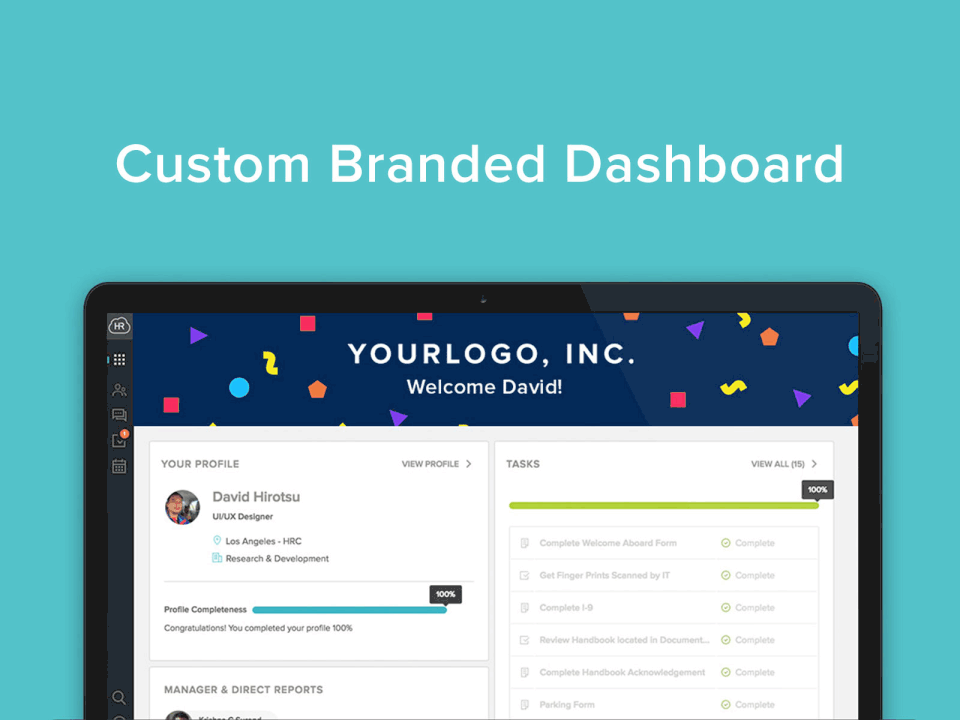
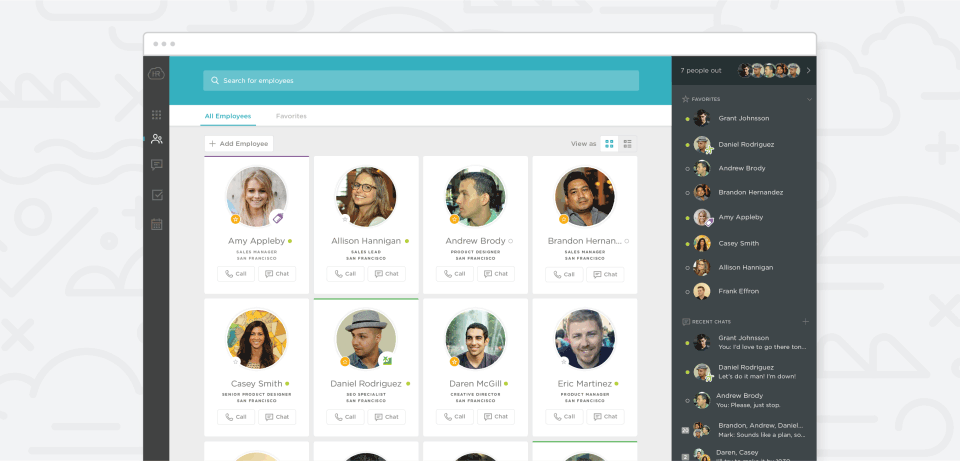
HRIS system with centralised employee data
Time-off tracking and PTO management
Employee self-service portal
Offboarding workflows
View All 18 Features
HR Cloud Pricing Plans
HR Cloud Enterprise
- Built for organisations with 500+ employees
- Pick the modules you need: Onboard, HRIS, ATS, Perform, Workmates, Recognize, Surveys
- Maya AI onboarding and HR assistant included
- Implementation and customer success included
- Annual contracts; volume discounts available
- Verified at hrcloud.com/pricing on 2026-06-11
HR Cloud Resources
HR Cloud Screenshots
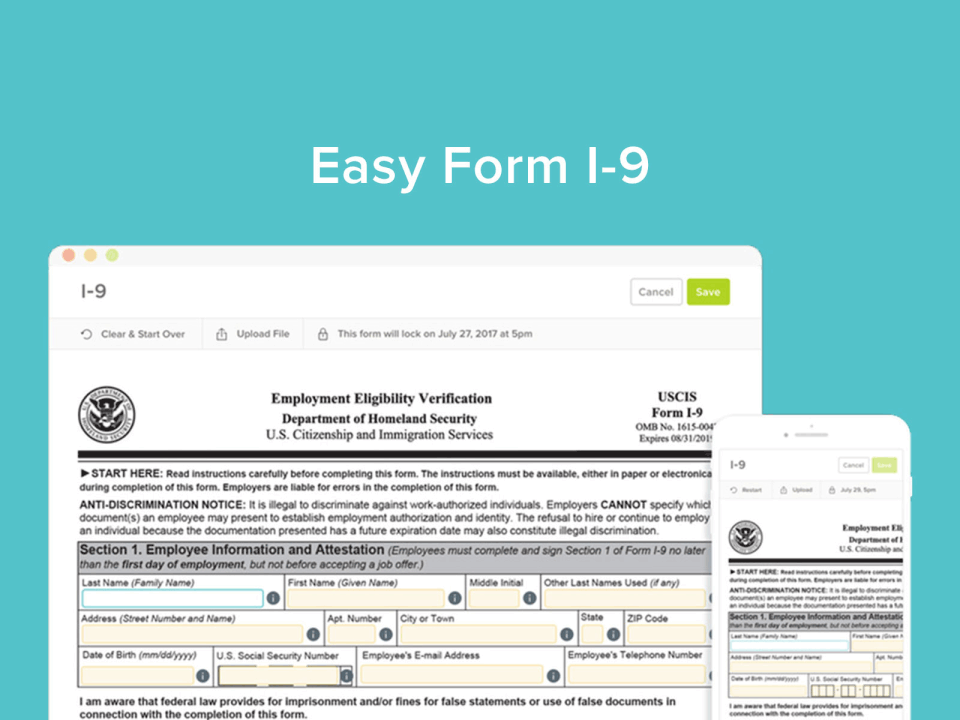
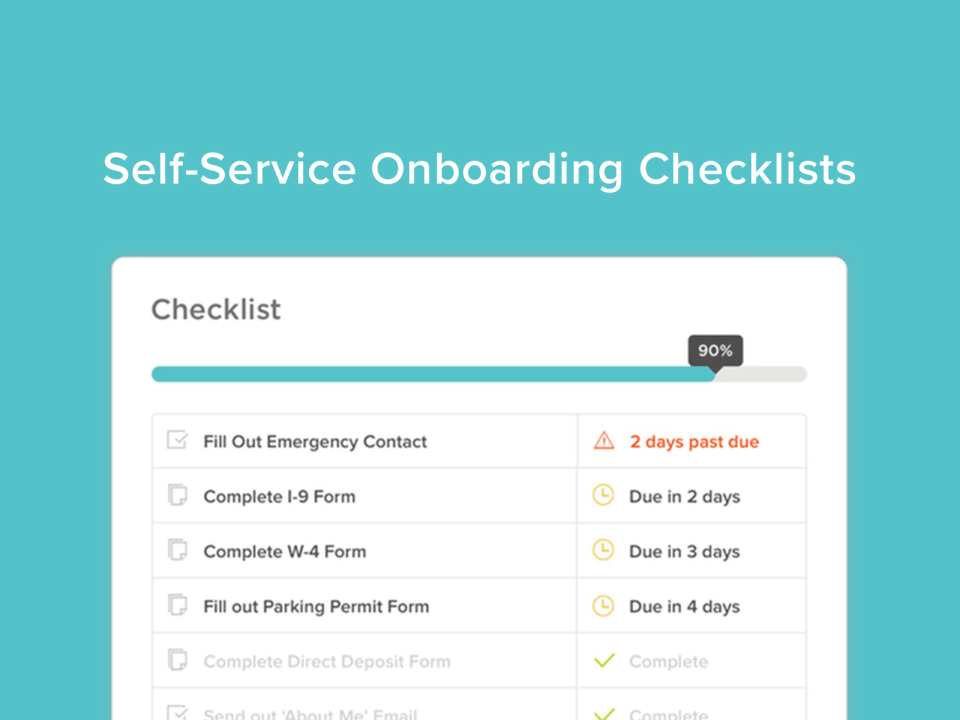
Description
Who HR Cloud is Right For
For enterprise HR teams managing 500+ employees that need onboarding, HRIS, engagement, and recognition in one platform. Strong fit when you need AI-assisted HR workflows and centralised employee data.
The platform is a strong fit for teams that already feel pain from disconnected HR tools (separate ATS, separate engagement tool, separate spreadsheet for PTO) and want to consolidate. It is less ideal if you only need a single narrow capability such as standalone employee engagement surveys or pure payroll.
Pricing
HR Cloud pricing details verified directly from the official HR Cloud pricing page on 2026-06-11.
| Plan | Price | Notes |
|---|---|---|
| HR Cloud Enterprise | Contact Sales | enterprise quote scaled by employee count, module mix, and contract length |
Pricing reflects what HR Cloud publishes on its own pricing page today; tiers, add-ons, and minimums update from time to time, so re-verify before signing a contract.
Integrations and Ecosystem
HR Cloud integrates with common payroll, identity, and productivity tools. Buyers should check the vendor's integrations directory for the latest list of connectors before committing, since integration coverage is where many modular HR suites either win or lose evaluations.
Pros and Cons
Right for you if: you want a modern interface, want to consolidate HR + adjacent capabilities (engagement, performance, onboarding) on one employee record, and value a vendor that openly publishes per-employee pricing.
Probably wrong for you if: you need a single best-of-breed niche tool, run on a fully custom on-premise stack, or operate in a region where HR Cloud has limited language or compliance coverage.
What Real Buyers Say
Discussions on r/humanresources regularly compare HR Cloud against larger established platforms; buyers cite the modular pricing as a positive, with the trade-off that selecting too many add-ons brings per-employee costs closer to enterprise HRIS pricing.
On LinkedIn, HR practitioners often surface HR Cloud as one option in shortlists alongside BambooHR and HiBob; the recurring strengths are ease-of-use and onboarding automation; the recurring critiques are around report customisation depth and reliance on the vendor's in-app help when configuring complex workflows.
HR Cloud Field Guide for Buyers
| Detail | HR Cloud |
|---|---|
| Headquarters | Westlake Village, California, United States |
| Founded | 2012 |
| Customer base | Enterprise customers with 500+ employees |
| Pricing model | Per-employee per-month, with tier-based modules |
| Starting price (published) | Quote-based |
| Free trial / demo | Demo available; request via the HR Cloud official website |
| Best for | For enterprise HR teams managing 500+ employees that need onboarding, HRIS, engagement, and recognition in one platform. Strong fit when you need AI-assisted HR workflows and centralised employee data |
Buyer Action Plan
Step 1: scope your must-have modules (HRIS, ATS, performance, engagement) before talking to sales.
Step 2: request a demo through the HR Cloud website with a specific use case, not generic HR.
Step 3: ask the rep for written confirmation of minimums, contract length, and how add-ons stack on top of your base price.
Step 4: pilot the platform with 10 to 20 real employees for at least 30 days before signing a multi-year contract.
For broader context, compare HR Cloud against other platforms in our HR software directory, onboarding, and engagement categories.
2026 Updates and What's New
HR Cloud continues to evolve through 2026 with AI features, integration expansion, and product refinements. Buyers evaluating HR Cloud in mid-2026 should review the HR Cloud product roadmap and release notes for the most current capabilities, regional expansion, and pricing changes before signing. Recent industry trend: most enterprise HR platforms shipped AI assistants in 2025-2026 (Manager Copilot, employee chat, predictive analytics), and integrations with Microsoft 365, Slack, and Teams continued to deepen. Confirm the specific 2026 features that matter for your use case during the demo.
Security and Compliance
HR Cloud runs on enterprise-grade infrastructure with the standard security controls buyers expect for a platform handling employee and financial data:
- SOC 2 Type II controls on the underlying platform
- Encryption in transit (TLS 1.2+) and at rest for stored data
- Role-based access control and granular permissions
- Two-factor authentication for account logins
- Audit logs for compliance reporting
- GDPR-aligned data handling for EU customers
- Single sign-on (SSO) via SAML or OAuth for enterprise plans
For specific compliance certifications (SOC 2, ISO 27001, HIPAA if relevant, GDPR, regional data residency), request the latest security and compliance documentation from HR Cloud directly during evaluation. Compliance posture changes year to year as new attestations are added.
Customer Support
HR Cloud supports customers through in-product help, documentation, and human support channels. Specifics depend on the plan tier:
- Entry/free tier or Starter: typically in-app chat, email support, knowledge base, and community forum
- Mid/Pro tier: priority response times, phone support during business hours, dedicated onboarding
- Enterprise tier: dedicated Customer Success Manager, named technical contact, faster SLAs, 24/7 escalation for critical issues
Check the HR Cloud support documentation for current SLAs, hours of operation, and the escalation path before signing a multi-year agreement. Account-issue turnaround time is one of the most-flagged differentiators between vendors in r/humanresources shortlist threads.
Who Can Use HR Cloud
HR Cloud serves the customer profile described in the overview, but buyers should verify eligibility on a few axes before committing:
- Geography: which countries HR Cloud supports operationally and which features (payroll, compliance, language) work in your region
- Company size: typical customer band (SMB / mid-market / enterprise) and whether your headcount fits the pricing model
- Entity type: support for sole props, LLCs, partnerships, S-corps, C-corps, and multi-entity structures if applicable
- Industry: any industry-specific compliance (HR Cloud may have stronger fit in some verticals)
- Technology stack: existing HRIS, payroll, identity, and productivity systems HR Cloud must integrate with
A 30-minute scoping call with HR Cloud typically resolves these questions. Have a written list of must-have capabilities before the call.
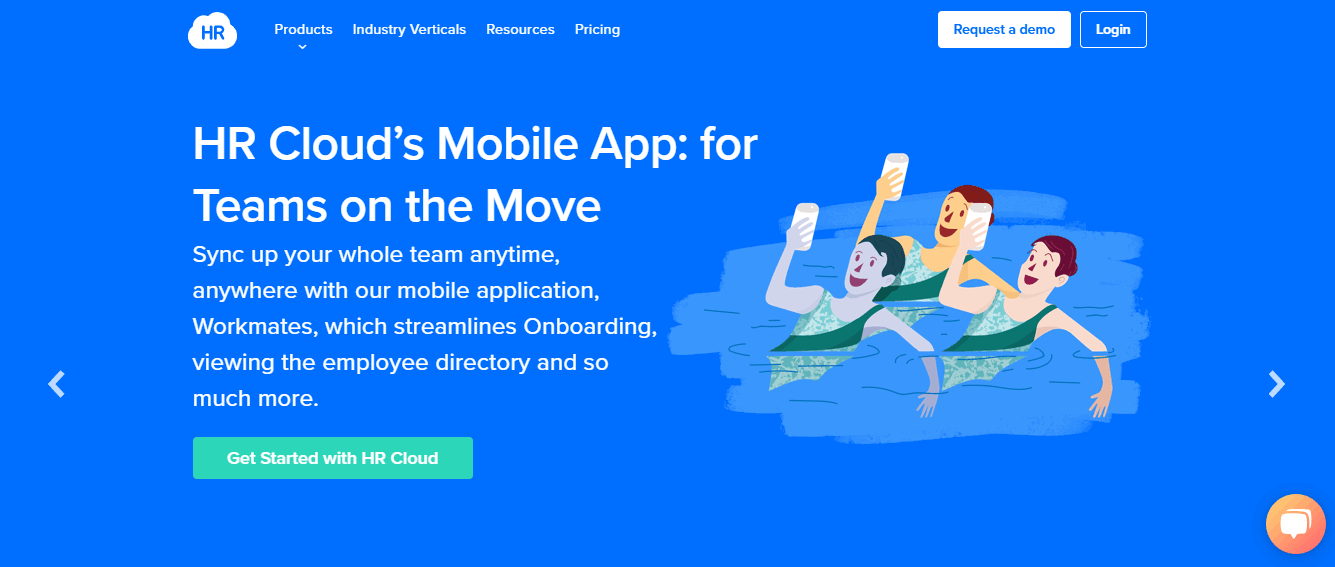
Mobile App Experience
HR Cloud ships mobile apps for iOS and Android (or mobile-responsive web access) so employees and managers can complete common tasks from a phone: clock-in, time-off requests, expense submission, document signing, schedule view, manager approvals, and self-service profile updates. The mobile experience is increasingly the primary daily-use surface for frontline and distributed teams, not a secondary channel. During evaluation, install the app, run through the most common 3-4 employee tasks, and check the App Store and Google Play ratings for current sentiment; the rating trend in the last 6 months is more predictive than the all-time score.
How to Get Started with HR Cloud
Step 1: scope the modules and integrations you need before any sales call. HR Cloud pricing typically scales by employee count and module mix, so a clear scope keeps the quote predictable.
Step 2: request a demo through the HR Cloud website with a specific use case and realistic headcount. Ask for a reference customer in your industry and size band.
Step 3: confirm in writing the contract length, minimums, annual versus monthly billing, and how add-on modules stack on top of your base price. This is where surprise costs hide.
Step 4: run a 30-day pilot with 10 to 20 real employees or hires before signing the multi-year contract. Implementation timelines for full HR Cloud rollout are typically 4 to 12 weeks depending on scope.
Top Alternatives to HR Cloud
If HR Cloud is not the right fit, the three most-commonly-shortlisted alternatives in 2026:
| Alternative | When to consider it |
|---|---|
| BambooHR | Direct alternative; compare on pricing, geography, and integration depth |
| UKG | Direct alternative; compare on pricing, geography, and integration depth |
| Workday | Direct alternative; compare on pricing, geography, and integration depth |
For broader shortlists, see the SaaSRat HR software, payroll, onboarding, and engagement category directories.
How to Cancel or Switch from HR Cloud
Cancellation depends on your contract type. Most HR Cloud customers run on annual contracts billed monthly or annually upfront. To cancel: notify your account manager in writing 30 to 60 days before the renewal date (check your contract for the exact notice period), export your data (employee records, time records, documents, reports), and disconnect downstream integrations. Mid-contract cancellation typically forfeits the remaining contract value unless the vendor has a specific service-level breach. Plan migrations carefully: payroll year-end timing, performance-review cycle, and benefits enrolment windows all affect the cleanest switch date.
Bottom Line on HR Cloud
HR Cloud is a credible 2026 choice for buyers who match its target profile (enterprise hris for 500+ employees with onboarding focus). The platform earns its place on enterprise shortlists in its category. The questions that decide the buy are: does the geography and module mix fit your headcount and growth path, can you live with the customer-support tier you can afford, and does the contract structure align with how your business actually scales? If your scoping call with HR Cloud answers all three with a clear yes, HR Cloud is a strong commit; if any answer is ambiguous, run a 30-day pilot before signing the multi-year contract.
Verified on 2026-06-11 by the SaaSRat Editorial Team. Vendor facts cross-checked against the HR Cloud website and current 2026 vendor disclosures. About our methodology.
Frequently Asked Questions
How much does HR Cloud cost in 2026?
What products does HR Cloud offer?
Does HR Cloud include native payroll?
Who uses HR Cloud?
What is HR Cloud Workmates?
Is HR Cloud good for field employees?
Does HR Cloud have a mobile app?
How long does HR Cloud implementation take?
Is HR Cloud SOC 2 compliant?
How does HR Cloud compare to BambooHR?
Find Your Perfect Software
See how it can transform your workflow
- Personalized for your needs Tailored recommendations based on your unique requirements.
- Save time & resources Streamline your workflow and boost team productivity.
- Trusted by thousands Join 10,000+ businesses already growing with SaaSrat.
You're all set! 🎉
A specialist for will reach out within 1 business day with tailored recommendations for your needs.