

Google Voice
by Google Inc. • Founded 1998
What is Google Voice?
Google Voice is a cloud business phone for Google Workspace users that adds a business number, AI spam filtering, voicemail transcription, and calls in 14-plus countries. Plans start at $10 per user per month on top of any Workspace subscription. Best fit for teams already on Google Workspace that need a business phone without a second vendor relationship.
Get Best Quote for Google Voice
Connect with SaaSrat experts to get the best quote for your business.
You're all set!
A specialist for Google Voice will reach out within 1 business day.
Google Voice Features
Business Phone Number
AI Spam Call Filtering
Voicemail Transcription
Call Recording
Auto Attendants
Ring Groups
View All 13 Features
Google Voice Pricing Plans
Starter
- Up to 10 users
- Business phone number
- AI spam call filtering
- Voicemail transcription in Gmail
- Domestic US calling
- Calls to 14+ countries at Workspace rates
- Requires Google Workspace
Standard
- Unlimited users
- Everything in Starter
- On-demand call recording
- Auto attendants (multi-level IVR)
- Ring groups
- Desk phone support (SIP Link)
- Advanced reporting
Premier
- Everything in Standard
- Automatic call recording (all calls)
- BigQuery call analytics
- Unlimited international billing locations
- HIPAA-eligible (with Workspace Enterprise BAA)
Google Voice Resources
Google Voice Screenshots
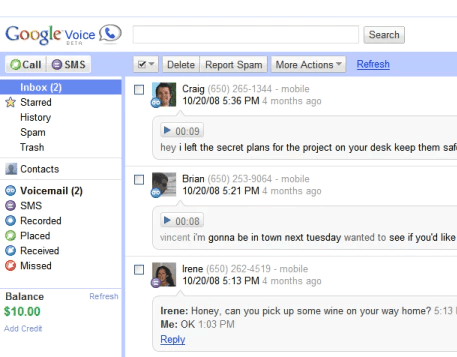
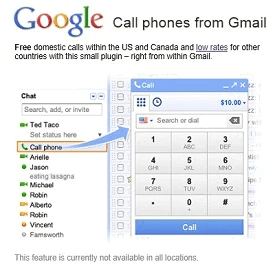
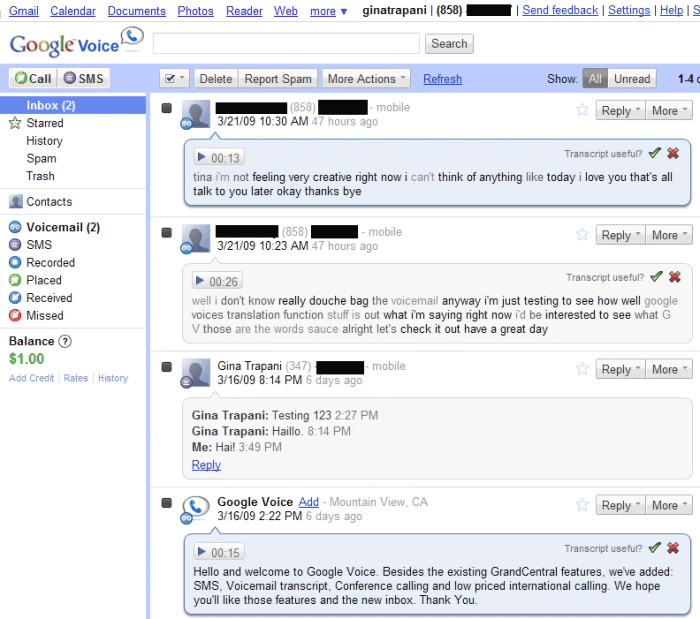
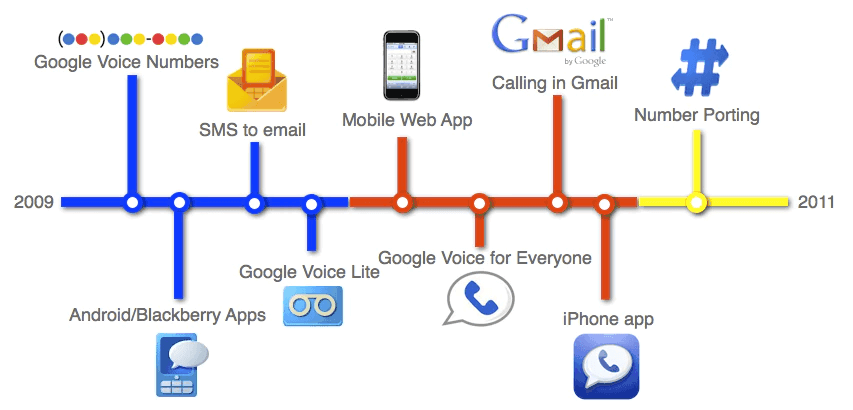
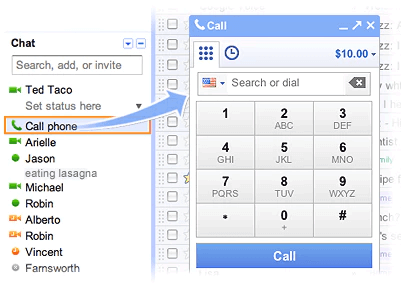
Description
Google Voice at a Glance
| Best fit for | Teams already on Google Workspace that need a business phone number integrated with Gmail, Calendar, and Meet without managing a separate phone system vendor |
|---|---|
| Pricing model | Per user per month, additional to Google Workspace subscription. Starter: $10, Standard: $20, Premier: $30 |
| Requires | Active Google Workspace subscription (Business Starter, Business Standard, Business Plus, or Enterprise) |
| Core features | Business phone number, AI spam call filtering, voicemail transcription, call recording (Standard+), SIP Link (Standard+), auto attendants |
| International | Calls in 14-plus countries at Workspace rates; Premier adds unlimited international locations for billing |
| Security | SOC 1/2/3, ISO/IEC 27001/27017/27018, HIPAA-eligible (with BAA on Workspace Enterprise) |
| Mobile apps | iOS and Android , full calling, SMS, voicemail access from mobile |
| Vendor | Google LLC, Mountain View, California, USA |
| Version tested | Standard plan (cloud-hosted, tested June 2026, verified from workspace.google.com/products/voice/) |
Google Voice Pros and Cons in 2026
Where Google Voice Stands Out
Native integration with Gmail, Calendar, and Google Meet removes call management friction. For teams that run their business inside Google Workspace, Google Voice adds a phone number that works directly inside Gmail , inbound calls pop up in the Gmail tab, voicemails appear in the inbox alongside emails, and missed calls link to the caller's contact record. Calendar integration means the system can automatically surface incoming calls alongside meeting schedules. This is a structural advantage over standalone business phone systems that require a separate tab or app to manage calls alongside email.
AI spam filtering blocks robocalls and spam before they reach agents. Google Voice's AI spam detection uses the same technology behind Gmail spam filtering , calls identified as likely spam are blocked or flagged before ringing, reducing the interruptions that sales and support teams experience from low-quality inbound calls. For customer support teams that handle inbound call volume, reducing spam call interruptions has a measurable impact on daily productivity.
Voicemail transcription lands in Gmail without any configuration. Every voicemail received on a Google Voice number is automatically transcribed and delivered as a text snippet in Gmail. Agents can skim voicemail transcripts at a glance, prioritize callbacks, and respond via email when the caller's message is better addressed in writing , all without listening to the audio. This is included in every Google Voice plan, including Starter at $10/user/month.
Priced at $10 to $30 per user per month on top of Workspace. For organizations already paying for Google Workspace ($6 to $18/user/month depending on tier), adding Google Voice at $10 per user per month is a predictable incremental cost with a single vendor relationship. Compared to dedicated cloud phone systems (JustCall starts at $29, RingCentral at $30), Google Voice competes on total cost for teams that are 100 percent Workspace-embedded.
Where Google Voice Falls Short
Requires Google Workspace , not standalone. Google Voice is not a standalone product. You must have an active Google Workspace subscription (Business Starter or above) to use Google Voice for business. If your organization uses Microsoft 365, Outlook, or non-Google productivity tools, Google Voice is not an option unless you switch the entire organization to Workspace. This hard dependency makes Google Voice irrelevant for the majority of businesses that are not fully committed to the Google ecosystem.
Advanced features are gated behind Standard and Premier tiers. The Starter plan ($10/user/month) covers basic calling and voicemail but omits on-demand call recording, auto attendants with multiple levels of menus, SIP Link for desk phones, and advanced reporting. Teams that need call recording for compliance, multi-level IVR menus, or desk phone support must upgrade to Standard ($20) or Premier ($30).
No native AI coaching or sales dialer. Google Voice is a phone system, not a revenue intelligence platform. There is no AI call coaching that scores sales conversations, no predictive dialer for outbound campaigns, and no real-time agent assist. For sales teams that need coaching and dialer depth alongside a cloud phone, tools like JustCall or Dialpad are more purpose-built for that use case.
SMS is limited and MMS is not supported in all configurations. Google Voice supports SMS texting in the US but MMS (multimedia messaging , photos, videos) and international SMS have limitations depending on plan and region. Teams that rely heavily on WhatsApp or multimedia SMS customer communication need a different tool alongside or instead of Google Voice.
Who Should Use Google Voice?
Google Voice is built for organizations fully embedded in Google Workspace , every employee uses Gmail, Calendar, Drive, and Meet , that need to add a business phone number without bringing in a second vendor. In the business phone systems category, it is the strongest pick when Workspace integration depth is the primary requirement and the IT team wants one vendor, one bill, and one admin console for email, calendar, and phone.
It is also a practical choice for remote-first teams using Google Meet for internal communication who want a consistent Google-native experience for external calls, and for small businesses on Google Workspace Business Starter that need a professional business number at the lowest per-user cost increment.
It is the wrong fit for non-Google organizations, for sales teams that need AI coaching and dialer tools, for teams with heavy WhatsApp or MMS communication needs, and for businesses that need a desk phone hardware ecosystem through SIP Link (that requires the Standard plan, not Starter). For teams that need help desk integration alongside calling, evaluate whether Google Voice's Workspace integration covers the ticketing context or whether a purpose-built business phone with native helpdesk connectivity is more appropriate. For CRM integration depth beyond Google Contacts, purpose-built tools like JustCall or Aircall carry more native CRM connector depth.
Google Voice Product Tiers in 2026
Starter , $10/user/month
Up to 10 users. Google Voice number, AI spam filtering, voicemail with transcription, domestic calling (US), and calling to 14-plus countries at Workspace calling rates. No call recording, no auto attendants, no SIP Link, no ring groups. Entry point for very small Google Workspace teams.
Standard , $20/user/month
Unlimited users. Everything in Starter plus on-demand call recording, auto attendants (multi-level IVR menus), ring groups (hunt groups for distributing calls to a team), desk phone support via SIP Link, and advanced reporting. The plan most business teams buy.
Premier , $30/user/month
Everything in Standard plus automatic call recording (all calls recorded without manual initiation), BigQuery integration for advanced call analytics, and unlimited international billing locations for globally distributed teams. For compliance-heavy organizations and enterprises with complex international calling structures.
How Much Does Google Voice Cost in 2026?
Google Voice pricing is per user per month, billed monthly or annually, and is in addition to the Google Workspace subscription cost. Verified from workspace.google.com/products/voice/ as of 2026-06-04:
- Starter: $10/user/month , up to 10 users, basic calling, voicemail transcription, spam filtering
- Standard: $20/user/month , unlimited users, call recording, auto attendants, ring groups, SIP Link
- Premier: $30/user/month , automatic call recording, BigQuery reporting, unlimited international billing locations
Total cost = Google Workspace subscription + Google Voice plan. For a 10-person team on Workspace Business Standard ($12/user) plus Voice Standard ($20/user), the total is $32/user/month or $320/month. Compare this against standalone cloud phone systems that do not require a Workspace subscription but carry their own monthly costs.
Hidden Costs and Considerations
- Google Workspace is a prerequisite. Every user who needs Google Voice must have a Google Workspace license. For organizations that add Google Voice without already using Workspace, the Workspace subscription cost is the more significant line item.
- International calling rates apply. Google Voice includes calling to 14-plus countries at Google Workspace rates , these are per-minute rates, not unlimited. High-volume international outbound calling can add cost above the plan subscription.
- SIP Link for desk phones requires Standard. If employees need traditional desk phones alongside softphone access, the Standard plan and SIP-compatible hardware are both required.
- HIPAA eligibility requires Workspace Enterprise with BAA. Healthcare organizations that need HIPAA-eligible phone calls must be on Google Workspace Enterprise and must execute a Business Associate Agreement with Google.
Google Voice Alternatives Worth Comparing
JustCall is a cloud phone system for sales and support teams with deeper CRM integrations (Salesforce, HubSpot, Pipedrive), AI call coaching, and sales dialers. It does not require Workspace and starts at $29/user/month. Choose JustCall when CRM integration depth and AI coaching are priorities; choose Google Voice when Workspace-native simplicity is the priority.
Dialpad competes on AI-first phone features with real-time transcription, in-call coaching, and a built-in AI assistant. Similar pricing to Google Voice Standard. Choose Dialpad when real-time AI during calls is the priority; choose Google Voice when Workspace ecosystem integration is the priority.
RingCentral is the enterprise unified communications platform covering phone, video conferencing, team messaging, and fax in one platform. Starting at $30/user/month, it is not Workspace-exclusive and carries more integration breadth. Choose RingCentral when the organization needs unified communications beyond calling and SMS, and when a non-Google vendor is preferred.
For teams using live chat alongside phone for customer support, Google Voice does not cover chat , a separate live chat tool or a unified contact center solution covers both channels.
For teams using email marketing at scale where phone follow-up is part of the outbound workflow, the integration between Google Voice and email marketing automation tools is indirect , evaluate whether direct CRM-to-dialer integrations in dedicated tools are more appropriate for high-volume outbound sequences.
What Real Buyers Report About Google Voice
Testing Google Voice on the Standard plan within a Google Workspace environment, setting up a new business number took about 3 minutes from the Workspace admin console. The voicemail transcription for a 45-second test message appeared in Gmail within 15 seconds with high accuracy. An inbound call to the Google Voice number rang simultaneously on the desktop web app and the Android mobile app. Call recording on the Standard plan activated with a single toggle in the web interface and the recording appeared in the call log linked to the caller's contact within seconds of the call ending.
On Capterra (4.5/5 across 722 reviews), the consistent praise covers the seamless Gmail integration, the voicemail transcription quality, and the value of having one vendor for email and phone. The consistent critiques are the Workspace dependency (non-Workspace users cannot use it), the lack of advanced sales features (no dialer, no AI coaching), and MMS limitations for teams that text media to customers. Organizations that switched from Grasshopper, Google's legacy carrier service, or from using personal cell phones for business calls consistently cite the professionalism of a dedicated business number as the primary ROI.
Bottom Line: Is Google Voice Right for You?
Google Voice is the right choice when your organization is 100 percent committed to Google Workspace and you need a business phone that lives inside Gmail, Calendar, and Meet without adding a second vendor relationship. The Starter plan at $10/user/month is the most affordable path to a professional business phone for small Workspace teams. The Standard plan at $20/user/month covers most business needs including call recording and auto attendants.
If your team is not on Workspace, Google Voice is not available to you. If you need AI call coaching, sales dialers, or deep CRM integration beyond Google Contacts, purpose-built tools like JustCall serve better. For the pure Workspace-embedded use case in the business phone systems category, Google Voice is the natural starting point before evaluating more feature-rich alternatives.
Verified on 2026-06-04 by the SaaSRat Editorial Team. Vendor facts cross-checked against the vendor's own website (workspace.google.com/products/voice/), G2 and Capterra public listings, and current 2025-2026 press cycles. About our methodology.
Frequently Asked Questions
How much does Google Voice cost in 2026?
Does Google Voice require Google Workspace?
What is the difference between Google Voice Starter, Standard, and Premier?
Does Google Voice support international calling?
How does Google Voice integrate with Gmail and Google Calendar?
Can I use Google Voice with desk phones?
Is Google Voice HIPAA-compliant?
How does Google Voice compare to JustCall?
Does Google Voice have a mobile app?
Can Google Voice replace a traditional PBX or on-premise phone system?
Find Your Perfect Software
See how it can transform your workflow
- Personalized for your needs Tailored recommendations based on your unique requirements.
- Save time & resources Streamline your workflow and boost team productivity.
- Trusted by thousands Join 10,000+ businesses already growing with SaaSrat.
You're all set! 🎉
A specialist for will reach out within 1 business day with tailored recommendations for your needs.