

TINYpulse
by TINYpulse • Founded 2012
What is TINYpulse?
Get Best Quote for TINYpulse
Connect with SaaSrat experts to get the best quote for your business.
You're all set!
A specialist for TINYpulse will reach out within 1 business day.
TINYpulse Features
Weekly pulse surveys
Anonymous employee feedback
ENPS tracking
Engagement surveys
Custom poll questions
Suggest (anonymous suggestions)
View All 33 Features
TINYpulse Pricing Plans
Pulse Surveys (WebMD-bundled)
- Now WebMD Health Services-owned
- Quote-based via WebMD sales
- Historical aggregator data $3 to $8 PUPM
WebMD ONE bundle
- TINYpulse plus WebMD wellbeing
- HIPAA-ready
- BAA available
- Healthcare-grade compliance
Enterprise
- 5,000-plus employees
- Multi-region
- Dedicated WebMD CSM
- Custom integrations
TINYpulse Resources
TINYpulse Screenshots
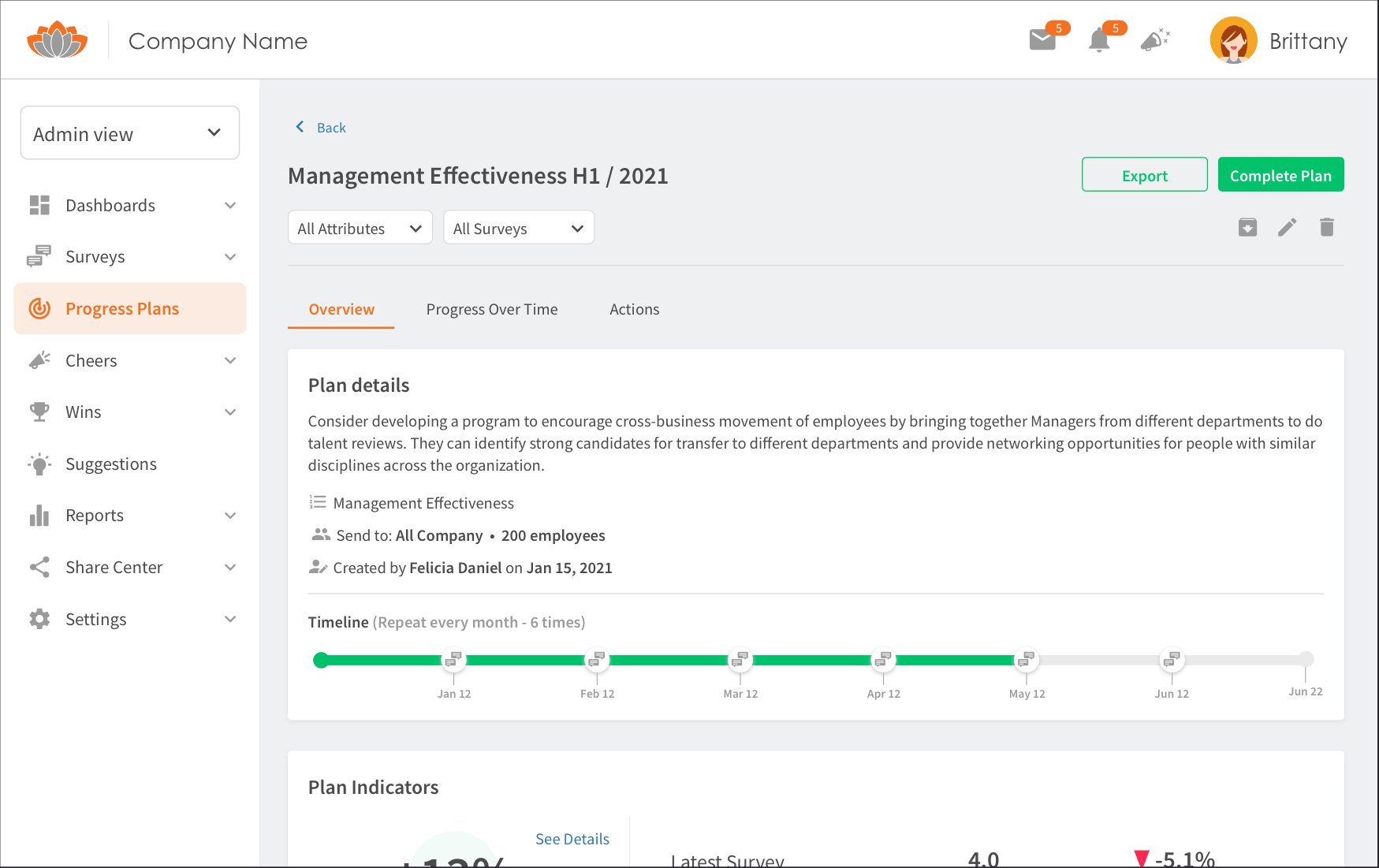
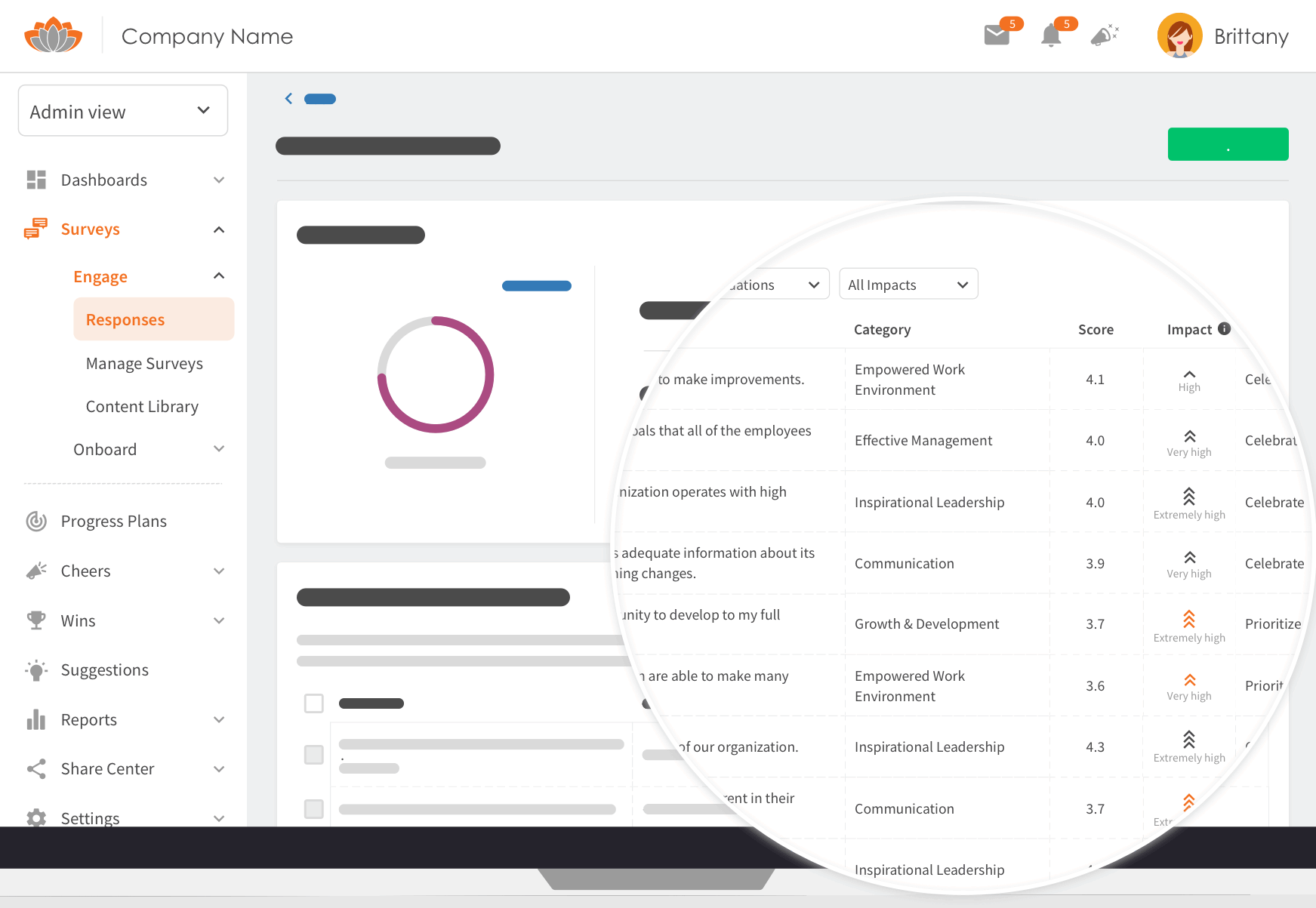
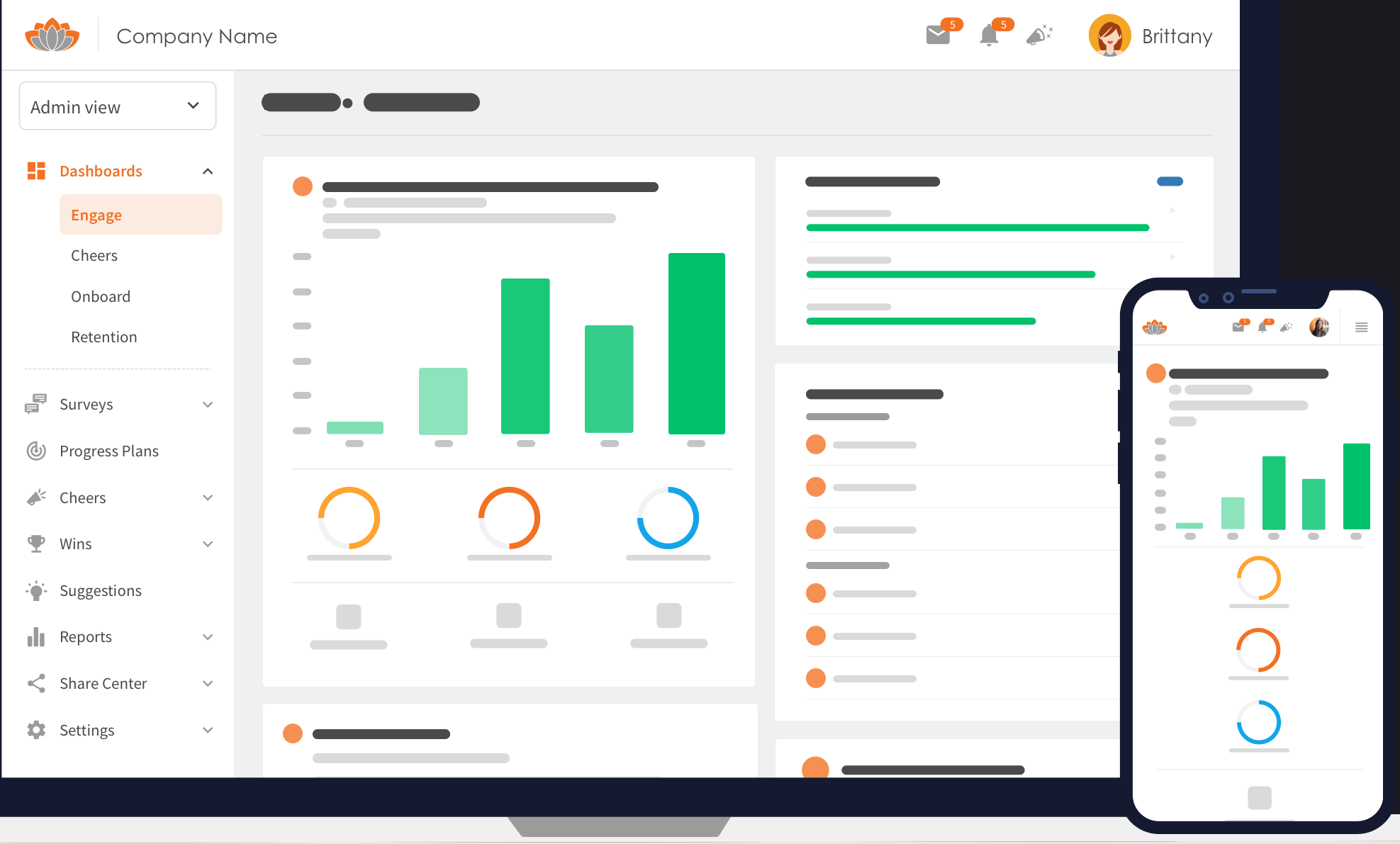
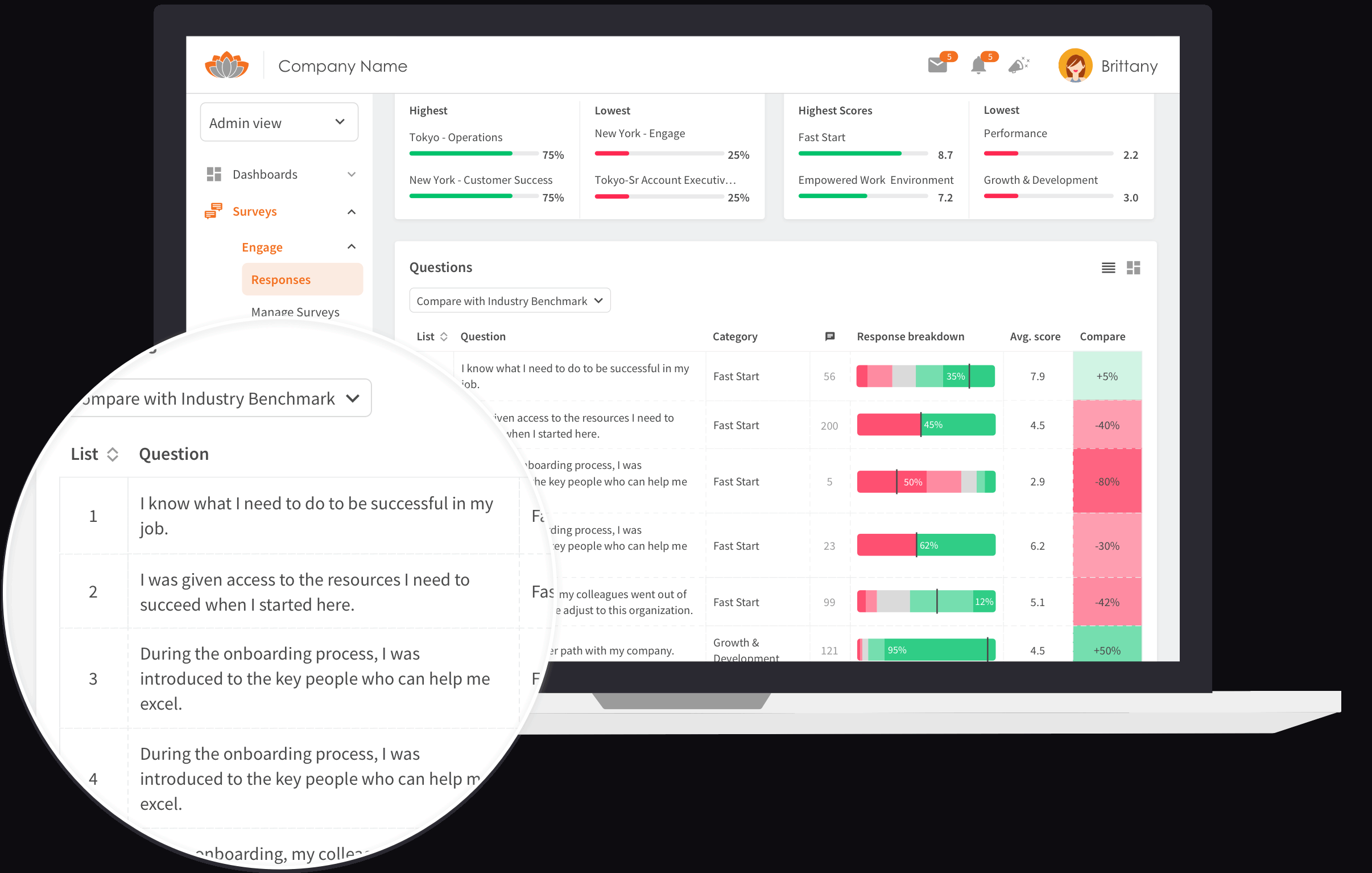
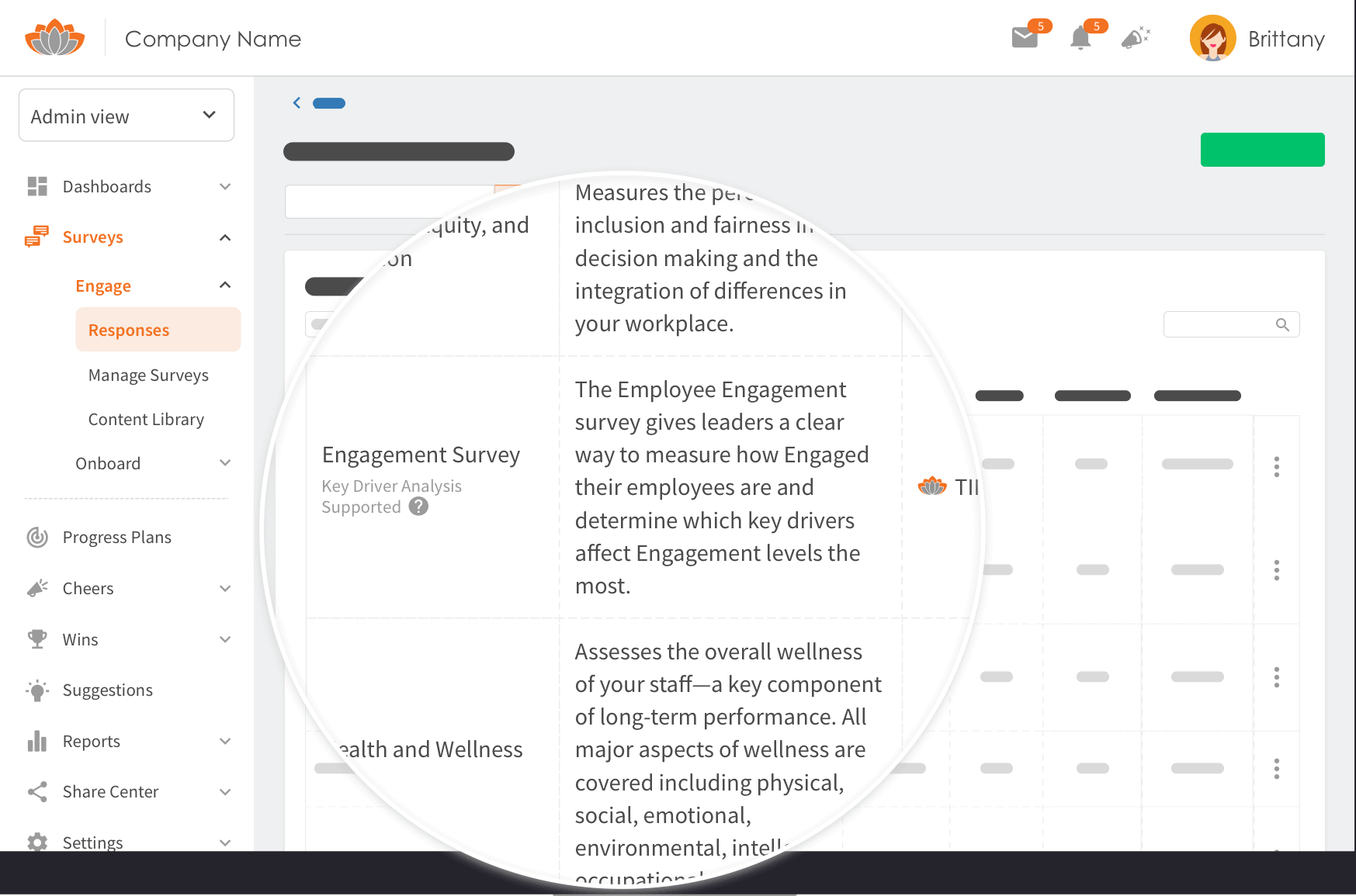
Description
Summary: TINYpulse is a pulse-survey, anonymous feedback, and peer-recognition platform reintroduced March 28, 2024 by WebMD Health Services after a two-year hiatus under the Limeade Listening name. Pricing is quote-only, and the product is best understood as a sub-brand of the WebMD wellbeing portfolio rather than a standalone vendor.
TINYpulse At a Glance
TINYpulse runs short recurring pulse surveys, anonymous feedback with two-way reply, and a "Cheers for Peers" recognition feed. The brand launched in Seattle in 2012, was acquired by Limeade in 2021 and renamed Limeade Listening, then returned to the TINYpulse name on March 28, 2024 after WebMD Health Services acquired Limeade.
tinypulse.com now 301-redirects to WebMD Health Services' engagement page in Portland, Oregon. There is no standalone TINYpulse pricing, customers, or security trust portal; everything is folded into WebMD collateral. Treat TINYpulse as a product line of a larger wellbeing company, not an independent SaaS vendor the way Officevibe or Culture Amp operate.
| Detail | TINYpulse by WebMD Health Services |
|---|---|
| Vendor | WebMD Health Services (a subsidiary of WebMD Health Corp) |
| Operational HQ | 2701 NW Vaughn Street, Suite 700, Portland, Oregon 97210 |
| Original founder | David Niu, Seattle, 2012 (no longer associated) |
| Brand status | Reintroduced March 28, 2024 as a WebMD Health Services product line |
| Pricing | Quote-only, no public price card |
| Customers (vendor-verified) | Microsoft, Galloway and Co., Hollaway Environmental and Communication Services |
| Reach | 23+ languages, 190+ countries (per WebMD engagement page) |
| Compliance | SOC 2 (parent), NCQA Population Health, NCQA Wellness and Health Promotion, URAC Health Website Accreditation |
| Mobile | iOS and Android, plus web |
| Capterra rating | 4.6 out of 5 across 48 reviews |
| G2 rating | Public page restricted; rating not retrievable at time of writing |
TINYpulse Brand History and Current Status
Most third-party articles still describe TINYpulse as a Seattle startup. That is no longer accurate:
- 2012: Founded in Seattle by David Niu
- 2021: Acquired by Limeade and renamed Limeade Listening; original leadership transitions out
- March 2023: Limeade acquired by WebMD Health Services, Portland, Oregon
- March 28, 2024: WebMD retires Limeade Listening, brings TINYpulse back as its engagement product
So when buyers see "TINYpulse" in 2026, the operating company is WebMD Health Services, the office is Portland not Seattle, David Niu is not involved, and the product sits inside a wellbeing portfolio. Capterra and G2 list it as "TINYpulse by WebMD Health Services" to reflect this.
The reintroduction is genuine, not a sunset relaunch. WebMD's engagement page actively promotes TINYpulse-branded pulse surveys, anonymous feedback, and recognition. That said, the /pricing, /customers, and /security URLs from the old tinypulse.com domain are gone. Buyers request trust documentation through WebMD sales rather than download it from a self-serve portal. For a conventional standalone vendor, see Officevibe, Culture Amp, or 15Five.
TINYpulse Pros and Cons
Pros
- Mature anonymous pulse-survey workflow; product in market under one name or another since 2012
- Cheers for Peers recognition feed is genuinely social and adopts without a rewards budget
- 23+ languages and 190+ country reach inherited from WebMD infrastructure, rare for a pulse tool
- Capterra 4.6 out of 5 across 48 reviews holds up well against Officevibe and Lattice (both 4.5)
- SOC 2, NCQA, and URAC posture from WebMD parent is unusually deep for an SMB pulse tool
- iOS, Android, and web apps confirmed via schema.org markup on the product page
Cons
- Quote-only pricing with no public floor; no self-serve comparison versus Officevibe ($5/user/mo) or Bonusly ($3/user/mo)
- No dedicated /pricing, /customers, or /security pages; everything routes through WebMD sales
- Capterra reviewers report "nickel-and-dime" customer-service experiences and inflexible annual licensing
- Maintenance-mode positioning; roadmap is set by WebMD Health Services, not a dedicated TINYpulse team
- GDPR posture not explicitly confirmed on public pages; request the DPA before signing if you have EU employees
- Only three customer names confirmed on WebMD's current engagement page
Who Should Use TINYpulse
TINYpulse fits two narrow buyer profiles in 2026. First, employers already on WebMD Health Services for benefits navigation, wellbeing coaching, or population health programs. Bundling engagement into an existing WebMD contract avoids a separate vendor procurement and uses a single account team. Second, legacy TINYpulse customers from the pre-2021 Seattle era who want to come back; if you already know the Cheers for Peers workflow, the reintroduced product preserves the core experience.
For everyone else, the lack of public pricing, WebMD dependency, and maintenance-mode positioning are real frictions. Buyers shopping the broader employee engagement category on a 2 to 4 week timeline will move faster with Officevibe, 15Five, or Lattice, all of which publish pricing.
How Much Does TINYpulse Cost
TINYpulse pricing is quote-only. Capterra lists it as "Contact vendor." WebMD Health Services does not publish a price card, minimum seat count, or annual floor on its engagement page. No free trial or free tier is disclosed publicly.
Pre-2021 TINYpulse ran three tiers (Engage, Perform, Total Platform) at $5 to $15/user/mo. Those tiers are no longer published; any article quoting them references 2020 pricing. Assume the post-acquisition WebMD model is enterprise-style with custom annual quotes built around headcount and bundled modules.
For procurement benchmarking, comparable pulse tools sit at:
- Officevibe: $5/user/mo annual, 10-user minimum
- 15Five: $4 to $10/user/mo depending on module
- Culture Amp: roughly $4,500/year minimum, scales with headcount
- Lattice: $11 to $14/user/mo depending on bundle
Use those as the anchor when WebMD returns a TINYpulse quote.
TINYpulse Hidden Costs and Contract Notes
Capterra reviewers and the WebMD sales motion flag a few contract patterns worth raising during procurement:
- Annual lock-in: reviewers describe inflexible annual licensing with limited mid-term seat reduction. Negotiate a quarterly true-down clause if headcount fluctuates.
- "Nickel-and-dime" customer service: reviewers report charges for support requests they expected to be included. Ask for the line-item list of in-bundle versus billable items.
- WebMD bundle pressure: sales often positions TINYpulse alongside wellbeing or benefits modules. Get the standalone SKU pricing in writing, not just the bundle figure.
- HRIS provisioning: confirm whether BambooHR, Workday, and Namely sync is provisioning-only or bidirectional, and whether custom field mapping costs extra.
- EU data processing: request the DPA and sub-processor list before signing.
TINYpulse Implementation Plan
Week 1: kickoff with the WebMD implementation team. Confirm whether you are buying standalone TINYpulse or a bundle with WebMD wellbeing modules. Import the employee list via CSV or HRIS connector. Decide pulse cadence; weekly is default, biweekly is common for under-100 organizations.
Week 2: configure the survey question bank, anonymity rules, and Cheers for Peers feed. Connect Slack, Microsoft Teams, Gmail, or Outlook for delivery; in-channel delivery raises response rates significantly versus email-only.
Week 3 to 4: managers get a short walkthrough of the heatmap, anonymous reply workflow, and recognition wall. The first pulse goes out; expect 60 to 80% response rates on the opening survey with active manager push. Month 2 onward, review trend lines monthly with HR and department leads, rotate question themes quarterly, and (if you are in the WebMD ecosystem) layer engagement data alongside biometric screening or coaching utilization data. Time to value is typically 3 to 6 weeks, slightly slower than Officevibe (2 to 4 weeks).
TINYpulse Product Suite
Capterra's integration listing for TINYpulse confirms:
- Communication: Slack, Microsoft Teams, Gmail, Microsoft Outlook
- HRIS: BambooHR, Workday HCM, Namely
- Browser: Google Chrome extension for desktop Cheers for Peers
Mobile apps are confirmed for iOS and Android via schema.org markup on the WebMD engagement page, alongside a web app. WebMD reports reach of 23+ languages and 190+ countries served by its broader platform, which TINYpulse inherits as a sub-brand. The integration list is competent but shorter than Lattice or 15Five, which both expose 30+ public connectors. Buyers with an exotic HRIS or PSA stack should validate availability before signing.
TINYpulse Alternatives
If TINYpulse is on your shortlist, weigh it against:
- Officevibe: closest direct analog at $5/user/mo annual with transparent pricing and Slack delivery
- Culture Amp: enterprise analytics and benchmarking, better for 500+ employees
- 15Five: weekly check-ins plus pulse, deeper manager-coaching content
- Lattice: stronger performance review module bundled in
- Bonusly: monetary peer recognition first, pulse layered on top
- Motivosity: recognition-led engagement, monetary plus social
- Assembly: free tier available, recognition with light surveys
- Engagedly: bundles engagement, performance, and LMS
- WorkTango: enterprise survey plus rewards platform
- Limeade: legacy parent brand pre-WebMD; some contracts still reference it
TINYpulse vs Officevibe. Officevibe wins on price transparency ($5/user/mo annual) and feature breadth around real-time feedback, one-on-ones, and the manager agenda. TINYpulse rates higher on feature score (82/100 vs 78/100 per 6sense), but Officevibe holds larger market share (0.14% vs 0.06%). Pick Officevibe for a clean standalone vendor; pick TINYpulse only if the WebMD wellbeing tie-in matters.
What Real Buyers Report
TINYpulse holds 4.6 out of 5 on Capterra across 48 reviews; a strong rating but a thin review count next to Officevibe (1,000+) or Culture Amp (2,500+). The G2 page returns a 403 at time of writing, so the exact G2 score is not retrievable.
Praise themes: ease of use on the manager side, anonymous feedback with two-way reply, and Cheers for Peers as a low-friction recognition mechanism. Reviewers who used the product through both the Seattle and WebMD eras describe the core workflows as recognizable. Criticism themes: inflexible annual licensing, "nickel-and-dime" customer-service charges on add-on requests, and a slower roadmap cadence under WebMD than the product had in 2018 to 2020.
Bottom Line
TINYpulse is alive in 2026, but as a product line of WebMD Health Services in Portland rather than the Seattle pulse-survey startup that built the brand between 2012 and 2021. The March 2024 reintroduction is genuine, the Capterra 4.6 out of 5 rating is real, and SOC 2, NCQA, and URAC posture inherited from the WebMD parent is unusually deep for an SMB-targeted pulse tool.
The cautions are equally real. Pricing is quote-only with no public floor. There is no dedicated trust portal, customers page, or pricing page; everything routes through WebMD sales. Reviewers flag annual lock-in and incremental support charges. GDPR posture is not explicitly confirmed publicly.
Shortlist TINYpulse if you are already a WebMD customer and want engagement bundled with wellbeing. For everyone else, Officevibe for SMB and mid-market, Culture Amp for enterprise analytics, or 15Five for engagement plus performance check-ins will be faster, more transparent, and easier to procure. Browse the full employee engagement category for 40+ alternatives.
Frequently Asked Questions
How much does TINYpulse cost in 2026?
Who is TINYpulse for?
How does TINYpulse compare to Officevibe?
Does TINYpulse have a free trial?
Is TINYpulse good for healthcare?
What integrations does TINYpulse support?
Is TINYpulse SOC 2 compliant?
Does TINYpulse have a mobile app?
What languages does TINYpulse support?
Is TINYpulse part of a larger HR suite?
Find Your Perfect Software
Answer a few quick questions to get matched
You're all set!
A specialist for will reach out within 1 business day with tailored recommendations for your needs.