

Silverfin
by Silverfin
What is Silverfin?
Get Best Quote for Silverfin
Connect with SaaSrat experts to get the best quote for your business.
You're all set!
A specialist for Silverfin will reach out within 1 business day.
Silverfin Features
Automated data entry
Real time collaboration
Customizable reporting
Client management
Workflow automation
Data integration
View All 31 Features
Silverfin Screenshots
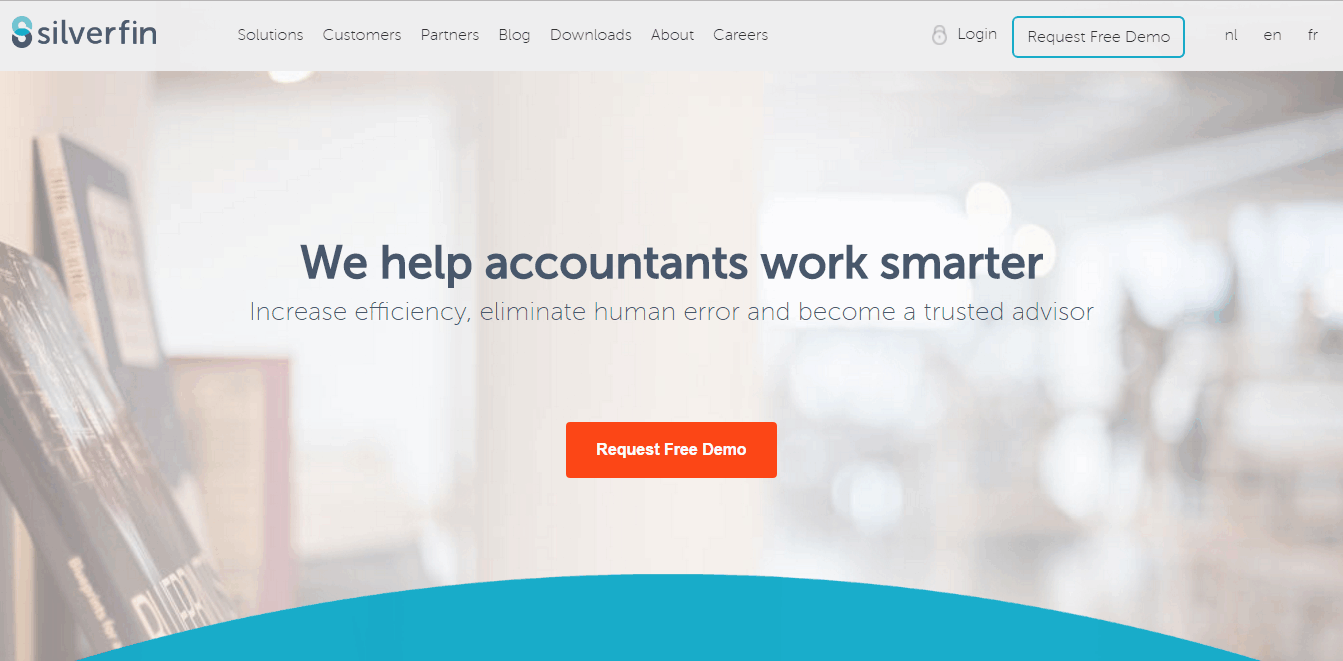
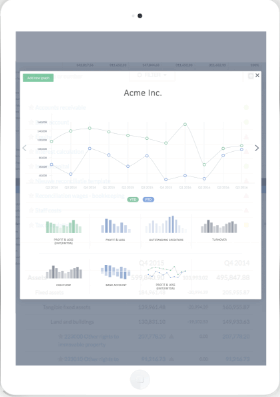
Description
Silverfin is a cloud-based financial close and reporting platform developed by Silverfin NV, a Belgian fintech company founded in 2013 in Ghent. The software operates entirely in the cloud with browser-based access, enabling real-time collaboration between accountants, auditors, and clients without desktop installations or VPN requirements.
The platform serves over 1,500 accounting and bookkeeping firms across Europe, the United States, and Australia, with particular strength in mid-sized practices managing 50 to 500 client entities. Primary industries include professional services firms, multi-location retail chains, and manufacturing groups requiring consolidated financial statements across subsidiaries.
Core Features of Silverfin
Silverfin's invoicing and data ingestion engine connects directly to accounting software like Xero, QuickBooks, Exact, and Sage, pulling trial balance data automatically. The platform's reconciliation templates match transactions against bank feeds and prior-period comparatives, flagging discrepancies that would otherwise require manual detective work during month-end close cycles.
The financial reporting module offers pre-configured templates for balance sheets, P&L statements, cash flow reports, and notes compliant with IFRS, US GAAP, UK FRS 102, Belgian GAAP, and 15+ other frameworks. Users can generate consolidated group reports that automatically eliminate intercompany transactions between parent companies and subsidiaries?a task that typically requires complex Excel formulas and high error risk in traditional workflows.
Silverfin includes specialized modules for tax provisioning, audit file generation in XBRL and iXBRL formats, and custom analytical dashboards. The platform's Liquid templating language allows firms to build reusable calculation logic for industry-specific metrics like same-store sales growth for retailers or EBITDA adjustments for private equity portfolio companies, ensuring consistency across client engagements.
Key Highlights
- Market Position: Used by over 1,500 accounting firms globally with notable adoption among Top 100 firms in Belgium and the Netherlands.
- Target Users: Accounting firms, audit practices, corporate finance teams managing multi-entity groups, and bookkeeping service bureaus handling 10+ concurrent client portfolios.
- Deployment: Cloud-only SaaS platform accessible via web browser with role-based permissions for partners, managers, staff accountants, and client view-only access.
- Standout Feature: Library of 1,000+ pre-built financial statement templates mapped to country-specific chart of accounts and regulatory filing formats including Belgian NBB, Dutch RJ, UK Companies House, and Australian ASIC requirements.
- Integrations: 50+ native connectors including Xero, QuickBooks Online, Sage Intacct, Exact Online, Dext, AutoEntry, and Silverfin's open API for custom data pipelines.
- Pricing Model: Per-user subscription starting at ?49/month for single practitioners with tiered plans (Professional, Business, Enterprise) scaling based on client count and advanced features; 14-day free trial available.
- Support: Email and in-app chat support, comprehensive help center with video tutorials, dedicated customer success managers for Enterprise clients, and regional onboarding webinars.
- Compliance & Security: SOC 2 Type II certified, GDPR compliant with EU data residency options, AES-256 encryption at rest and TLS 1.3 in transit, annual third-party penetration testing.
Who Should Use Silverfin
Silverfin is purpose-built for accounting and audit firms serving 10 to 500 clients simultaneously, particularly those dealing with complex group structures or multi-jurisdictional reporting. It excels in industries like professional services, hospitality groups, franchises, and family offices where consolidated financials and variance analysis consume significant partner time each quarter.
A typical use case involves a 20-person bookkeeping firm managing 150 SMB clients across retail and hospitality sectors. Each month, staff accountants pull trial balances from clients' Xero or QuickBooks accounts into Silverfin, apply standardized reconciliation templates for bank accounts and inventory, generate management reports with custom KPIs like revenue per location, and route finalized statements to partners for review?all within a centralized audit trail that eliminates version control chaos from email attachments.
Integrations & Ecosystem
Silverfin maintains over 50 direct integrations with leading accounting platforms including Xero, QuickBooks Online, Sage Business Cloud, Exact Online, Twinfield, and MYOB. The platform offers RESTful API access and webhooks for custom integrations, enabling firms to connect proprietary ERP systems or industry-specific software like property management platforms for real estate clients. A notable integration is the bi-directional sync with Dext and AutoEntry for automated receipt capture and expense coding?a workflow optimization rarely found in traditional financial consolidation tools.
Pricing & Plans
Silverfin's pricing follows a user-based subscription model starting at ?49 per user per month for the Professional plan, which includes unlimited client files and standard reporting templates. The Business plan at ?79/user/month adds advanced consolidation features, custom template building with Liquid code, and priority support. Enterprise pricing is custom-quoted based on user count, client volume, and API usage, with annual contracts offering approximately 15% savings. A 14-day free trial grants access to all Professional-tier features without requiring credit card details upfront.
Pros & Cons
Pros
- Template Library Depth: The 1,000+ pre-built templates covering country-specific GAAP frameworks and regulatory filing formats eliminate months of initial setup work that competing platforms require, letting firms deploy standardized reporting processes across clients within days instead of quarters.
- Multi-Entity Consolidation Automation: Automatic intercompany elimination and currency translation for group structures remove the manual spreadsheet gymnastics that typically introduce calculation errors during consolidation cycles, particularly valuable for firms serving private equity clients with complex holding company hierarchies.
- Audit Trail Granularity: Every data adjustment, template modification, and report generation is logged with timestamps and user attribution, creating a defensible audit trail that satisfies stringent quality control standards for firms subject to PCAOB or ICAEW practice monitoring reviews.
Cons
- Learning Curve for Customization: Building custom templates requires knowledge of Silverfin's proprietary Liquid templating language, creating a dependency on specialized training or technical staff?a barrier for smaller firms without dedicated IT resources or willingness to invest 20+ hours in developer documentation.
- Limited Direct Client Collaboration: While clients can access view-only dashboards, the platform lacks robust two-way communication features like task assignment or document request workflows found in practice management suites, forcing firms to maintain separate tools like Karbon or Financial Cents for client engagement coordination.
Our Expert Take
Silverfin is the optimal choice for mid-sized accounting firms (15-100 staff) managing diverse client portfolios that demand consistent, auditable financial reporting across multiple jurisdictions. Its template-driven approach and consolidation automation deliver measurable ROI for practices where partners currently spend 10+ hours monthly reviewing spreadsheet-based financials, particularly those serving franchise groups, real estate holding companies, or international subsidiaries requiring statutory filings in Belgium, Netherlands, UK, or Australia.
Solo practitioners and firms primarily serving simple single-entity clients may find Silverfin's depth overkill and its per-user pricing uncompetitive against lighter alternatives. Bookkeeping firms focused on basic monthly financials for local SMBs should consider Fathom or Spotlight Reporting instead?both offer simpler interfaces and lower-cost entry points without requiring Liquid coding skills for customization. Silverfin's true value emerges only when managing complexity at scale.
Frequently Asked Questions
Is there a free plan or free trial for Silverfin?
How much does Silverfin cost?
What does Silverfin integrate with?
Who is Silverfin best for?
What are the best alternatives to Silverfin?
Is Silverfin GDPR / SOC 2 compliant?
Does Silverfin have a mobile app?
What do real users say about Silverfin?
How does Silverfin compare to its top competitor?
Does Silverfin offer customer support?
Find Your Perfect Software
See how it can transform your workflow
- Personalized for your needs Tailored recommendations based on your unique requirements.
- Save time & resources Streamline your workflow and boost team productivity.
- Trusted by thousands Join 10,000+ businesses already growing with SaaSrat.
You're all set! 🎉
A specialist for will reach out within 1 business day with tailored recommendations for your needs.