

What is Lightspeed Retail?
Get Best Quote for Lightspeed Retail
Connect with SaaSrat experts to get the best quote for your business.
You're all set!
A specialist for Lightspeed Retail will reach out within 1 business day.
Lightspeed Retail Features
Inventory management
Sales reporting
Customer management
Multi store management
Employee management
E commerce integration
View All 57 Features
Lightspeed Retail Pricing Plans
Basic
- Core POS and checkout
- Basic inventory management
- 1 register included
- Sales reporting
- Lightspeed Payments integration
- Billed annually
Core
- Everything in Basic
- Advanced inventory management
- Purchase orders and vendor management
- Matrix inventory (size and color variants)
- Additional registers
- Billed annually
Plus
- Everything in Core
- Full ecommerce integration
- Priority support
- Advanced analytics and reporting
- Multi-location management
- Billed annually
Enterprise
- Custom pricing for retail chains
- Dedicated account management
- Implementation support
- Highest-tier reporting and analytics
- Multiple locations
Lightspeed Retail Resources
Lightspeed Retail Screenshots
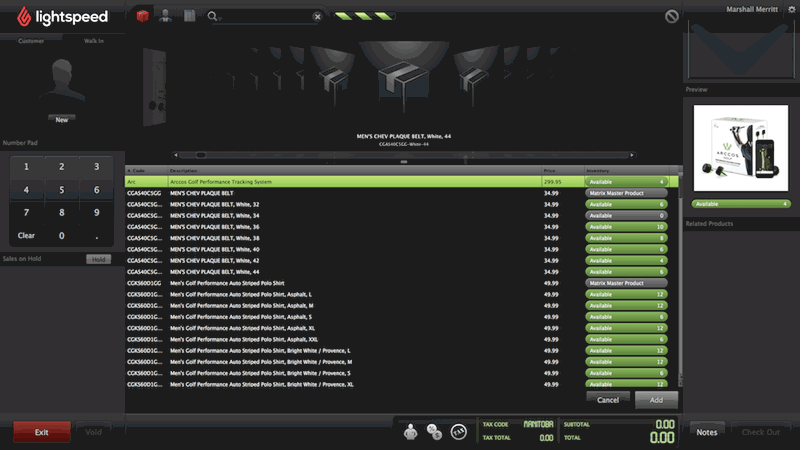
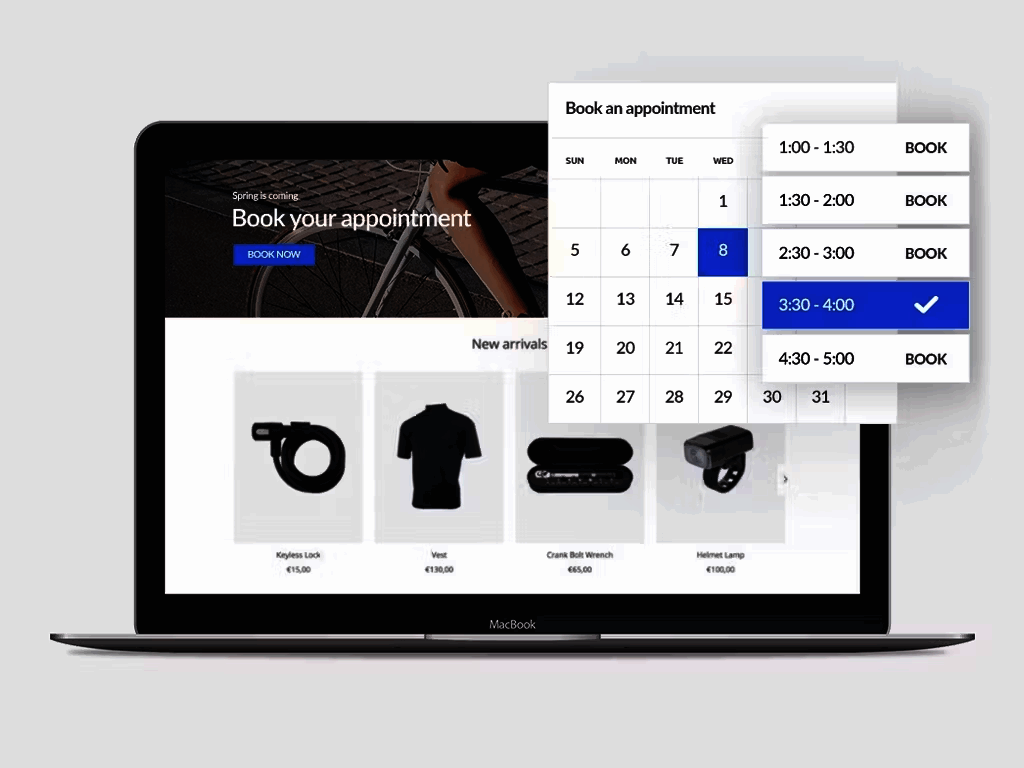
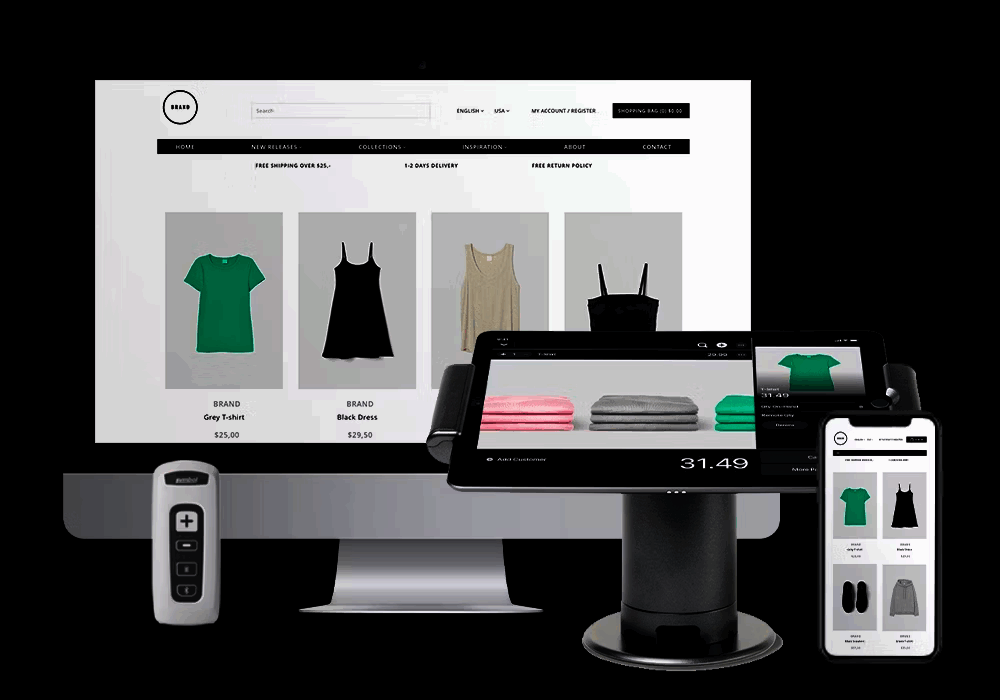
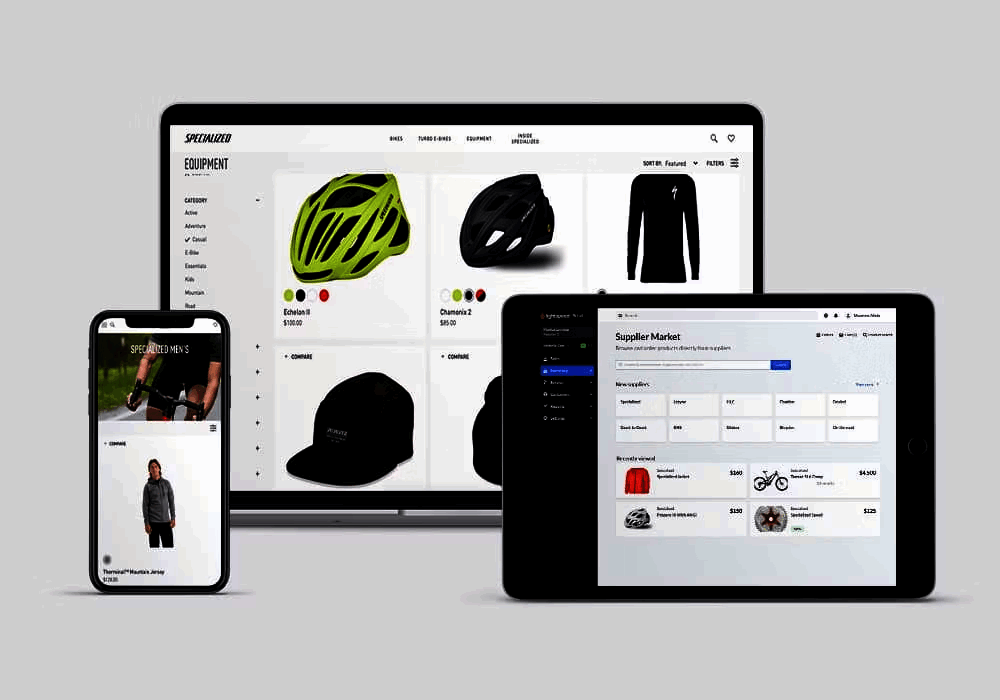
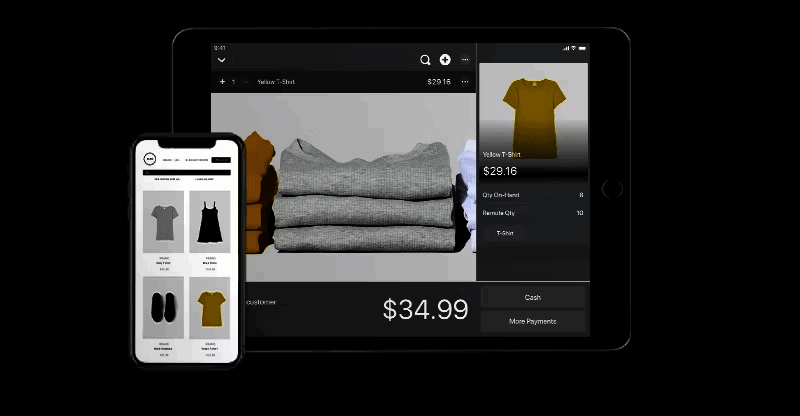
Description
Who Should Use Lightspeed Retail?
Lightspeed Retail is designed for specialty and independent retailers with product catalogs that go beyond simple item-and-price lists. It is a strong fit for:
- Bike shops managing serialized inventory, repair orders, and warranty tracking
- Apparel and footwear retailers working with size-color-style matrix variants
- Pet supply stores with high SKU counts and vendor purchase order workflows
- Sporting goods shops tracking equipment, rentals, and service orders
- Multi-location retail chains that need centralized purchasing and reporting
- Retailers who want a built-in online store on the same database as their POS
Lightspeed Retail Key Features
Lightspeed Retail combines the features a specialty retailer needs for daily operations, inventory management, and customer engagement.
- Matrix inventory: Manage products with multiple variants (size, color, style) as a single matrix grid. Add variants in bulk and track stock counts per combination across all locations.
- Purchase orders and receiving: Create purchase orders directly in the system, send them to vendors, and receive shipments against the PO to update inventory automatically. Partial receives and back-orders are supported.
- Multi-location management: Transfer stock between stores, view inventory levels across all locations in real time, and pull consolidated sales reports for the entire chain from one dashboard.
- Built-in ecommerce: Lightspeed includes an integrated online store that shares the same product catalog and inventory as the POS. Selling online does not require a separate platform or sync configuration.
- Customer management: Store customer profiles with purchase history, contact details, and loyalty points. Set up customer-specific pricing for wholesale accounts or VIP buyers.
- Advanced reporting: View sell-through rates, COGS, average basket value, and inventory aging reports. Identify slow-moving stock and top-performing products by location or date range.
- Repair and work orders: Log items left for service, assign work orders to staff, track parts used, and bill for labor at pickup. Useful for bike shops, electronics retailers, and similar service categories.
- Lightspeed Payments: Integrated payment processing with chip, tap, and swipe support. Processes major card brands with no third-party gateway required.
- Accounting integrations: Connects to Xero and QuickBooks Online for automatic export of sales, tax, and payment data.
Lightspeed Retail Pricing Plans
Lightspeed Retail pricing is based on plan tier and available on the vendor website. Plans are billed annually. Contact the Lightspeed sales team for current pricing specific to your store count and feature requirements, as pricing varies by market and scale.
- Basic: Entry-level plan with core POS, inventory, and reporting. Includes one register. Contact Lightspeed for current pricing.
- Core: Adds advanced inventory features, purchase orders, and additional registers. Contact Lightspeed for current pricing.
- Plus: Full-featured plan with all advanced tools, priority support, and highest-tier reporting. Contact Lightspeed for current pricing.
- Enterprise: Custom pricing for retail chains and high-volume operations. Includes dedicated account management and implementation support.
How Does Lightspeed Retail Compare?
Lightspeed Retail is positioned for specialty retailers who need more inventory depth than general-purpose POS systems offer. Where Square for Retail and Shopify POS are built around simplicity and ease of entry, Lightspeed is built around the operational complexity of multi-variant, multi-vendor inventory. A retailer managing 5,000 SKUs across three stores with active vendor purchase order cycles will find Lightspeed's tools fit more naturally than the inventory features in lighter platforms.
The trade-off is price and setup time. Lightspeed is a higher monthly investment than most free-entry competitors, and getting inventory data configured correctly at launch requires more effort. For a retailer with a simple catalog who processes straightforward sales, the additional capability may not justify the additional cost.
The main alternatives in the retail POS software category include Square POS, which starts free with simpler inventory, and Shopify POS, which integrates tightly with the Shopify ecommerce platform. Restaurant operators typically choose Aloha POS for their specific workflows rather than a general-purpose retail POS.
Lightspeed Retail Integrations
Lightspeed connects to 250+ apps through its integration marketplace. Key categories include accounting (Xero, QuickBooks Online), marketing (Mailchimp, Campaign Monitor), loyalty (Marsello, AppCard), ecommerce (Lightspeed's own built-in store, plus connections to Google Shopping and Facebook Shops), and staff scheduling (Deputy, 7shifts). An open API allows developers to build custom integrations for industry-specific tools not covered by the marketplace.
Lightspeed Retail connects to accounting software including QuickBooks, billing tools, and ecommerce platforms. Larger retail operations also integrate with ERP systems for full inventory and financial visibility. For payment processing, retailers often add a dedicated solution like Worldpay. Our guide to accounting software for ecommerce retailers covers complementary tools for omnichannel merchants.
Lightspeed Retail Mobile App
Lightspeed Retail is designed for iPad and runs as a native iOS app. Store staff use it at the counter or move it to the floor for mobile lookup and sales. The app supports barcode scanning via the iPad camera or a paired Bluetooth scanner, inventory search, and customer lookup. For managers, a separate mobile app provides access to sales dashboards and inventory reports from any device. Lightspeed also supports compatible receipt printers, cash drawers, and barcode scanners via Bluetooth or wired connection.
Lightspeed Retail Customer Support
Lightspeed provides 24/7 phone and chat support on all plans. Higher tiers include priority queue access and a dedicated onboarding specialist for new accounts. The Lightspeed help center has detailed documentation for inventory setup, hardware configuration, and ecommerce integration. Retailers with complex catalog imports can work with the Lightspeed team during the setup phase to migrate existing data. A community forum provides peer support for common workflows across industry verticals.
Lightspeed Retail Data Security
Lightspeed Retail is PCI DSS compliant and processes payments through Lightspeed Payments, which uses end-to-end encryption for all card transactions. Data is stored on cloud servers with regular backups and redundancy. Two-factor authentication is available for all staff logins. Lightspeed operates across North America and Europe with data handling practices aligned to GDPR where applicable. Retailers processing customer data across international locations can configure privacy settings within the platform.
Lightspeed Retail Ease of Setup
Lightspeed assigns an onboarding specialist to new accounts on most plans. The setup process typically takes one to two weeks for a single-location retailer with an existing inventory catalog. Bulk product import via CSV speeds up catalog entry for stores migrating from another POS. Hardware ships preconfigured and is plug-and-play with the POS app. Multi-location retailers with complex configurations may work through a longer implementation period with the Lightspeed team, particularly when migrating historical purchasing and vendor data.
What Real Buyers Report About Lightspeed Retail
Nirula Patel reviewed Lightspeed Retail with a focus on inventory management, reporting, and the multi-location workflow. The matrix inventory editor is the standout feature for specialty retailers: setting up a product with 12 size-and-color combinations takes a fraction of the time it would in a system that treats each variant as a separate item. Purchase order management is detailed enough for retailers who deal with multiple vendors and seasonal orders, covering partial receives and back-order tracking without workarounds. Retailers in categories like cycling and outdoor gear frequently report that repair and work order tracking covers their service business alongside the retail floor. The consistent friction point raised by smaller retailers is the monthly cost: Lightspeed is priced at a level that makes sense for multi-location specialty stores but can feel high for a single-location shop with a small catalog that does not need the advanced inventory depth.
Lightspeed Retail Pros and Cons
Pros:
- Matrix inventory handles size-color-style variants natively without workarounds
- Purchase orders, vendor management, and receiving workflows are built in
- Multi-location stock management and centralized reporting out of the box
- Built-in ecommerce on the same database as the POS
- Repair and work order tracking for service-oriented specialty retail
Cons:
- Higher monthly cost than general-purpose POS systems
- Longer setup time, especially for large catalog imports
- Primary hardware is iPad-based; less flexible for non-Apple setups
- Pricing not publicly listed; requires contact with sales
Is Lightspeed Retail Worth It?
Lightspeed Retail is worth the investment for specialty retailers who regularly deal with matrix inventory, purchase orders, and multi-location stock management. A bike shop, apparel store, or sporting goods retailer with 2,000+ SKUs will recoup the cost in reduced inventory errors and time savings on receiving and purchasing alone. Single-location shops with simple catalogs doing under $500K in annual revenue may find that a lighter platform at a lower monthly cost handles their day-to-day needs just as well. The deciding factor is usually inventory complexity: the more complex your products and vendor relationships, the more clearly Lightspeed Retail earns its place in your budget.
Independent retailers building their full tech stack can also review our guide to accounting software for small businesses alongside evaluating their POS investment.
Frequently Asked Questions
Is there a free plan or free trial for LightSpeed?
How much does LightSpeed cost?
What does LightSpeed integrate with?
Who is LightSpeed best for?
What are the best alternatives to LightSpeed?
Is LightSpeed GDPR / SOC 2 compliant?
Does LightSpeed have a mobile app?
What do real users say about LightSpeed?
How does LightSpeed compare to its top competitor?
Does LightSpeed offer customer support?
Find Your Perfect Software
See how it can transform your workflow
- Personalized for your needs Tailored recommendations based on your unique requirements.
- Save time & resources Streamline your workflow and boost team productivity.
- Trusted by thousands Join 10,000+ businesses already growing with SaaSrat.
You're all set! 🎉
A specialist for will reach out within 1 business day with tailored recommendations for your needs.