

LedgerSMB
by LedgerSMB
What is LedgerSMB?
Get Best Quote for LedgerSMB
Connect with SaaSrat experts to get the best quote for your business.
You're all set!
A specialist for LedgerSMB will reach out within 1 business day.
LedgerSMB Features
General ledger
Accounts receivable
Accounts payable
Multi currency
Inventory management
Order processing
View All 33 Features
LedgerSMB Resources
LedgerSMB Screenshots
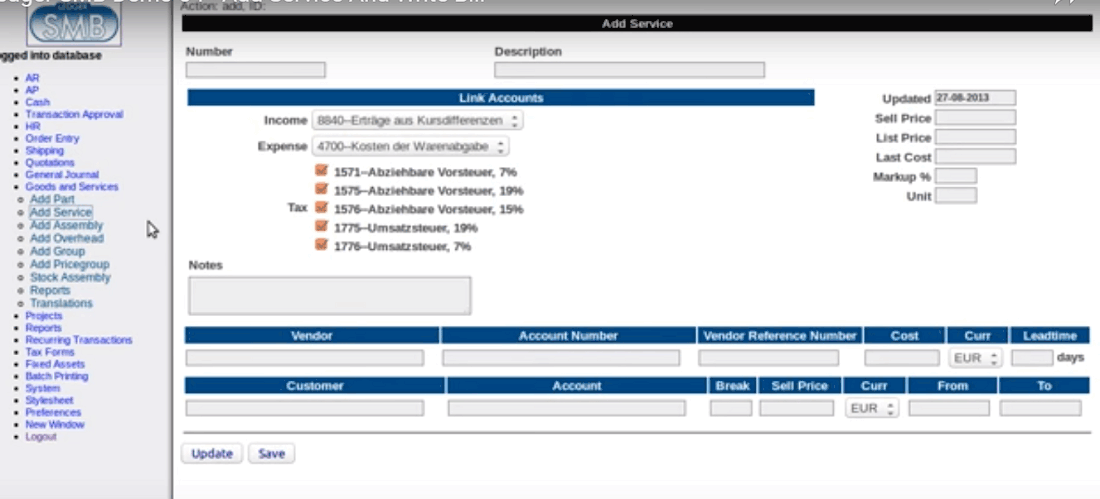
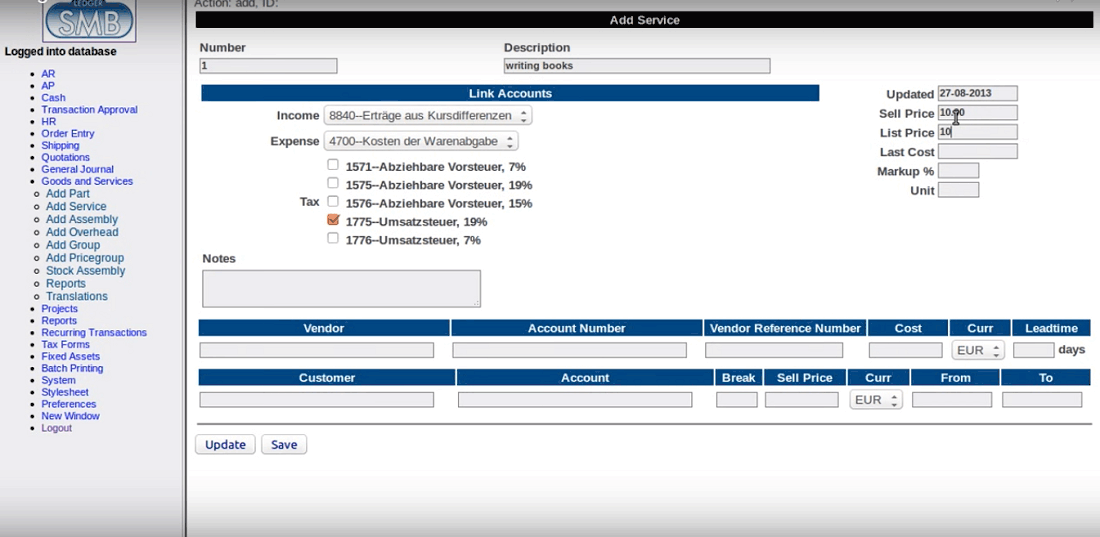
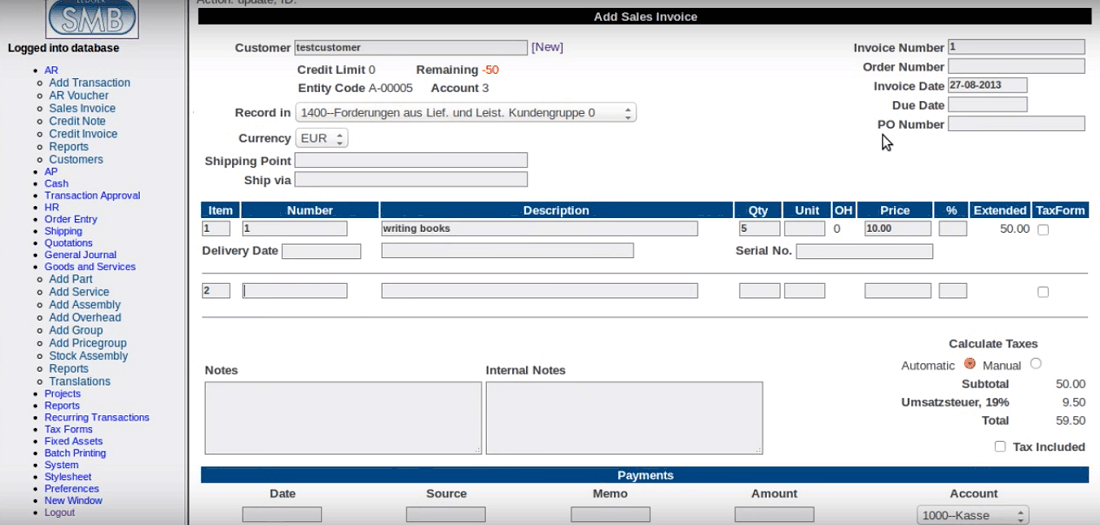
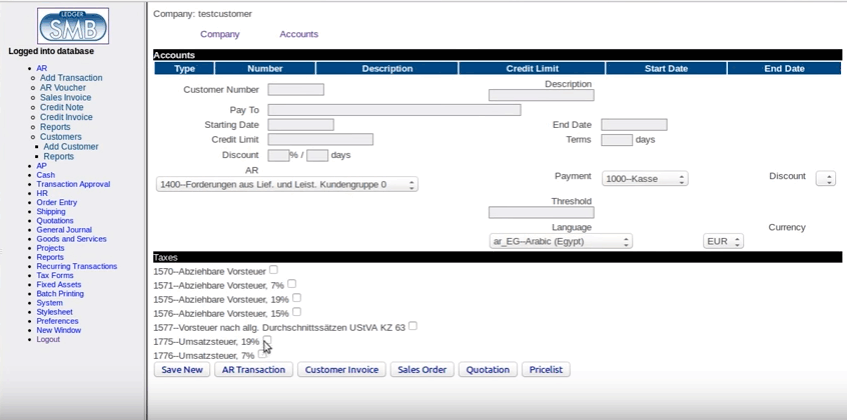
Description
LedgerSMB is an open-source accounting software and ERP system built on PostgreSQL database architecture, developed for small to medium-sized businesses seeking financial management without proprietary software costs. Originally forked from SQL-Ledger in 2006, the platform provides web-based access to core accounting functions with complete source code transparency. Businesses can deploy on-premise or through cloud hosting with full control over their financial data and system modifications.
The software serves a global user base of cost-conscious SMBs, nonprofits, and organizations requiring customizable accounting solutions across manufacturing, retail, and service industries. LedgerSMB operates primarily in North America and Europe, with growing adoption in regions where open-source business software aligns with budget constraints and data sovereignty requirements. The active developer community maintains regular updates and security patches through collaborative open-source development.
Core Features of LedgerSMB
LedgerSMB delivers comprehensive invoicing and billing through customizable templates supporting multiple currencies, tax rules, and payment terms. Businesses can generate recurring invoices automatically for subscription or retainer-based revenue models while tracking payment status across customer accounts. The system integrates payment processing with bank reconciliation workflows for streamlined cash management.
The financial reporting engine produces balance sheets, income statements, and trial balances using double-entry accounting principles enforced at the database level through PostgreSQL constraints. Report generation includes drill-down capabilities allowing users to trace summary figures back to original transaction entries for audit transparency. Custom report templates can be created using built-in tools or SQL queries for specialized analysis needs.
Inventory management tracks stock levels, costs, and movements across multiple warehouse locations with perpetual inventory valuation methods including FIFO and weighted average costing. The system links inventory transactions directly to general ledger accounts ensuring accurate cost of goods sold calculations without manual journal entries. Purchase order management connects procurement workflows to inventory receiving and accounts payable processes.
Key Highlights
- Market Position: Established open-source accounting project since 2006 with active community contributions and nearly two decades of production deployments worldwide.
- Target Users: Small to medium businesses, nonprofits, and organizations with 5-100 employees seeking cost-effective ERP with customization capabilities for finance teams and bookkeepers.
- Deployment: Self-hosted on Linux servers or cloud infrastructure with web browser access, requiring PostgreSQL database and basic server administration knowledge.
- Standout Feature: Complete source code access allows businesses to modify accounting workflows, add custom modules, and integrate proprietary systems without vendor permission or additional licensing.
- Integrations: Limited pre-built integrations; connects primarily through CSV import/export, PostgreSQL database access, and RESTful API for custom development with payment gateways and e-commerce platforms.
- Pricing Model: Free open-source software under GNU GPL license with zero licensing fees; costs limited to hosting infrastructure, implementation services, and optional commercial support contracts.
- Support: Community forums, IRC chat, mailing lists, and documentation wiki; commercial support available through third-party service providers offering installation, training, and customization services.
- Compliance & Security: Database-level security through PostgreSQL role-based access controls, audit trails on all transactions, supports multi-currency and regional tax requirements through configurable tax tables.
Who Should Use LedgerSMB
LedgerSMB serves manufacturing companies, wholesale distributors, and service businesses with 10-50 employees requiring integrated accounting and inventory management without monthly SaaS fees. Organizations with in-house IT staff or technical founders benefit most from the platform's customization potential and self-hosting requirements. Nonprofits and cooperatives seeking data sovereignty and budget-conscious financial systems find particular value in the zero-licensing model.
A 25-person specialty food distributor managing 500 SKUs across three warehouse locations uses LedgerSMB to track purchase orders, inventory movements, and customer invoicing while generating financial statements for bank reporting requirements. The company customized order approval workflows through source code modifications and integrated barcode scanning for receiving processes without paying software vendors for feature additions.
Integrations & Ecosystem
LedgerSMB offers approximately 15-20 integration points primarily through file-based imports, database connections, and a developing RESTful API for programmatic access to financial data. Direct PostgreSQL database access enables custom integrations with CRM systems, e-commerce platforms, and business intelligence tools through SQL queries or middleware applications. Notable capabilities include LaTeX-based document generation for professional invoice templates and payment gateway connections through third-party modules for Stripe and PayPal processing.
Pricing & Plans
LedgerSMB operates under the GNU General Public License with no subscription tiers or usage limits?businesses download and deploy the software at zero licensing cost. Total cost of ownership includes server hosting ranging from $20-200 monthly for cloud infrastructure depending on transaction volume and user count, plus optional implementation services from $1,000-10,000 for initial setup and training. Commercial support contracts through authorized providers typically range $500-3,000 annually for priority assistance and customization consulting.
Pros & Cons
Pros
- Zero Licensing Fees: Completely free open-source software eliminates recurring subscription costs and per-user fees, making it highly cost-effective for businesses with technical resources to manage self-hosted deployment and maintenance.
- Full Customization Control: Access to complete source code enables businesses to modify workflows, add features, and create industry-specific modules without vendor approval or additional charges, providing unprecedented flexibility for unique requirements.
- Data Ownership Security: Self-hosted deployment ensures complete control over financial data with no third-party vendor access, addressing data sovereignty concerns and allowing custom backup and disaster recovery procedures tailored to business policies.
Cons
- Technical Setup Complexity: Installation and configuration require Linux server administration knowledge, PostgreSQL database management skills, and ongoing system maintenance responsibilities that may exceed capabilities of businesses without dedicated IT staff.
- Limited Pre-Built Integrations: Sparse native connections to modern cloud services, payment processors, and e-commerce platforms necessitate custom development work or manual data imports compared to competitor products offering hundreds of ready-made integrations.
Our Expert Take
LedgerSMB represents the optimal choice for technically proficient small businesses and nonprofits prioritizing cost savings, data ownership, and customization freedom over user experience polish and turnkey deployment. Organizations with existing Linux infrastructure, PostgreSQL expertise, or development resources will extract maximum value from the platform's open architecture. The zero-licensing model makes it particularly compelling for budget-constrained operations willing to invest setup time upfront for long-term cost elimination.
Businesses lacking technical staff, requiring mobile apps, or needing extensive third-party integrations should avoid LedgerSMB due to setup complexity and integration limitations. Consider Zoho Books or Wave Accounting instead for user-friendly cloud solutions with native mobile access, automated bank feeds, and hundreds of pre-built connections that eliminate custom development requirements. Fast-growing companies may outgrow LedgerSMB's feature set and find migration to modern cloud platforms necessary as complexity increases.
Frequently Asked Questions
Is there a free plan or free trial for LedgerSMB?
How much does LedgerSMB cost?
What does LedgerSMB integrate with?
Who is LedgerSMB best for?
What are the best alternatives to LedgerSMB?
Is LedgerSMB GDPR / SOC 2 compliant?
Does LedgerSMB have a mobile app?
What do real users say about LedgerSMB?
How does LedgerSMB compare to its top competitor?
Does LedgerSMB offer customer support?
Find Your Perfect Software
See how it can transform your workflow
- Personalized for your needs Tailored recommendations based on your unique requirements.
- Save time & resources Streamline your workflow and boost team productivity.
- Trusted by thousands Join 10,000+ businesses already growing with SaaSrat.
You're all set! 🎉
A specialist for will reach out within 1 business day with tailored recommendations for your needs.