Nintex
by Nintex
What is Nintex?
Get Best Quote for Nintex
Connect with SaaSrat experts to get the best quote for your business.
You're all set!
A specialist for Nintex will reach out within 1 business day.
Nintex Features
Document generation
Workflow automation
Esignature integration
Template management
Version control
Collaboration tools
View All 57 Features
Nintex Pricing Plans
Standard Edition
- Unlimited Users for 5 workflows/month
- Nintex Advanced Workflow
- Nintex Forms
- Nintex DocGen
- Nintex Mobile App
- FREE Connectors & Xtensions
- Simple Forms & Workflows
- Nintex Sign
- Standard Support
Enterprise Edition
- All Features in Standard Edition Plus
- Nintex Hawkeye Process Intelligence
- Nintex App Studio
- Premium Support
Nintex Resources
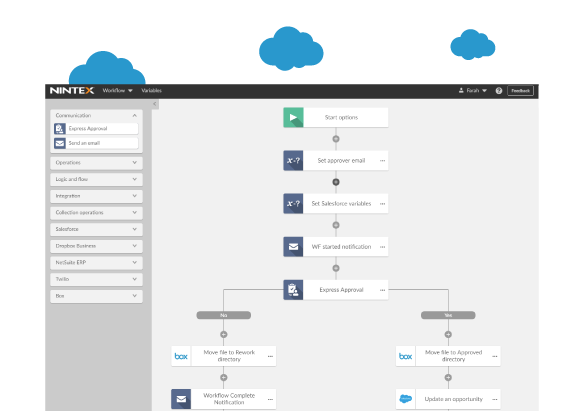
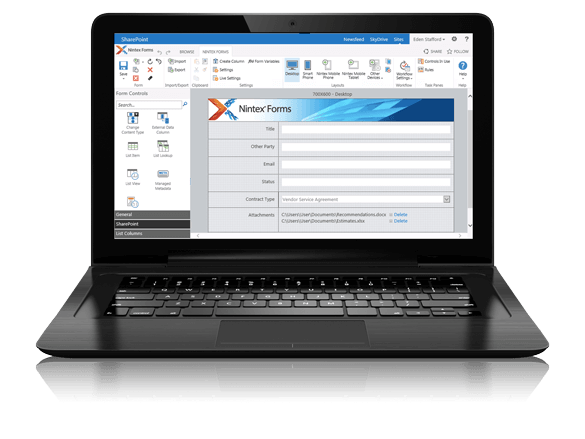
Nintex Screenshots
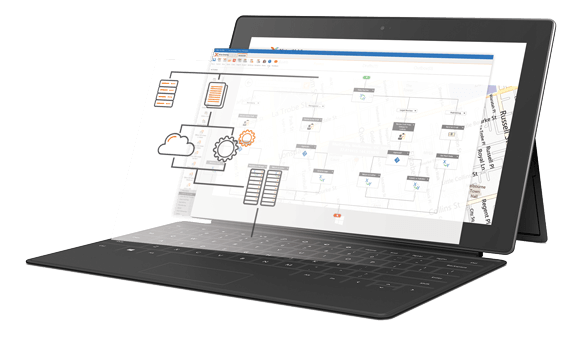
Description
Nintex at a Glance
| Best for | Mid-market and enterprise organizations needing process automation across workflow, process management, application development, document automation, eSign, and RPA with cloud, self-hosted, or Salesforce deployment options |
|---|---|
| Deployment | Cloud (Nintex Automation CE), Self-Hosted (Nintex Automation K2), and Salesforce (Nintex for Salesforce) |
| Starting price | Contact Vendor (enterprise pricing scoped by deployment model, user count, and module bundle) |
| Key strengths | Orchestrates people plus systems plus AI agents, three deployment models (cloud, self-hosted, Salesforce), full automation stack (workflow through RPA), enterprise process automation depth |
| Not ideal for | Very small businesses where simpler workflow tools cover the workflow, or organizations wanting only narrow single-tool automation without broader process management context |
Nintex Overview
Nintex is an enterprise process automation platform that orchestrates people, systems, and AI agents for effortless efficiency. The vendor positions itself around orchestration rather than being a narrow single-tool workflow product.
The platform offers three distinct deployment models: Cloud (Nintex Automation CE), Self-Hosted (Nintex Automation K2), and Salesforce (Nintex for Salesforce). Buyers pick the model that fits their infrastructure, compliance, and ecosystem alignment.
Nintex Automation CE (Cloud) covers the full automation stack: Workflow, Process Management, Application Development, Document Automation, eSign, and Robotic Process Automation. This is the platform for organizations wanting cloud-first process automation.
Nintex Automation K2 (Self-Hosted) delivers low code process automation for organizations with data residency, compliance, or existing infrastructure commitments that require self-hosted deployment.
Nintex for Salesforce provides native process automation inside the Salesforce ecosystem for Salesforce-heavy organizations wanting Nintex process depth alongside their CRM investment.
Capabilities and Named Features
The Nintex thesis is that enterprise process automation has moved beyond single-tool workflow into orchestration of people, systems, and AI agents, and platforms that combine these into effortless efficiency deliver real productivity gains at scale.
The three-deployment model matters strategically. Cloud-only automation platforms cannot serve organizations with data residency or compliance requirements that require self-hosted deployment; self-hosted-only platforms cannot serve organizations wanting cloud economics. Nintex covers both plus Salesforce-native.
Nintex Automation CE (Cloud) delivers the full automation stack on one platform: Workflow (business process automation), Process Management (documented process governance), Application Development (low-code app building), Document Automation (document generation and management), eSign (electronic signatures), and Robotic Process Automation (RPA for legacy system automation).
The consolidated stack matters because enterprise automation historically required separate workflow, low-code development, document automation, eSign, and RPA vendors. Consolidating on one platform reduces integration overhead and licensing complexity.
Nintex Automation K2 (Self-Hosted) is the low-code automation platform for organizations that cannot deploy in the cloud. Data residency, compliance, or existing infrastructure investments drive self-hosted deployment choices, and K2 serves those buyers with the same platform philosophy.
Nintex for Salesforce embeds process automation natively in the Salesforce ecosystem. Salesforce-heavy organizations get Nintex process automation without leaving the Salesforce platform.
The people plus systems plus AI agents orchestration captures the modern reality of enterprise automation. AI agents increasingly participate in automated workflows, and Nintex treats them as first-class orchestration participants rather than bolted-on features.
Named feature list
- Nintex Automation CE (Cloud)
- Nintex Automation K2 (Self-Hosted)
- Nintex for Salesforce
- Workflow automation
- Process Management
- Application Development (low-code)
- Document Automation
- eSign (electronic signatures)
- Robotic Process Automation (RPA)
- AI agent orchestration
- People plus systems orchestration
- Cloud deployment
- Self-hosted deployment
- Salesforce-native deployment
- Business process automation
- Enterprise process governance
- Low-code development
- Document generation
- Legacy system automation via RPA
- Multi-deployment model choice
Pricing and Plans
Nintex does not publish public per-user pricing.
Enterprise pricing is scoped based on deployment model (Cloud, Self-Hosted, or Salesforce), user count, and module bundle (Workflow, Process Management, App Development, Document Automation, eSign, RPA).
Prospective buyers request pricing through the vendor Contact Sales flow; enterprise process automation procurement typically includes operational assessment before pricing conversations.
| Tier | Price | What is included |
|---|---|---|
| Nintex Automation CE (Cloud) | Contact Vendor | Cloud platform with Workflow, Process Management, Application Development, Document Automation, eSign, and RPA |
| Nintex Automation K2 (Self-Hosted) | Contact Vendor | Self-hosted low code process automation for organizations with data residency, compliance, or infrastructure requirements |
| Nintex for Salesforce | Contact Vendor | Salesforce-native process automation for Salesforce ecosystem customers |
| Module Add-Ons | Contact Vendor | Individual module pricing for organizations adding specific capabilities to base deployments |
| Enterprise | Contact Vendor | Enterprise deployment with custom integrations, dedicated CSM, and expanded compliance controls |
Pros
- Three deployment models (Cloud, Self-Hosted, Salesforce) give organizations real choice depending on infrastructure, compliance, and ecosystem alignment , a differentiator against cloud-only or self-hosted-only competitors.
- Full automation stack on one platform (Workflow through RPA) reduces the integration overhead and licensing complexity of assembling separate vendors across automation categories.
- AI agent orchestration positions Nintex at the frontier of enterprise automation where AI agents participate in workflows as first-class orchestration participants.
Cons and Trade-offs
- Not designed for very small businesses where simpler workflow tools (Zapier, Make) cover the workflow at lower cost.
- Organizations wanting only narrow single-tool automation may find the platform breadth over-scoped.
- Quote-based pricing slows self-serve evaluation versus published-price workflow tool competitors.
Nintex vs Alternatives
| Capability | Nintex | Microsoft Power Platform | ServiceNow |
|---|---|---|---|
| Core focus | Process automation orchestration | Microsoft ecosystem automation | Enterprise ITSM plus automation |
| Cloud plus self-hosted plus Salesforce | Native three deployments | Power Platform cloud | ServiceNow cloud and on-prem |
| Full automation stack | Workflow through RPA | Power Platform breadth | Now Platform breadth |
| AI agent orchestration | Native platform capability | Copilot Studio agents | Now Assist AI |
| Best fit | Enterprises wanting deployment flexibility | Microsoft-heavy enterprises | Enterprise ITSM plus automation |
Who Should Choose Nintex
Mid-market and enterprise organizations needing process automation across workflow, process management, application development, document automation, eSign, and RPA with cloud, self-hosted, or Salesforce deployment options.
Enterprises with regulated verticals or existing infrastructure investments needing self-hosted deployment alongside cloud automation benefit from the three-deployment architecture.
Not appropriate for very small businesses where simpler workflow tools cover the workflow, or organizations wanting only narrow single-tool automation.
Named Alternatives to Nintex
- Microsoft Power Platform. Microsoft ecosystem automation with Power Automate, Power Apps, and Power BI. Chosen when the buyer runs Microsoft heavily and wants Power Platform integration.
- ServiceNow. Enterprise ITSM plus automation with Now Platform. A better fit for enterprises wanting ITSM plus automation on the same platform.
- Appian. Low-code platform with process automation focus. Preferred for enterprises wanting Appian ecosystem depth.
- Pega. Enterprise process automation with strong customer engagement focus. Chosen for Pega ecosystem customers.
- IBM Business Automation Workflow. IBM enterprise process automation. A better fit for IBM-heavy organizations wanting IBM ecosystem integration.
Implementation and Deployment
Nintex deployments typically run 3-12 months for enterprise organizations depending on deployment model, module bundle, and integration scope with existing enterprise systems.
Standard sequence: enterprise process automation assessment, deployment model selection (Cloud, Self-Hosted, or Salesforce), module configuration for the specific automation needs, integration engineering with existing enterprise systems, process design workshops with business users, phased production rollout starting with one process before expanding, and ongoing process optimization.
Cloud deployments (Nintex Automation CE) reduce infrastructure setup time versus self-hosted; Self-Hosted (Nintex Automation K2) adds infrastructure planning and deployment cycles.
Salesforce deployments (Nintex for Salesforce) integrate with existing Salesforce implementations rather than requiring separate infrastructure.
What Real Buyers Say About Nintex
Operator discussions on LinkedIn Business Automation community and Reddit r/sysadmin process automation threads surface the following themes.
Enterprise process automation leaders on LinkedIn business automation communities discuss Nintex as a distinctive platform choice when they need three-deployment flexibility (Cloud, Self-Hosted, Salesforce) that cloud-only or self-hosted-only competitors cannot provide.
The full automation stack on one platform (Workflow through RPA) is frequently cited as decisive against assembling separate workflow, low-code development, document automation, eSign, and RPA vendors.
Operator discussions in enterprise automation communities highlight the AI agent orchestration as forward-looking; AI agents increasingly participate in enterprise workflows and Nintex treats them as first-class orchestration participants.
Common critique from very small operators: Nintex is over-scoped for small business workflow needs; those buyers typically prefer Zapier, Make, or similar simpler workflow tools.
Salesforce-heavy organizations specifically praise Nintex for Salesforce as delivering enterprise process automation depth without leaving the Salesforce platform.
Regulated verticals with data residency requirements frequently cite Nintex Automation K2 (Self-Hosted) as decisive against cloud-only automation platforms that cannot serve their compliance needs.
Vendor references: Nintex process automation platform overview, Nintex platforms and deployment models, Nintex products catalog.
Related Nintex Comparisons and Categories on SaaSRat
Explore related products and categories on SaaSRat to compare Nintex against alternatives.
The Bottom Line on Nintex
Nintex is a strong fit for mid-market and enterprise organizations needing process automation across workflow, process management, application development, document automation, eSign, and RPA.
Three deployment models (Cloud, Self-Hosted, Salesforce) give organizations real choice depending on infrastructure, compliance, and ecosystem alignment.
Full automation stack on one platform reduces the integration overhead of assembling separate workflow, low-code, document automation, eSign, and RPA vendors.
Very small businesses should evaluate Zapier, Make, or simpler workflow tools.
Organizations wanting only narrow single-tool automation may find Nintex over-scoped.
Verified on 2026-08-04 against vendor website.
Frequently Asked Questions
What is Nintex?
Who is Nintex best for?
How does Nintex pricing work?
What is Nintex Automation CE?
What is Nintex Automation K2?
What is Nintex for Salesforce?
Does Nintex support RPA?
How does Nintex compare to Microsoft Power Platform?
Where is Nintex headquartered?
Does Nintex support AI agents?
Find Your Perfect Software
See how it can transform your workflow
- Personalized for your needs Tailored recommendations based on your unique requirements.
- Save time & resources Streamline your workflow and boost team productivity.
- Trusted by thousands Join 10,000+ businesses already growing with SaaSrat.
You're all set! 🎉
A specialist for will reach out within 1 business day with tailored recommendations for your needs.