

MEDITECH Expanse
by MEDITECH
What is MEDITECH Expanse?
MEDITECH Expanse is a web-based hospital EHR + revenue cycle platform built specifically for US community, rural, and mid-size health systems. Westwood, Massachusetts-based MEDITECH holds 14.7 percent of the US acute-care hospital market and a 12-year consecutive Best in KLAS streak for Small/Community Hospital Acute Care EHR. Powers 2,300+ healthcare organizations worldwide including HCA Healthcare's 190 hospitals.
Get Best Quote for MEDITECH Expanse
Connect with SaaSrat experts to get the best quote for your business.
You're all set!
A specialist for MEDITECH Expanse will reach out within 1 business day.
MEDITECH Expanse Features
MEDITECH Expanse (web-based hospital EHR)
MEDITECH Magic (legacy)
MEDITECH Client/Server (legacy 6.x)
MEDITECH as a Service (MaaS) on Google Cloud
Expanse Patient Connect portal
Expanse Now mobile clinician app
View All 27 Features
MEDITECH Expanse Pricing Plans
MEDITECH Expanse
- Quote-based pricing tailored to hospital bed count, modules, and deployment model
- Full Expanse EHR platform with Ambulatory, Acute, Surveillance, Pharmacy, Revenue Cycle, and Analytics modules
- Patient Connect portal and Expanse Now mobile clinician app included
- Traverse Exchange interoperability network access (QHIN-connected)
- Implementation, training, hosting, and 24/7 support included in subscription
MEDITECH Expanse Resources
MEDITECH Expanse Screenshots
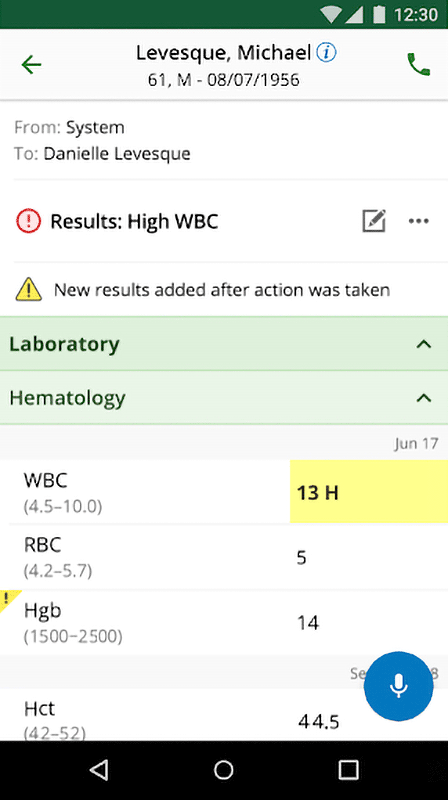
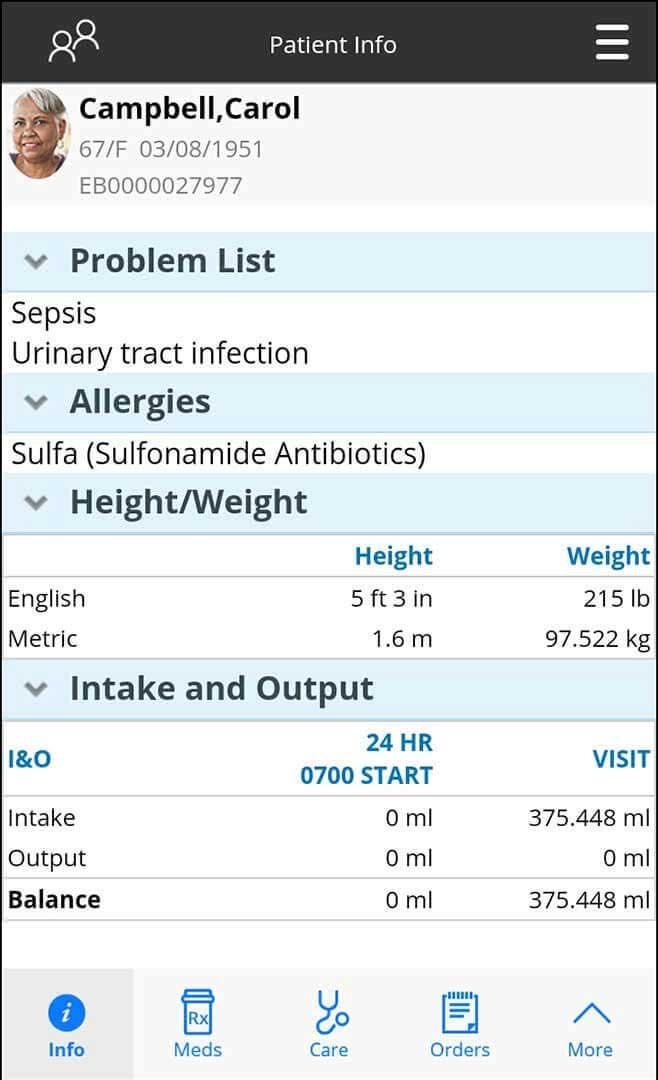
Description
| Vendor | Medical Information Technology, Inc. (MEDITECH) |
|---|---|
| Headquartered | Westwood, Massachusetts, USA |
| Founded | 1969 |
| Best fit for | US community hospitals, critical access hospitals, rural hospitals, and mid-size health systems (1 to 150 beds primary segment; multi-hospital networks via HCA Healthcare) |
| Pricing model | Quote-only, multi-year contracts; on-premise, private cloud (CloudWave OpSus), or MEDITECH as a Service on Google Cloud |
| Network scale | 2,300+ healthcare organizations worldwide; 14.7% US acute-care hospital market share; HCA Healthcare's 190 US hospitals |
| Certifications | ONC 2015 Cures Update, HL7 FHIR R4, HITRUST aligned, SOC 2 Type 2, CMS Promoting Interoperability, TEFCA QHIN via Traverse Exchange |
| KLAS recognition | 12-year Best in KLAS streak for Small/Community Hospital Acute Care EHR (2026, 7th consecutive year #1 in segment) |
Pros and Cons
Pros
- 12-year consecutive Best in KLAS streak for Acute Care EHR (Small/Community Hospital segment) is one of the longest streaks in healthcare IT.
- Genuinely strong fit for community and rural hospitals (1 to 150 beds) where Epic and Oracle Health are overbuilt and overpriced.
- Single integrated database across acute, ambulatory, ED, and revenue cycle removes bolt-on stitching that Cerner Millennium and Allscripts often require.
- Web-based Expanse interface is materially cleaner and more mobile-friendly than the legacy Magic and Client/Server platforms it replaces.
- MEDITECH as a Service (MaaS) on Google Cloud eliminates the on-premise data center burden that hammered smaller hospitals running 6.x.
Cons
- Feature gaps versus Epic and Oracle Health for tertiary and academic medical centers. Reviewers cite missing insurance verification workflows, chart faxing depth, and complex physician assessment fields.
- Customization is limited and third-party integrations require Alliance Program partners, not a true open API model like Epic's Showroom (formerly App Orchard).
- Support response times are a recurring complaint in Capterra and Software Advice reviews, especially for smaller customers without dedicated account teams.
- Reporting and analytics depth lags Epic Cogito and Oracle HealtheIntent. BCA is improving but still considered basic for complex service-line analysis.
- Legacy Magic and Client/Server migration to Expanse is a multi-year, expensive lift even though 84 percent of legacy customers eventually convert.
Who Should Use MEDITECH Expanse
MEDITECH Expanse fits hospitals and health systems that want a proven single-vendor inpatient + ambulatory EHR without the implementation cost and complexity of Epic or Oracle Health. The right shortlist candidate is typically:
- A US community hospital with 25 to 150 beds where Epic's $10M+ implementation is overkill but the hospital still needs full acute, ED, and ambulatory workflows.
- A critical access hospital or rural hospital where MEDITECH as a Service on Google Cloud eliminates the on-premise IT burden.
- A mid-size health system (3 to 30 hospitals) wanting a single integrated database across acute, ED, ambulatory, and revenue cycle.
- An HCA Healthcare-style large network operating MEDITECH across many community hospitals for standardisation economics.
- A legacy MEDITECH Magic or Client/Server customer planning an in-platform upgrade to modern Expanse rather than ripping out for Epic or Cerner.
Tertiary academic medical centers, large urban research hospitals, or systems with sophisticated specialty service lines (transplant, oncology, cardiac surgery) typically need Epic's specialty modules and lean toward Epic or Oracle Health (Cerner) instead.
Product Suite
MEDITECH ships a tightly integrated platform around the Expanse hospital EHR:
- MEDITECH Expanse is the modern web-based hospital EHR launched in 2018 covering acute, ambulatory, ED, surgical, pharmacy, lab, radiology, and revenue cycle in one integrated database.
- MEDITECH as a Service (MaaS) is the fully-hosted Expanse delivery on Google Cloud Infrastructure.
- Expanse Patient Connect is the patient portal with secure messaging, appointment booking, and bill pay.
- Expanse Now is the iOS and Android clinician mobile app for chart review, ordering, and secure messaging.
- Expanse Ambulatory handles outpatient clinic visits using the same chart as inpatient encounters.
- Expanse Surveillance tracks infection control, antimicrobial stewardship, and clinical quality measures.
- Expanse Pharmacy covers inpatient medication ordering, dispensing, and reconciliation.
- Expanse Revenue Cycle and Patient Accounting handles registration, charge capture, billing, and collections.
- Expanse Analytics and BCA (Business and Clinical Analytics) for hospital performance reporting.
- Traverse Exchange is the QHIN-connected interoperability network for nationwide HIE exchange under TEFCA.
- MEDITECH Magic and Client/Server (6.x) are legacy platforms still supported for customers planning Expanse migration.
How Much Does MEDITECH Expanse Cost
MEDITECH does not publish numeric pricing on its website. Every quote is sales-driven and scoped to hospital bed count, modules selected (acute, ambulatory, surgical, ED, pharmacy, lab, revenue cycle), and deployment model (on-premise, private cloud via CloudWave OpSus, or MEDITECH as a Service on Google Cloud).
Community hospital Expanse deployments typically run several million dollars upfront for implementation, plus ongoing per-year subscription fees. Multi-year contracts of 5 to 10 years are typical. Implementation, training, hosting, and 24/7 support are included in the subscription, which is materially different from Epic's pricing model where many services are quoted separately.
For a 50-bed community hospital on MaaS, total cost of ownership over a 5-year horizon commonly lands between $5M and $15M depending on specialty service lines and ambulatory clinic count. Compare against published Epic and Cerner deployment costs at scale ($50M to $1B+) and other community hospital options in the hospital management category.
Hidden Costs and Contract Gotchas
- Magic and Client/Server migration. Legacy MEDITECH customers planning Expanse upgrade face a multi-year, multi-million-dollar in-platform migration. Get fixed milestone pricing in writing.
- Alliance Program partners. Third-party integrations (lab equipment, infusion pumps, ambient AI scribes) often require Alliance Program partners. Pricing is separate from MEDITECH.
- Implementation services. 12 to 24 month implementations carry significant services budget. Validate the vendor's services team with peer references and tie milestone payments to deliverables.
- Reporting depth add-ons. Standard BCA dashboards work for community hospital reporting but complex service-line analysis often needs custom development or third-party tools.
- Support tiering. Smaller customers without dedicated account teams report slower response times. Confirm support SLA in writing.
- Multi-year contracts. 5 to 10 year terms are typical. Negotiate annual escalator caps and exit terms.
Alternatives to MEDITECH Expanse
Hospitals most commonly shortlist MEDITECH against:
- Epic Systems: 43.7 percent US acute-care market share, dominant for large hospitals and academic medical centers.
- Oracle Health (Cerner): 21.9 percent US acute-care share, federal VA system, KLAS-lowest 2026 overall but strong for specific use cases.
- Altera Health (Sunrise from Allscripts): mid-size hospital EHR.
- CPSI Evident Thrive / TruBridge: rural and community hospital focus.
- MEDHOST: community hospital ED and EHR.
- InterSystems TrakCare: unified hospital information system on InterSystems IRIS platform.
- athenahealth athenaOne: ambulatory-strong with growing hospital deployments.
- NextGen Healthcare: ambulatory + small hospital network EHR.
- Azalea Health: cloud EHR + RCM for rural and community hospitals.
- Veradigm (Allscripts): hospital data platform with payer connectivity.
For ambulatory-grade alternatives, browse the EHR category. For RCM service options, see the medical billing category.
What Real Buyers Report
MEDITECH Expanse carries a 3.5 out of 5 G2 rating and a 3.7 out of 5 Capterra rating. KLAS named MEDITECH Best in KLAS for Acute Care EHR (Small/Community Hospital segment) for 12 consecutive years through 2026, the 7th consecutive year as the segment leader. Legacy retention from MEDITECH Magic and Client/Server customers migrating to Expanse jumped from 30 percent in 2023 to 63 percent in 2024 to 84 percent in 2026.
The praise themes from real customers are consistent: 12-year KLAS streak, genuinely strong community hospital fit, single integrated database, modern web-based Expanse UI, and MaaS removing on-premise burden. The complaint themes are equally consistent: feature gaps versus Epic and Oracle at tertiary/academic level, limited customization, support response times for smaller customers, analytics depth gap versus Cogito and HealtheIntent, and migration complexity from legacy platforms.
Community hospitals and HCA Healthcare-style multi-hospital networks tend to weigh MEDITECH's KLAS recognition and TCO advantage highest. Large academic medical centers and tertiary specialty hospitals more frequently flag the feature gap and migrate to Epic.
Bottom Line
MEDITECH Expanse is the right shortlist candidate when a US community hospital, critical access hospital, rural hospital, or mid-size health system wants a proven single-vendor inpatient + ambulatory EHR with 12-year Best in KLAS recognition, lower total cost of ownership than Epic, and a cloud-hosted delivery option (MaaS on Google Cloud) that eliminates on-premise IT burden. The ONC 2015 Cures Update certification, HL7 FHIR R4, HITRUST alignment, SOC 2 Type 2, and TEFCA QHIN connectivity cover the compliance bar that matters for US hospital procurement.
It is the wrong choice when the hospital is a tertiary academic medical center, when sophisticated specialty service lines (transplant, complex oncology, cardiac surgery) need Epic-grade depth, when an open third-party app integration model is required, or when analytics depth beyond BCA is mission-critical. Build implementation services, Alliance Program partner fees, multi-year contract terms, and annual escalator caps into your total cost of ownership before signing. Then compare side-by-side with Epic and Oracle Health to confirm MEDITECH Expanse's community hospital strength matches your scale and service-line complexity.
Frequently Asked Questions
How much does MEDITECH Expanse cost?
MEDITECH Expanse is quote-only and pricing depends on hospital bed count, modules selected, and deployment model (on-premise, private cloud via CloudWave OpSus, or MEDITECH as a Service on Google Cloud). Community hospital deployments typically run several million dollars upfront for implementation plus ongoing per-year subscription fees. The vendor does not publish a public rate card. Multi-year contracts (5 to 10 years) are typical, with implementation, training, hosting, and 24/7 support included in subscription.
Is MEDITECH Expanse ONC-certified for the 2015 Cures Update?
Yes. MEDITECH Expanse holds ONC 2015 Edition Cures Update Certified Health IT designation. It is also HIPAA compliant, HL7 FHIR R4 certified, HITRUST aligned via CloudWave OpSus hosting, SOC 2 Type 2 (via MEDITECH-certified hosting partners), CMS Promoting Interoperability Program compliant, and TEFCA / QHIN-connected via Traverse Exchange.
What is the difference between MEDITECH Magic, Client/Server, and Expanse?
MEDITECH Magic is the legacy character-based green-screen platform that powered MEDITECH customers from the 1980s through early 2010s. MEDITECH Client/Server (6.x) was the GUI Windows-based replacement. Expanse is the modern web-based EHR launched in 2018, with browser-native UI, mobile clinician access via Expanse Now, and MaaS cloud hosting on Google Cloud. 84 percent of legacy MEDITECH customers making go-forward decisions chose Expanse in 2026, up from 63 percent in 2024.
Is MEDITECH a good fit for community and rural hospitals?
Yes. Community and rural hospitals (1 to 150 beds) are MEDITECH's strongest segment, where the platform consistently outranks Epic, Oracle Health, and Allscripts on Best in KLAS for Small/Community Hospital Acute Care EHR (12-year streak). The single integrated database across acute, ambulatory, ED, and revenue cycle eliminates the bolt-on stitching that competing systems often require. HCA Healthcare runs MEDITECH across its 190 US hospitals.
How does MEDITECH compare to Epic and Oracle Health?
The three are the US hospital EHR market leaders. Epic dominates large hospitals and academic medical centers with 43.7 percent acute-care market share but is overbuilt for sub-150-bed community hospitals. Oracle Health (Cerner) holds 21.9 percent share and serves the federal VA system. MEDITECH wins the community hospital segment with simpler implementation, lower total cost of ownership, and 12-year Best in KLAS recognition. See the full ranked list in the hospital management category.
What is MEDITECH as a Service (MaaS)?
MEDITECH as a Service (MaaS) is the vendor's fully-hosted Expanse delivery model on Google Cloud Infrastructure. Hospitals subscribe to Expanse without managing on-premise data centers, server upgrades, or backup operations. MEDITECH handles cloud hosting, security patching, scaling, and disaster recovery. MaaS is particularly attractive for community and rural hospitals lacking in-house IT depth, and it has driven the surge in legacy retention from 63 percent (2024) to 84 percent (2026).
What integrations does MEDITECH Expanse support?
MEDITECH Expanse integrates with Google Cloud and Microsoft Azure for AI infrastructure, Nuance DAX Copilot and Suki AI for ambient clinical documentation, Arcadia.io for population health analytics, DrFirst for e-prescribing, Health Gorilla and Commure for interoperability, and exchanges records with Epic and Oracle Health via Carequality / Traverse Exchange. The Alliance Program provides certified third-party integration partners.
How long does MEDITECH Expanse implementation take?
Community hospital Expanse implementations typically run 12 to 18 months. Mid-size health system rollouts stretch to 24 months. MEDITECH's services team handles configuration, data migration from legacy systems (including Magic and Client/Server in-platform migrations), training, and go-live support. Plan for a multi-month productivity dip post go-live and budget for ongoing optimization services in years 2 through 5.
What are the biggest complaints about MEDITECH Expanse?
The recurring themes across G2 (3.5/5) and Capterra (3.7/5) reviews are: (1) feature gaps versus Epic and Oracle Health for tertiary and academic medical centers (missing insurance verification workflows, chart faxing depth, complex physician assessment fields); (2) customization is limited and third-party integrations require Alliance Program partners (not a true open API model like Epic's Showroom); (3) support response times can lag, especially for smaller customers without dedicated account teams; (4) reporting and analytics depth lags Epic Cogito and Oracle HealtheIntent; (5) legacy Magic and Client/Server migration to Expanse is a multi-year, expensive lift.
Does MEDITECH support ambient AI documentation?
Yes, via integrations rather than first-party tooling. MEDITECH partners with Nuance DAX Copilot (Microsoft) and Suki AI for ambient clinical documentation. Both work with Expanse to generate SOAP notes during patient encounters and write them back to the EHR. Pricing for the AI scribes is separate from MEDITECH licensing. Competing first-party AI scribes include Epic's integration with DAX and Abridge, Oracle Health Clinical AI Agent, and eClinicalWorks Sunoh.ai.
Find Your Perfect Software
See how it can transform your workflow
- Personalized for your needs Tailored recommendations based on your unique requirements.
- Save time & resources Streamline your workflow and boost team productivity.
- Trusted by thousands Join 10,000+ businesses already growing with SaaSrat.
You're all set! 🎉
A specialist for will reach out within 1 business day with tailored recommendations for your needs.