

Oracle Health (Cerner)
by Cerner Corporation PTY Limited
What is Oracle Health (Cerner)?
Oracle Health is the rebranded Cerner Millennium hospital EHR platform after Oracle's June 2022 acquisition of Cerner Corporation. Headquartered in Austin, Texas, with legacy Cerner operations in Kansas City, Missouri. Holds 21.9 percent of the US acute-care hospital market across 2,000+ hospitals and 27,000+ healthcare facilities in 25+ countries. Powers the US Department of Defense and Veterans Affairs EHR modernization program.
Get Best Quote for Oracle Health (Cerner)
Connect with SaaSrat experts to get the best quote for your business.
You're all set!
A specialist for Oracle Health (Cerner) will reach out within 1 business day.
Oracle Health (Cerner) Features
Oracle Health EHR (formerly Cerner Millennium)
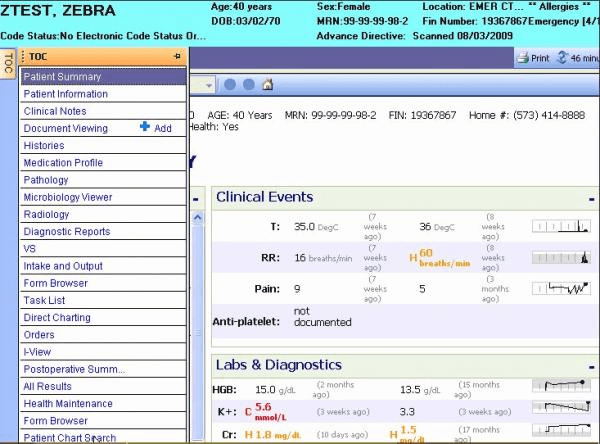
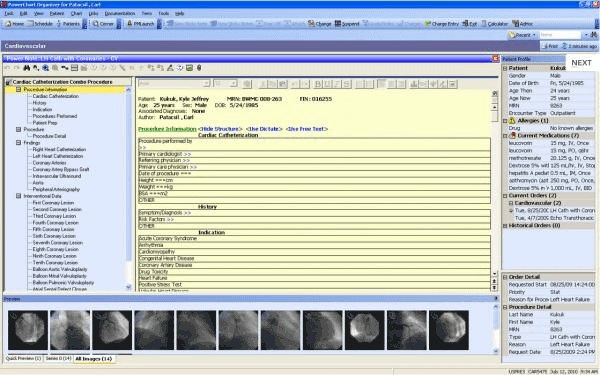
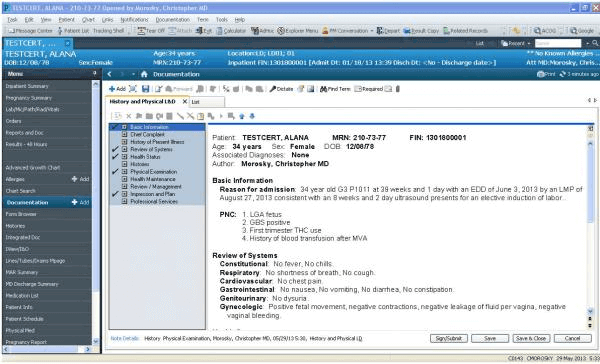
PowerChart clinician documentation
FirstNet (Emergency Department)
SurgiNet (Surgical)
PathNet (Lab)
RadNet (Radiology)
View All 22 Features
Oracle Health (Cerner) Pricing Plans
Basic
- Appointment Management
- HIPAA Compliant
- Patient Portal
- Reporting
- E/M Coding
Oracle Health Enterprise (Cerner Millennium)
- Cerner Millennium EHR platform (inpatient, ambulatory, ED, surgical, pharmacy, lab, radiology, revenue cycle)
- PowerChart clinician documentation plus specialty modules (FirstNet, SurgiNet, PathNet, RadNet)
- HealtheIntent population health and analytics on Oracle Cloud Infrastructure
- FHIR R4 APIs, SMART on FHIR, Bulk Data Access, ONC 2015 Cures certified
- Implementation, hosting on OCI, 24/7 support and managed services (multi-year contracts typically $1M+ per hospital)
Oracle Health Clinical AI Agent
- Next-generation AI-powered ambulatory EHR (launched 2025) certified by ONC
- Generative-AI clinical documentation and voice-driven workflows
- DEA-compliant e-prescribing of controlled substances
- Coexistence strategy with Cerner Millennium for staged migration
Oracle Health (Cerner) Resources
Oracle Health (Cerner) Screenshots
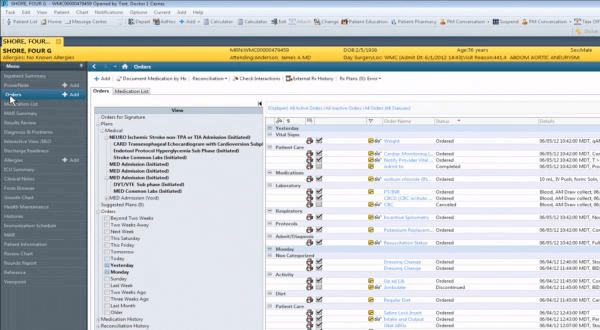
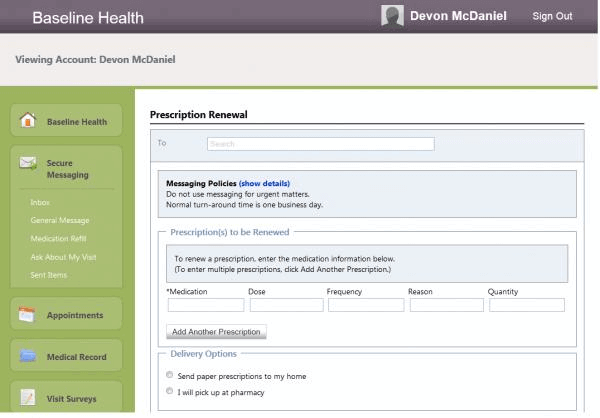
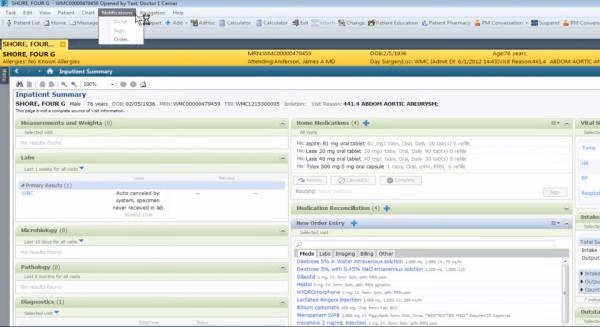
Description
| Vendor | Oracle Corporation (Oracle Health, formerly Cerner Corporation) |
|---|---|
| Headquartered | Austin, Texas, USA (Oracle HQ); legacy Cerner operations Kansas City, Missouri |
| Founded | 1979 (Cerner); acquired by Oracle June 2022 for $28.3B |
| Best fit for | Large US hospitals, academic medical centers, integrated delivery networks (IDNs), and federal VA / DoD facilities |
| Pricing model | Quote-only, multi-year enterprise contracts; typically $1M+ per hospital licensing plus tens of millions in implementation services |
| Network scale | 2,000+ hospitals and 27,000+ healthcare facilities in 25+ countries; 21.9% US acute-care market share; ~700K providers |
| Certifications | ONC 2015 Cures Update, HITRUST CSF, SOC 2 Type II, HIPAA, ISO 27001, DEA EPCS, FedRAMP (OCI for federal) |
| KLAS recognition | 21.9% US market share; ranked lowest-scoring acute-care EHR in 2026 Best in KLAS across large, midsize, small organizations |
Pros and Cons
Pros
- Comprehensive modular suite covers inpatient, ambulatory, ED, surgical, pharmacy, lab, radiology, and revenue cycle in one platform.
- Strong interdisciplinary communication and real-time access to patient records, lab results, and imaging across the system.
- Customizable home screens, MPages, and workflows tailored per role and specialty.
- Robust FHIR R4 API surface and ONC 2015 Cures certification make third-party app and data-exchange integrations straightforward.
- Backed by Oracle Cloud Infrastructure scale, security investment, and a roadmap toward AI-powered ambulatory EHR (Clinical AI Agent).
Cons
- Excessive clicking and steep learning curve. Users repeatedly cite the UI as overwhelming and not intuitive for new clinicians.
- Lowest-scoring acute-care EHR in 2026 Best in KLAS across large, midsize, and small organizations. Net loss of 56 hospitals and 14,676 beds in 2025 (third consecutive year of net losses).
- VA EHR Modernization rollout has been plagued by patient-safety incidents, outages, and cost overruns. Original $10B contract now estimated at $37 to $50B lifecycle, paused 2023-2024, restarting cautiously through 2026.
- Frequent updates disrupt established workflows. Customizations often carry additional fees. ICD-10 and lab-interoperability data-integrity issues persist.
- About 30 percent of sampled Oracle Health customers say the platform is not part of their long-term plans (KLAS 2026). Post-acquisition Oracle layoffs raised customer-confidence concerns.
Who Should Use Oracle Health (Cerner)
Oracle Health fits large US hospital systems and federal agencies that have already committed to Cerner Millennium or are evaluating enterprise EHRs at scale. The right shortlist candidate is typically:
- A federal Department of Veterans Affairs or Department of Defense facility using the VA EHR Modernization program (with awareness of the rollout challenges).
- A large multi-hospital health system already on Cerner Millennium evaluating Oracle Cloud Infrastructure migration paths.
- A 200+ bed hospital or academic medical center needing deep modular suite coverage (FirstNet ED, SurgiNet surgical, PathNet lab, RadNet radiology, PharmNet pharmacy).
- A new hospital deployment in international markets where Oracle Cloud Infrastructure offers regional advantages.
- A health system testing Oracle Health Clinical AI Agent as a coexistence ambulatory layer alongside legacy Cerner Millennium inpatient.
Hospitals making a fresh EHR decision in 2026 are increasingly evaluating Epic, MEDITECH Expanse, or athenahealth instead, given Oracle Health's KLAS 2026 results and net losses.
Product Suite
Oracle Health (Cerner) ships a deep modular platform built on Cerner Millennium architecture and migrating to Oracle Cloud Infrastructure:
- Oracle Health EHR (formerly Cerner Millennium) is the core hospital EHR platform covering inpatient, ambulatory, ED, surgical, pharmacy, lab, radiology, and revenue cycle.
- PowerChart is the general clinician documentation interface.
- FirstNet handles Emergency Department workflows.
- SurgiNet covers surgical scheduling, anesthesia, and OR documentation.
- PathNet is the lab information system.
- RadNet is the radiology information system.
- PharmNet handles inpatient pharmacy ordering and dispensing.
- HealtheIntent is the population health and analytics platform running on Oracle Cloud Infrastructure.
- Oracle Health Clinical AI Agent (launched 2025) is the next-generation AI-powered ambulatory EHR with generative-AI clinical documentation.
- CareAware handles medical device interoperability via iBus.
- MPages and Discern CCL provide custom dashboards and reporting.
- Soarian Financials and Revenue Cycle modules handle hospital billing.
How Much Does Oracle Health Cost
Oracle Health is quote-only enterprise pricing. The vendor does not publish a public rate card. Multi-year contracts typically start at $1 million or more per hospital for software licensing, with implementation services running tens of millions and total cost of ownership reaching $100 million or more for large multi-hospital systems over a 5 to 10 year horizon.
Oracle Health Clinical AI Agent (the 2025 next-gen ambulatory EHR) is priced separately and positioned as a coexistence strategy with Cerner Millennium. Federal VA / DoD pricing is governed by GSA schedules and the 2017 baseline 10-year, $10 billion VA contract (now estimated at $37 to $50 billion lifecycle).
For a 200-bed community hospital deploying Oracle Health from scratch, expect $20 million to $80 million over the first 5 years including implementation, software licensing, training, and OCI hosting. Compare against Epic at similar scale ($30 million to $150 million range) and MEDITECH Expanse at materially lower TCO for community hospitals.
Hidden Costs and Contract Gotchas
- Implementation services. Tens of millions of dollars over 18 to 36 months for enterprise deployments. Validate vendor services team with peer references and tie milestone payments to deliverables.
- Customization fees. MPages and Discern CCL customizations often carry additional development fees on top of the core platform license.
- OCI migration. Moving from on-premise Cerner to Oracle Cloud Infrastructure is a separate project with its own scope, timeline, and cost.
- Multi-year contracts. 7 to 10 year terms are typical. Negotiate annual escalator caps, exit terms, and data extraction rights.
- VA EHR challenges. Federal VA customers face the documented rollout difficulties. Budget for additional change-management and training resources.
- Long-term plan concerns. 30 percent of sampled Oracle Health customers in 2026 said the platform was not part of their long-term plans. Build switching cost scenarios into your evaluation.
- Clinical AI Agent add-on. The 2025 next-gen ambulatory EHR is priced separately from Millennium. Coexistence licensing terms vary.
Alternatives to Oracle Health (Cerner)
Hospitals most commonly shortlist Oracle Health against:
- Epic Systems: 43.7 percent US acute-care market share, Best in KLAS Overall Suite 16 consecutive years.
- MEDITECH Expanse: 14.7 percent share, 12-year Best in KLAS streak for community hospitals.
- athenahealth: ambulatory-strong with growing hospital deployments.
- Veradigm (Allscripts): hospital data platform and Sunrise EHR.
- eClinicalWorks: ambulatory EHR with hospital-ambulatory deployments.
- NextGen Healthcare: ambulatory + small hospital network EHR.
- Greenway Health: ambulatory EHR with hospital integration.
- MEDHOST: community hospital ED and EHR.
- InterSystems TrakCare: unified hospital information system.
- CPSI Evident Thrive: rural and community hospital focus.
What Real Buyers Report
Oracle Health carries a 3.4 out of 5 G2 rating and a 3.8 out of 5 Capterra rating. KLAS 2026 ranks Oracle Health the lowest-scoring acute-care EHR across large, midsize, and small organization segments, with net losses of 56 hospitals and 14,676 beds in 2025 (third consecutive year of net losses). About 30 percent of sampled Oracle Health customers say the platform is not part of their long-term plans.
The praise themes from real customers are consistent: modular suite breadth, deep specialty workflows, FHIR R4 API surface, OCI scale, and the Clinical AI Agent roadmap. The complaint themes are equally consistent: click count and steep learning curve, KLAS ranking decline, VA rollout challenges, frequent disruptive updates, and long-term plan uncertainty post-acquisition.
Existing Cerner Millennium customers planning OCI migration tend to weigh the platform breadth and AI roadmap higher. Hospitals making fresh EHR decisions in 2026 increasingly evaluate Epic, MEDITECH Expanse, or athenahealth alternatives given KLAS results and net hospital losses.
Bottom Line
Oracle Health (Cerner) is the right shortlist candidate when an existing Cerner Millennium customer is evaluating Oracle Cloud Infrastructure migration paths, when a federal Veterans Affairs or Department of Defense facility is participating in the EHR Modernization program, or when a 200+ bed hospital or academic medical center needs deep modular suite coverage across PowerChart, FirstNet, SurgiNet, PathNet, RadNet, PharmNet, and HealtheIntent. The ONC 2015 Cures Update certification, HITRUST CSF, SOC 2 Type II, HIPAA, ISO 27001, DEA EPCS, and FedRAMP authorizations cover the compliance bar that matters for enterprise hospital and federal procurement.
It is the wrong choice when a hospital is making a fresh EHR decision in 2026 without legacy Cerner exposure, when Best in KLAS recognition is mission-critical, when transparent published pricing is non-negotiable, or when post-acquisition long-term plan uncertainty is a deal-breaker. Build implementation services, OCI migration project scope, multi-year contract terms, annual escalator caps, and switching cost scenarios into your total cost of ownership before signing. Then compare side-by-side with Epic, MEDITECH Expanse, and athenahealth to confirm the modular suite depth justifies the KLAS 2026 trajectory.
Frequently Asked Questions
How much does Oracle Health (Cerner) cost?
Oracle Health is quote-only enterprise pricing. Multi-year contracts typically start at $1M+ per hospital for software licensing, with implementation services running tens of millions and total cost of ownership reaching $100M+ for large multi-hospital systems over a 5 to 10 year horizon. The vendor does not publish a public rate card. Oracle Health Clinical AI Agent is the next-gen ambulatory EHR launched in 2025 and is priced separately as a coexistence strategy with Cerner Millennium.
What changed when Oracle acquired Cerner?
Oracle Corporation acquired Cerner Corporation for $28.3 billion in December 2021, closing in June 2022. The product is now branded Oracle Health, the underlying platform remains Cerner Millennium, and hosting migrated to Oracle Cloud Infrastructure (OCI). Oracle Health Clinical AI Agent launched in 2025 as the next-generation ambulatory EHR. Post-acquisition Oracle layoffs have raised customer-confidence concerns, with about 30 percent of sampled Oracle Health customers in 2026 saying the platform is not part of their long-term plans (KLAS 2026).
Is Oracle Health ONC-certified for the 2015 Cures Update?
Yes. Oracle Health (Cerner Millennium) holds ONC 2015 Edition Cures Update Certified Health IT designation. The platform is HITRUST CSF certified, SOC 2 Type II audited, HIPAA compliant, ISO 27001 certified, DEA EPCS authorized for electronic prescribing of controlled substances, and FedRAMP authorized for federal Veterans Affairs and Department of Defense deployments. Oracle Health Clinical AI Agent (2025) is also ONC certified.
What is the VA EHR Modernization with Oracle Health?
The US Department of Veterans Affairs awarded Cerner a 10-year, $10 billion contract in 2017 to replace the legacy VistA EHR system. After the Oracle acquisition, the rollout has been plagued by patient-safety incidents, outages, and cost overruns, with lifecycle cost estimates now at $37 to $50 billion. VA paused the deployment in 2023-2024 to address quality issues and restarted cautiously through 2026. The VA situation is a recurring concern in hospital procurement evaluations of Oracle Health.
How does Oracle Health compare to Epic?
The two dominate the US hospital EHR market. Epic holds 43.7 percent US acute-care market share and added 77 hospitals and 18,679 beds in 2025 (net +568 hospitals since 2021). Oracle Health holds 21.9 percent and lost 56 hospitals and 14,676 beds in 2025 (third consecutive year of net losses). Epic wins Best in KLAS Overall Software Suite 16 consecutive years. Oracle Health ranks lowest-scoring acute-care EHR in 2026 Best in KLAS across large, midsize, and small organizations. See the full ranked list in the hospital management category.
What modules does Oracle Health (Cerner Millennium) include?
The platform is modular with deep specialty coverage: PowerChart for general clinician documentation, FirstNet for Emergency Department, SurgiNet for surgical, PathNet for lab, RadNet for radiology, PharmNet for pharmacy, Soarian Financials for revenue cycle, HealtheIntent for population health and analytics on OCI, and CareAware for medical device interoperability. MPages and Discern CCL provide custom dashboards and reporting. Oracle Health Clinical AI Agent (2025) is the next-generation ambulatory EHR with generative AI documentation.
What integrations does Oracle Health support?
Oracle Health supports HL7 v2 (ADT, ORM, ORU, SIU, DFT), FHIR R4 with SMART on FHIR and Bulk Data Access, Surescripts for ePrescribing and medication history, Epic Care Everywhere via CommonWell and Carequality for interoperability, Oracle Cloud Infrastructure and Oracle Autonomous Database, CareAware iBus for medical device connectivity, Lab Information Systems and RIS/PACS imaging, practice management and revenue cycle systems, FDA MedWatch and CDC public-health reporting feeds, and MPages / Discern CCL for third-party clinical apps.
What are the biggest complaints about Oracle Health?
The recurring themes across G2 (3.4/5) and Capterra (3.8/5) reviews are: (1) excessive clicking and steep learning curve where the UI is overwhelming and not intuitive for new clinicians; (2) lowest-scoring acute-care EHR in 2026 Best in KLAS with net losses of 56 hospitals and 14,676 beds in 2025 (third consecutive year of net losses); (3) VA EHR Modernization rollout patient safety incidents, outages, and cost overruns; (4) frequent updates disrupting established workflows and customizations carrying additional fees; (5) about 30 percent of sampled Oracle Health customers saying the platform is not part of their long-term plans post-acquisition.
Is Oracle Health Clinical AI Agent the same as Cerner Millennium?
No. Oracle Health Clinical AI Agent is a next-generation ambulatory EHR launched in 2025 with generative AI documentation and voice-driven workflows, built fresh on Oracle Cloud Infrastructure rather than the older Cerner Millennium architecture. Oracle positions it as a coexistence strategy: existing Cerner Millennium customers can run both, with phased migration paths. Most hospital customers remain on Millennium today; the AI Agent is gaining traction in ambulatory and primary-care use cases.
Should we move off Oracle Health to Epic?
This is a real question for many Cerner Millennium customers in 2026 given KLAS 2026 results and net losses. The decision typically comes down to: (1) implementation cost to switch (typically $50M to $500M for large systems); (2) clinical workflow disruption during a 24 to 48 month migration; (3) Epic's enterprise-grade integration and Cogito analytics depth; (4) Oracle Health's Clinical AI Agent roadmap on OCI. Many systems are running a multi-year evaluation. For the broader trade space, see the EHR category and hospital management list.
Find Your Perfect Software
See how it can transform your workflow
- Personalized for your needs Tailored recommendations based on your unique requirements.
- Save time & resources Streamline your workflow and boost team productivity.
- Trusted by thousands Join 10,000+ businesses already growing with SaaSrat.
You're all set! 🎉
A specialist for will reach out within 1 business day with tailored recommendations for your needs.