

Fyle
by Fyle • Founded 2016
What is Fyle?
Get Best Quote for Fyle
Connect with SaaSrat experts to get the best quote for your business.
You're all set!
A specialist for Fyle will reach out within 1 business day.
Fyle Features
Real-time corporate card transaction feeds from Visa Mastercard Amex
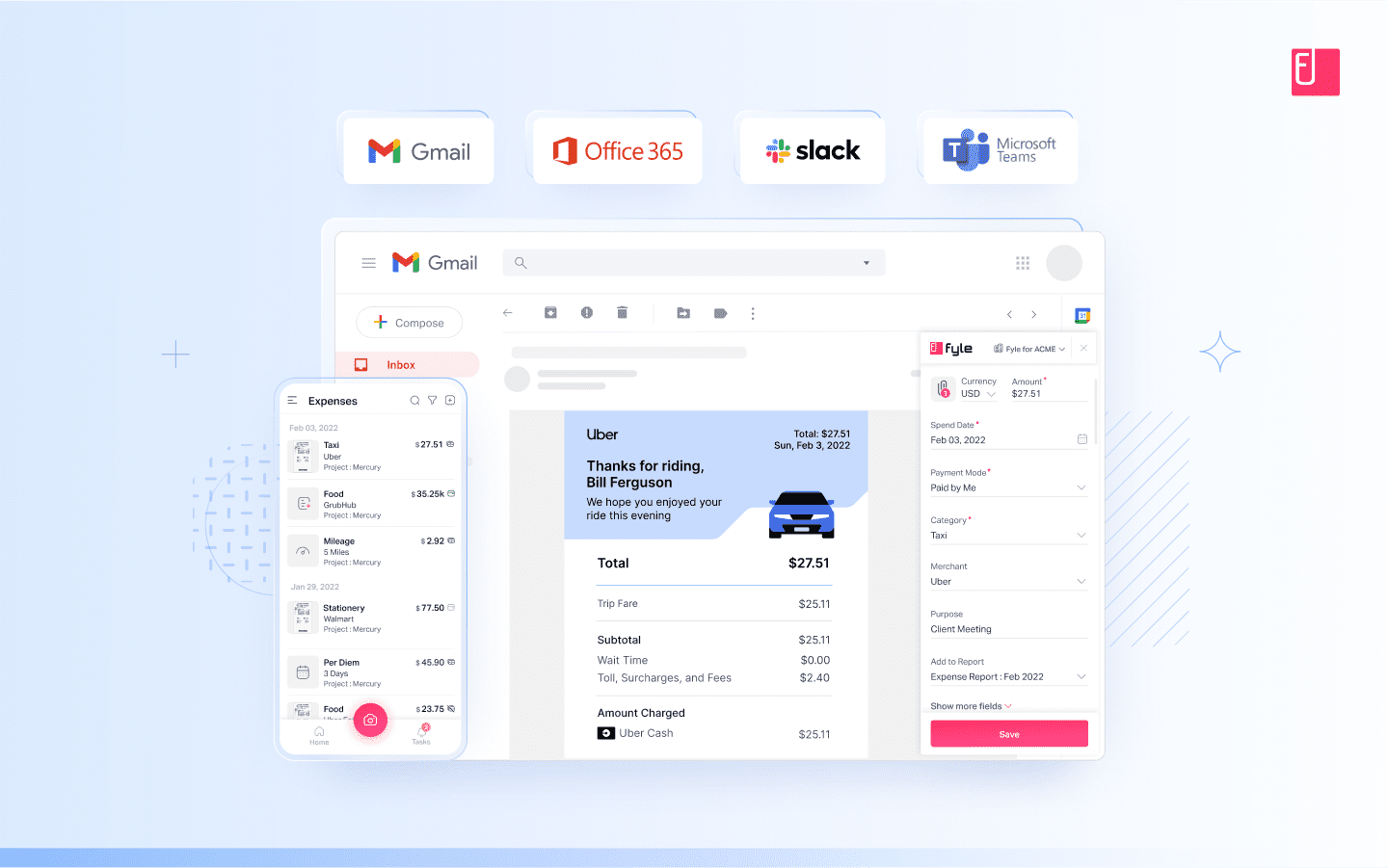
AI receipt OCR with automated data extraction
Active-user pricing model (only billed for users creating expenses)
Mobile apps for iOS and Android with offline receipt capture
Mileage tracking with GPS verification
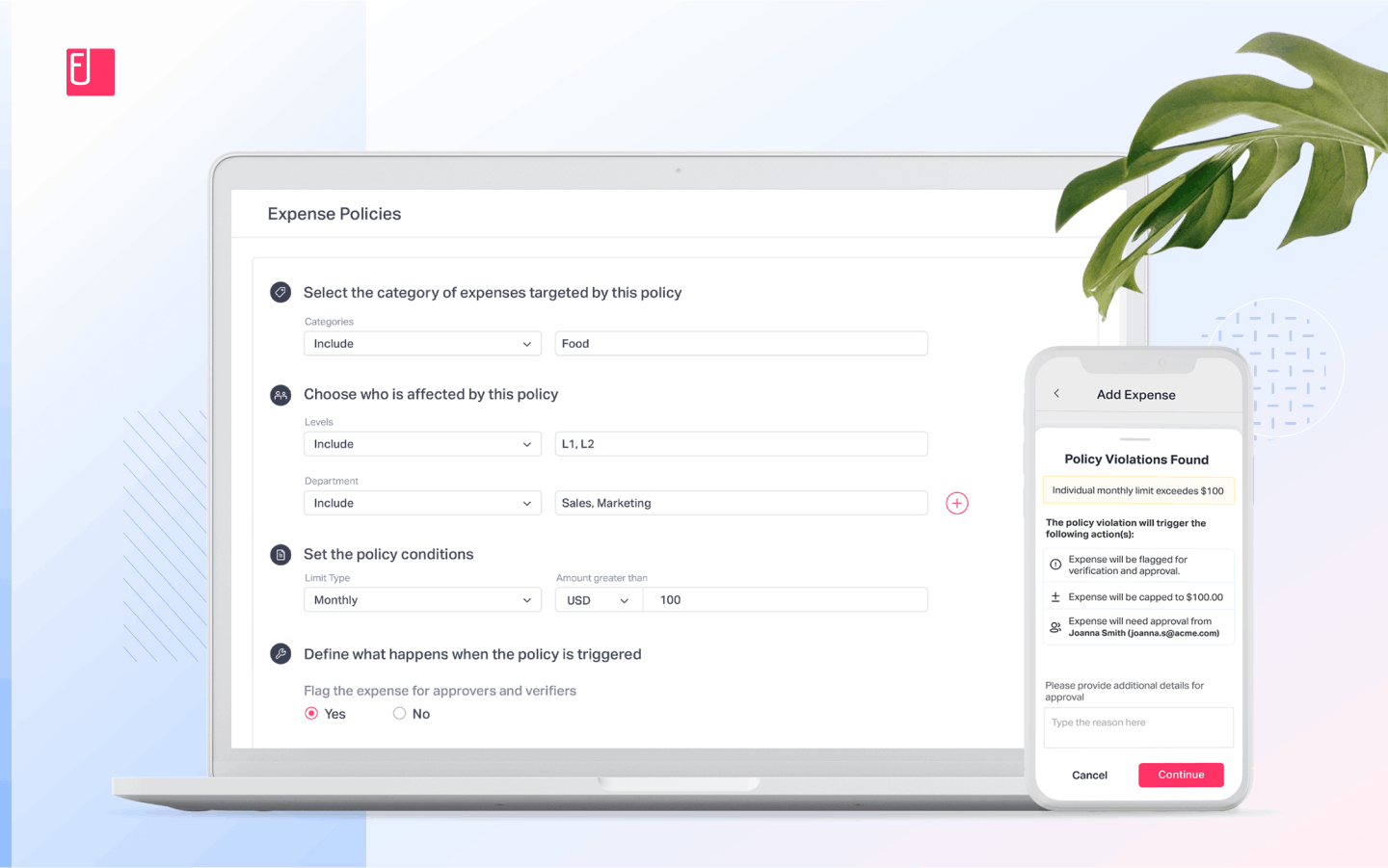
Per-diem and policy enforcement
View All 15 Features
Fyle Pricing Plans
Growth
- $11.99 per active user/month billed annually. Minimum 5 users. Unlimited expense tracking, receipt scanning, card integrations (Visa, Mastercard, Amex), single-stage approvals. Active-user pricing: only users who create expenses or have card transactions count.
Business
- $14.99 per active user/month billed annually. Minimum 10 users. Everything in Growth plus multi-org/multi-stage approvals, ACH reimbursements (US only), project expense tracking, and integrations with NetSuite and Sage Intacct.
Enterprise
- Custom pricing for enterprises with 250+ employees. Independent sources suggest $15-$25 per active user/month range. Includes all Business features plus IP whitelisting, advanced SSO options, branded accounts, dedicated account manager, advisory group access.
50-person team TCO
- 50-person company with assumed 30 active users on Growth annual: 30 × $11.99 × 12 = $4,316/year subscription. Active-user model saves ~$2,900/year versus per-headcount pricing ($7,194/year). Better economics as inactive ratio grows.
200-person team TCO
- 200-person company with 120 active users on Business annual: 120 × $14.99 × 12 = $21,586/year subscription. Plus ACH reimbursement fees ($0.25-$1.00 per transaction), NetSuite/Sage Intacct integration setup ($500-$2,500 one-time). Realistic annual TCO $22,000-$28,000.
Fyle Screenshots
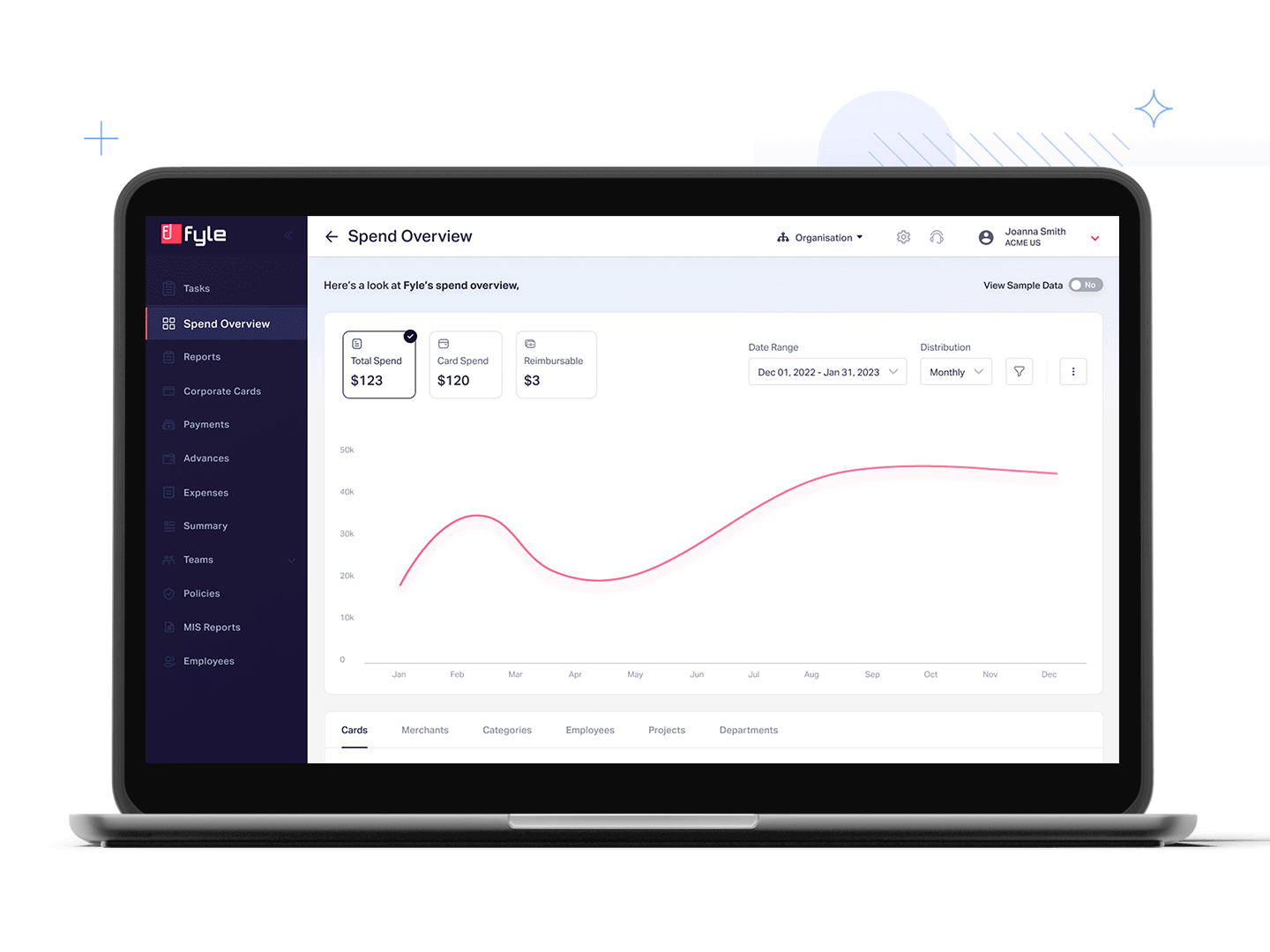
Description
What Fyle actually is (Sage Expense Management context)
Fyle is a US-built expense management platform, founded in 2016 in Wilmington, Delaware. The product was acquired by Sage in late 2025 and rebranded to Sage Expense Management as part of Sage's mid-market financial management portfolio. The product continues to operate under Sage ownership with the original feature set and pricing model, complementing Sage Intacct on the back-end accounting side.
The strongest positioning is the real-time corporate card feed. Most expense management tools require employees to upload receipts and match them against credit card statements after the fact. Fyle's direct card network connections (Visa, Mastercard, American Express) push transactions into the platform within seconds of the swipe, eliminating the reconciliation gap most expense workflows accept.
Who actually picks Fyle
Fyle (now Sage Expense Management) fits three buyer profiles. First, SMB and lower-mid-market finance teams (50 to 1,000 employees) using QuickBooks Online or Sage Intacct as their accounting platform. Second, Sage Intacct customers wanting integrated expense management under the same vendor ownership. Third, finance leaders wanting active-user pricing economics where only employees who actually expense get billed, not the full headcount.
The strongest fit is companies whose employees use corporate cards heavily and whose finance team wastes hours each month on card-statement-to-receipt reconciliation. The real-time card feed plus AI OCR collapses that workflow.
Not for you if: you have no corporate card program and expense management is purely reimbursement-only (Expensify and Concur fit better here), you need deep travel booking and travel agent integration (Concur Travel and Navan go deeper), or you're already deep into Brex or Ramp's combined card-plus-expense workflow (different economics).
Fyle / Sage Expense Management pricing
| Plan | Price (active user/mo annual) | Minimum users |
|---|---|---|
| Growth | $11.99 | 5 |
| Business | $14.99 | 10 |
| Enterprise | Custom (250+ employees) | 250+ |
The active-user pricing model is the key economic differentiator. The platform charges only for users who actively expense , defined as users who create at least one expense monthly or have a connected corporate card with transactions. Inactive users don't count.
For companies with seasonal or project-based expense activity (consulting firms with billable consultants on client engagements, construction with seasonal field crews, sales orgs with quarterly variation), active-user pricing meaningfully reduces total cost versus per-headcount pricing.
Annual TCO benchmarks
A 50-person company on Growth annual: assume 30 active users (60% of headcount expense regularly). 30 × $11.99 × 12 = $4,316/year subscription. Compare to a per-headcount model: 50 × $11.99 × 12 = $7,194/year. Active-user pricing saves ~$2,900/year for this team.
A 200-person company on Business annual: assume 120 active users. 120 × $14.99 × 12 = $21,586/year subscription. Plus ACH reimbursement processing fees (typically $0.25-$1.00 per ACH transaction depending on volume). Plus NetSuite or Sage Intacct integration setup (one-time $500-$2,500 typical). Realistic annual TCO $22,000-$28,000/year.
Enterprise pricing for 250+ employee organizations is custom-quoted. Independent buyer aggregator sources suggest typical enterprise pricing at $15-$25 per active user per month with negotiated volume discounts and bundled add-on services (IP whitelisting, SSO, dedicated account manager, branded accounts).
Real-time corporate card feeds
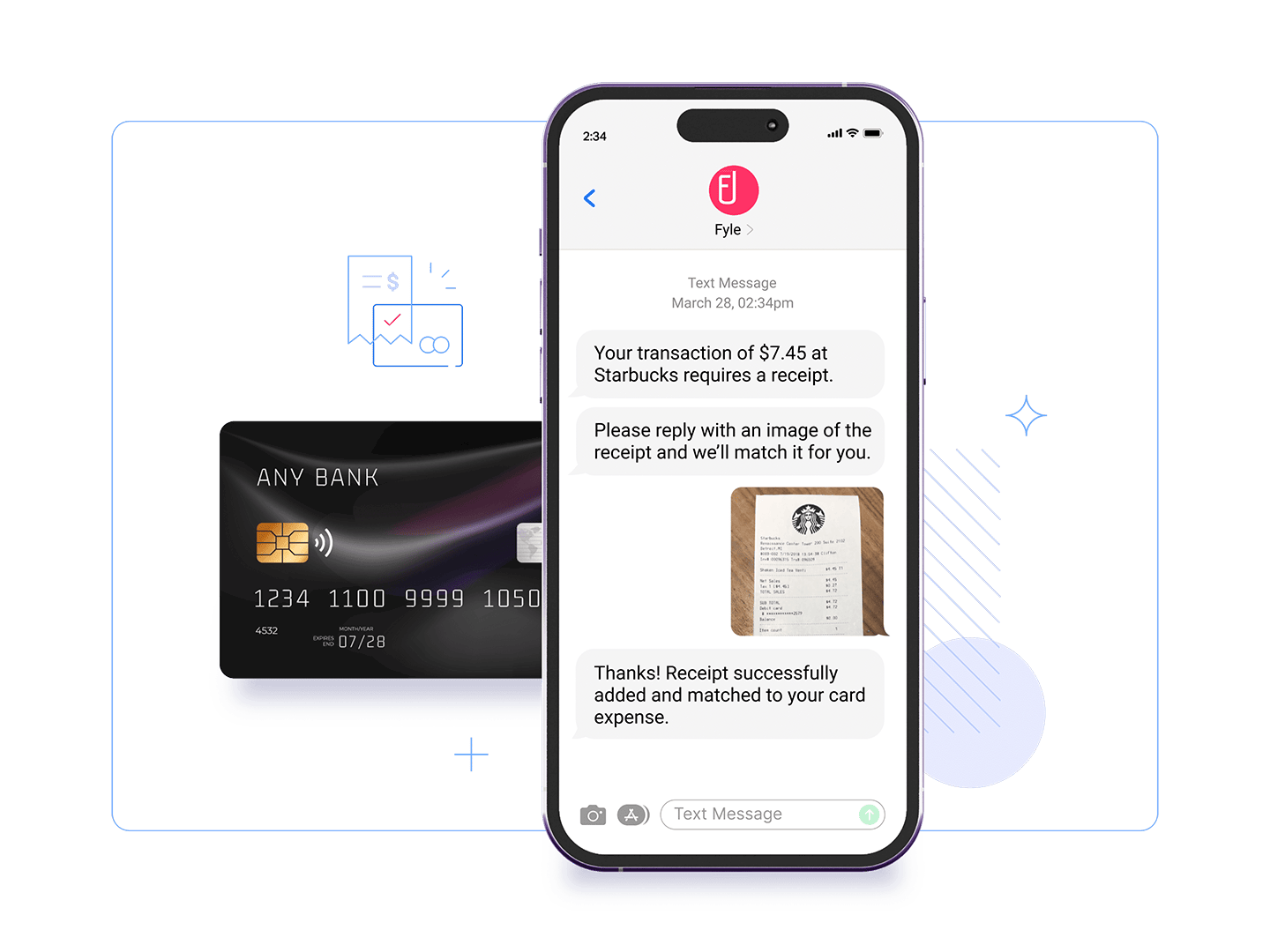
Direct integrations with Visa, Mastercard, and American Express networks push corporate card transactions into Fyle within seconds of the swipe. Employees receive an SMS or email prompting them to attach a receipt; AI OCR extracts vendor, amount, date, and category from the receipt photo. Transaction auto-matches to the card swipe, completing the expense without manual reconciliation.
The card feed coverage matters because most expense tools rely on bank statement imports (CSV uploads, Plaid connections) that lag 1-3 days behind actual card activity. Fyle's network-level integration is real-time.
AI receipt OCR accuracy
Receipt OCR accuracy ranges 85-95% on clear receipts (standard restaurant, gas station, hotel receipts in English) and drops to 70-85% on faded receipts, handwritten amounts, or non-English receipts. The AI also categorizes expenses (meals, travel, lodging, supplies) for accounting code mapping.
For finance teams previously hand-keying receipts into accounting software, OCR-driven extraction saves 5-15 minutes per expense report. At scale (1,000 expense reports per month), that's 80-250 hours of finance team time monthly.
Approval workflows
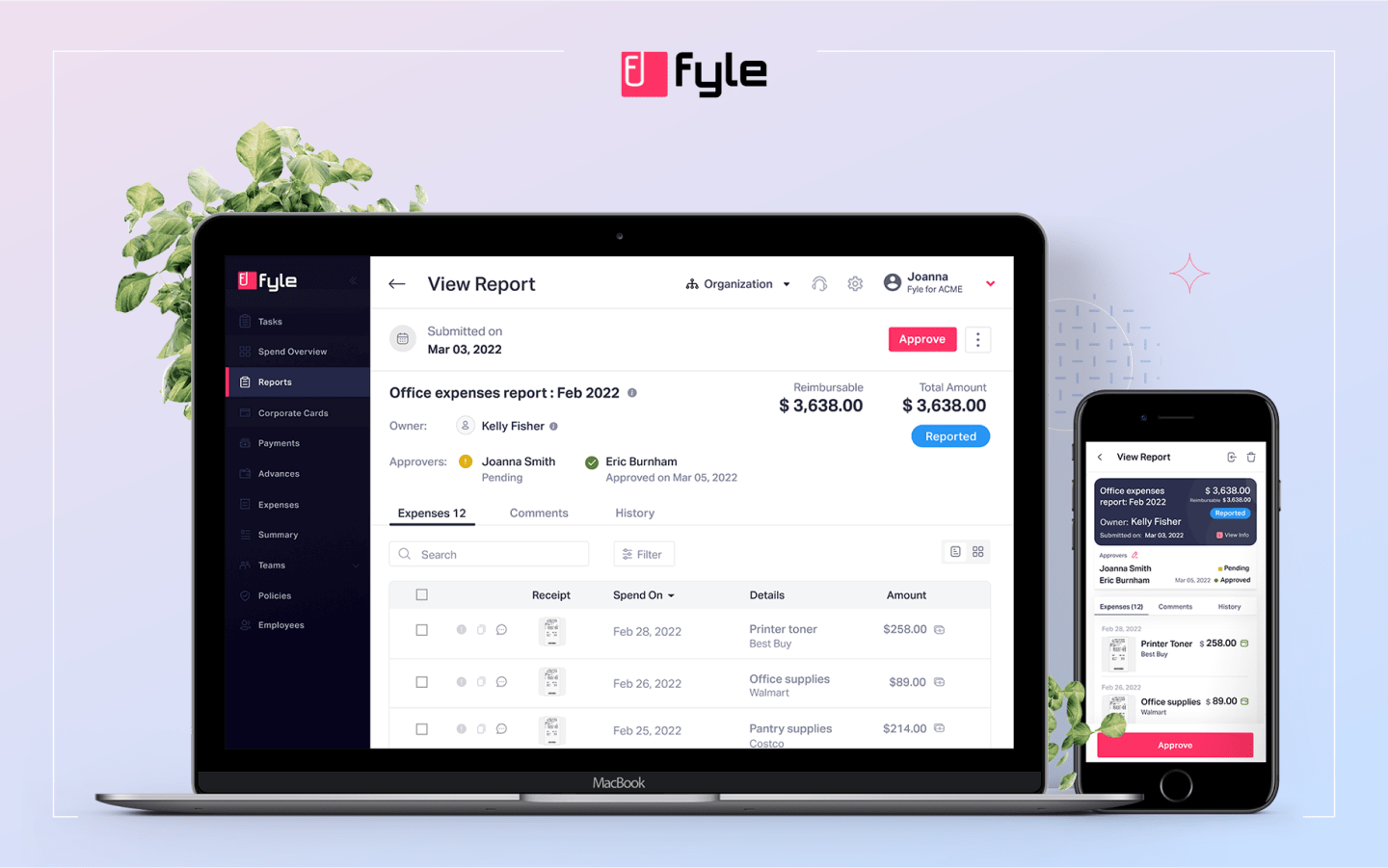
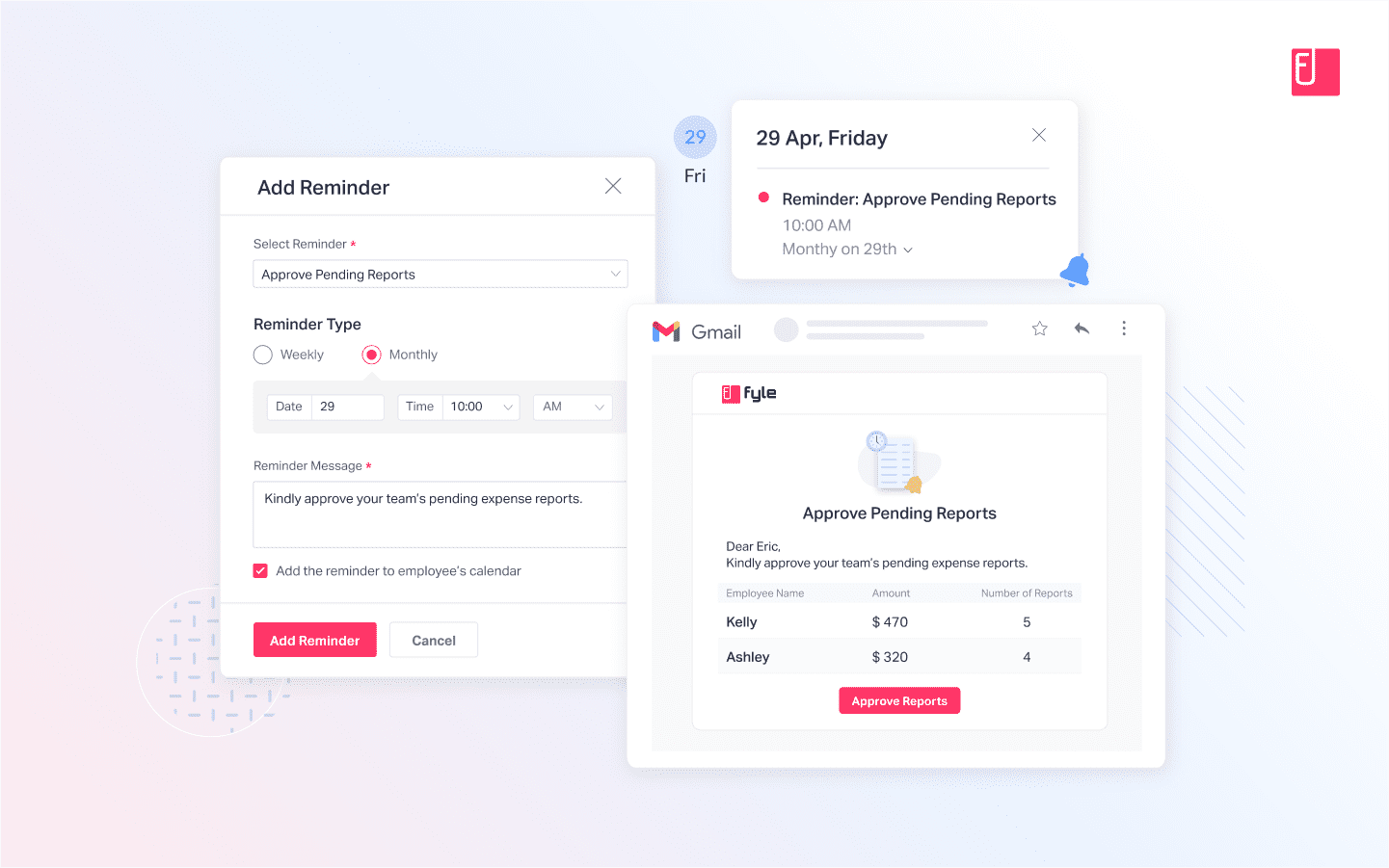
Growth tier includes single-stage approval (employee submits, one approver approves). Business tier opens multi-stage approval (manager approves first, then department head, then finance) and multi-org approval (multi-entity organizations route based on entity ownership). Approval rules support amount thresholds, GL codes, projects, and custom logic.
Mobile approval lets approvers clear expense queues from phone. The approve-or-reject decision plus optional comments take 10-15 seconds per expense versus 30-60 seconds in older expense tools that require navigating multiple screens.
ACH reimbursements US
ACH reimbursements (Business tier and up) push approved expense reimbursements directly to employee bank accounts via ACH. The integration eliminates the manual bill-pay step that finance teams previously handled. Employees receive funds within 1-3 business days of approval.
International reimbursements are not directly supported through Fyle's ACH integration (US-only). For global teams, reimbursements outside the US still route through the customer's existing payroll or AP processes.
Project expense tracking
Project expense tracking (Business tier and up) ties expenses to specific projects, customer accounts, or job codes. For professional services firms, consulting practices, and engineering organizations with project-based revenue, this enables expense-to-project profitability analysis without exporting data to BI tools.
NetSuite Sage Intacct QuickBooks Xero integration
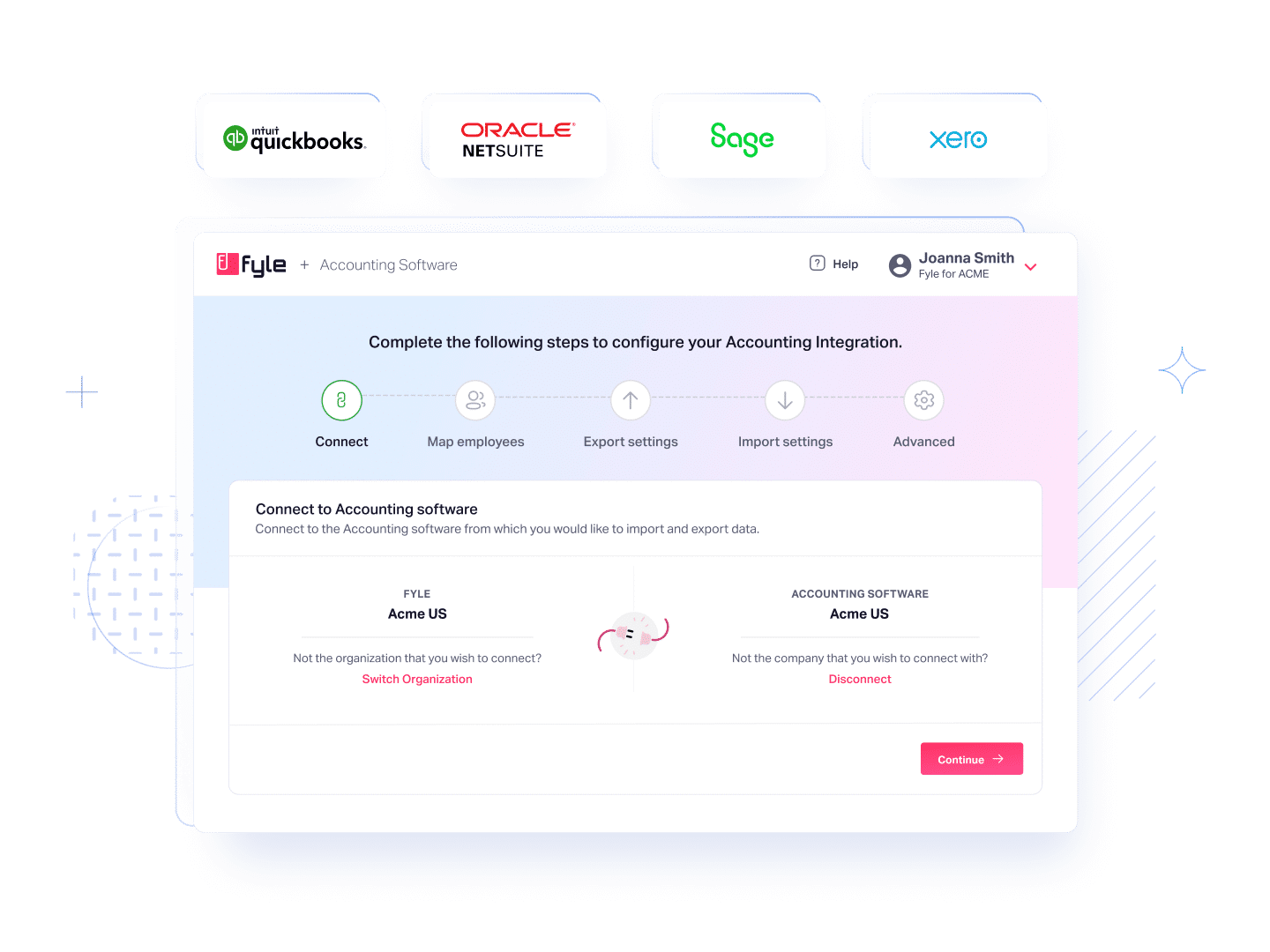
Native two-way integrations cover NetSuite (deepest given Sage ownership now), Sage Intacct, QuickBooks Online, Xero, and Microsoft Dynamics 365 Business Central. Integration syncs vendors, GL codes, projects, classes, departments, and customers from accounting to Fyle, and expenses post back to accounting as bills, journal entries, or both depending on configuration.
The Sage Intacct integration deepens further under Sage ownership, with shared customer success teams and bundled pricing for organizations buying both products together.
What real customers say
From G2 and Reddit r/Accounting discussions, consistent praise: active-user pricing economics, real-time card feed speed, mobile app receipt capture quality, OCR accuracy on standard receipts. Consistent complaints: setup complexity for the corporate card network integration (requires coordination between Fyle, the card-issuing bank, and the customer's controller), Sage acquisition (late 2025) raised concerns about product roadmap, and OCR accuracy drops sharply on international receipts.
One specific recurring observation: finance teams migrating from Concur or Expensify report Fyle's onboarding feels faster but the data migration of historical expense records is harder , Fyle doesn't import historical Concur data well.
Fyle vs Expensify
Expensify is the SMB expense management leader with strong individual user experience and SmartScan receipt OCR. Fyle (Sage Expense Management) has stronger real-time corporate card feeds and active-user pricing. Choose Expensify for SMB with limited corporate card programs and individual-user focus. Choose Fyle for finance-team-led deployments with heavy corporate card usage and Sage or QuickBooks accounting.
Fyle vs SAP Concur
Concur is the enterprise travel-and-expense leader with deep travel booking integration. Fyle is the SMB-and-mid-market expense specialist without travel booking. Choose Concur for enterprise with corporate travel programs. Choose Fyle for SMB-and-mid-market expense-only with active corporate card usage.
Fyle vs Ramp and Brex
Ramp and Brex are spend-management challengers issuing their own corporate cards bundled with expense management at zero subscription cost (monetized via interchange). Fyle is software-only and works with existing corporate card programs. Choose Ramp or Brex when willing to switch corporate card programs. Choose Fyle when keeping existing card relationships (often required by bank agreements or rewards programs).
Fyle vs Emburse Spend (formerly Abacus)
Emburse Spend is the Emburse portfolio expense product with similar SMB-mid-market positioning. Fyle has stronger real-time card feed; Emburse has broader portfolio integration with Emburse Cards. Choose Emburse for organizations standardized on Emburse portfolio. Choose Fyle for Sage Intacct, QuickBooks, or Xero shops.
Common rollout mistakes
The first common Fyle rollout mistake is underestimating corporate card network integration timeline. Connecting a corporate card program to Fyle's real-time feed requires coordination across the card-issuing bank, Fyle, and the customer's controller. Typical timeline 4-8 weeks, sometimes longer for non-standard card programs. Plan for it.
The second common mistake is over-buying tier. Growth at $11.99/active user covers single-stage approval workflows that work for many SMBs. Multi-stage approval (Business tier) is needed for mid-market with department-level controls but adds 25% to per-user cost.
The third common mistake is ignoring active-user definition. Users who don't expense in a month don't count, but users with connected corporate cards and any transaction do count. Finance teams who connect more corporate cards than necessary inflate active-user count and subscription cost.
Implementation timeline
Small team (5-25 active users): 2-3 weeks for account setup, accounting integration, policy configuration, and team training. Mid-market (50-200 active users): 4-8 weeks adding corporate card network integration (the slow step), approval workflow design, project expense setup, and Sage Intacct or NetSuite deep integration. Enterprise (250+): 8-16 weeks with SSO setup, IP whitelisting, branded accounts, and dedicated account manager engagement.
Support and the Sage acquisition
Growth and Business get email and chat support during US business hours. Enterprise adds dedicated account manager with priority response and advisory group access. The Sage acquisition (late 2025) integrated Fyle support into Sage's broader customer success organization, with bundled support for customers also using Sage Intacct.
Worth it?
Fyle (now Sage Expense Management) is the right call for SMB and mid-market finance teams with active corporate card programs, especially Sage Intacct, QuickBooks Online, or Xero shops wanting integrated expense management without switching their card-issuing bank.
Where Fyle wins: real-time corporate card feeds via Visa/Mastercard/Amex network integration, active-user pricing model billing only employees who actually expense, AI receipt OCR with 85-95% accuracy on clear receipts, deep NetSuite Sage Intacct QuickBooks Xero two-way sync, ACH reimbursements bundled on Business tier, multi-org support for multi-entity organizations.
Pricing: Growth $11.99/active user/mo annual (5-user min), Business $14.99/active user/mo annual (10-user min), Enterprise custom for 250+ employee organizations. 50-person company with 30 active users on Growth: $4,316/year. 200-person company with 120 active users on Business: $21,586/year. Active-user model saves meaningful budget vs per-headcount alternatives.
Where Fyle falls short: not for organizations without corporate card programs (Concur and Expensify reimbursement-only are simpler), no travel booking integration (Concur Travel and Navan are heavier-lift fits), international reimbursements not directly supported (US ACH only), Sage acquisition raises some long-term product direction questions, OCR accuracy drops on international receipts.
Worth comparing: Expensify for SMB with individual-user focus, SAP Concur for enterprise travel-and-expense, Ramp and Brex for combined corporate card plus expense at zero subscription, Emburse Spend for Emburse portfolio shops, Emburse Tallie for accounting firm multi-client workflows, Navan for travel-first expense, Mesh Payments for SMB virtual card spend management. Pricing verified on Sage Expense Management pricing page on 2026-06-27.
Frequently Asked Questions
Is there a free plan or free trial for Fyle?
How much does Fyle cost?
What does Fyle integrate with?
Who is Fyle best for?
What are the best alternatives to Fyle?
Is Fyle GDPR / SOC 2 compliant?
Does Fyle have a mobile app?
What do real users say about Fyle?
How does Fyle compare to its top competitor?
Does Fyle offer customer support?
Find Your Perfect Software
See how it can transform your workflow
- Personalized for your needs Tailored recommendations based on your unique requirements.
- Save time & resources Streamline your workflow and boost team productivity.
- Trusted by thousands Join 10,000+ businesses already growing with SaaSrat.
You're all set! 🎉
A specialist for will reach out within 1 business day with tailored recommendations for your needs.